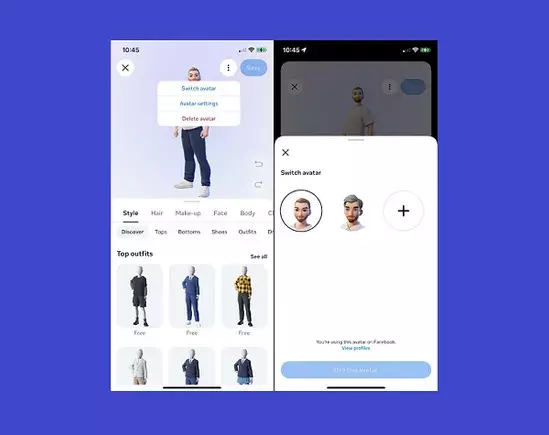
In an era where digital personas are increasingly central to personal and professional interactions, the way we present ourselves online has become more dynamic and customizable than ever before. Traditionally, a profile picture sufficed, but today’s life online demands more nuanced and flexible representations. Meta’s innovative approach to avatars exemplifies this shift, offering users the opportunity to cultivate multiple digital identities that reflect different facets of their personalities and moods. This evolution signals a broader cultural acceptance that the self is multifaceted and that digital platforms should accommodate this complexity, rather than enforce a monolithic image.
Why Multiple Avatars Are More Than Just Fun
Many skeptics might dismiss the ability to create and manage multiple avatars as a superficial feature—something amusing but ultimately trivial. However, beneath the surface, this functionality taps into profound psychological and social needs. For instance, people often wear different “masks” in various environments—professional, casual, creative—and having distinct avatars allows for this diversity to extend into virtual spaces seamlessly. It fosters a sense of agency and personalization, empowering individuals to curate their online presence intentionally. Even if many users haven’t yet maximized this feature’s potential, its existence underscores a future where our digital faces are as versatile as our real-world personalities.
Meta’s Commitment to Creative Freedom and Technological Innovation
Meta’s ongoing enhancement of its avatar tools reveals a clear commitment to giving users unprecedented control over their virtual representations. The platform’s continuous updates, including new body types, poses, and customization options like facial hair, makeup, and accessories, demonstrate a deliberate push towards inclusivity and originality. The incorporation of AI-driven features—such as generative textures, style prompts, and parametric face controls—illustrate a broader trend toward blending creativity with technological sophistication. This marriage of art and AI enables users to craft avatars that are not only visually appealing but also highly personalized, echoing real-world diversity and individual expression.
The Metaverse as the Next Frontier for Avatars
The future of avatars extends beyond static images or profile icons. Meta’s vision for their use in augmented reality (AR), virtual reality (VR), and the metaverse positions these digital characters as integral to immersive experiences. As Meta explores new dimensions of social interaction—shopping, gaming, meetings, or socializing—avatars become more than representations; they are gateways to identity and community within expansive digital worlds. The ability to quickly switch, customize, and experiment with multiple avatars enhances this immersive potential, making virtual environments feel more authentic and personal.
Personalization as a Form of Digital Empowerment
What stands out most about Meta’s avatar platform is its emphasis on personalization. With features allowing custom textures, AI-generated designs, and intricate facial controls, users are encouraged to experiment and redefine their virtual presence continually. This does more than simply entertain; it offers a form of digital empowerment where individuals can craft identities that align more closely with their evolving self-image or creative ambitions. As these tools become more refined, they may encourage people to explore facets of themselves they previously felt unable to express or explore publicly.
Potential Challenges and Cultural Implications
However, this frontier isn’t without challenges. The proliferation of multiple avatars could lead to confusion or even identity fragmentation if not approached thoughtfully. Moreover, in a landscape where digital personas can be highly curated, questions around authenticity and psychological well-being inevitably emerge. Will creating numerous avatars dilute genuine human connection? Or can it serve as a healthy means for self-exploration and expression? While Meta’s tools are designed to enhance user agency, the long-term cultural implications warrant careful reflection, especially as these digital selves become more ingrained in daily life.
The ability to curate multiple avatars is a leap towards a more flexible, inclusive, and creative digital self-representation. Meta’s ongoing innovations indicate a future where our online identities are as diverse and layered as our real lives. This technological progression not only offers new avenues for self-expression but also challenges us to rethink how we connect, communicate, and construct our digital personas responsibly. As we continue to navigate this evolving landscape, one thing remains clear: the digital dimension is no longer a simple extension of ourselves—it is a space for limitless possibilities and authentic self-discovery.
Leave a Reply