
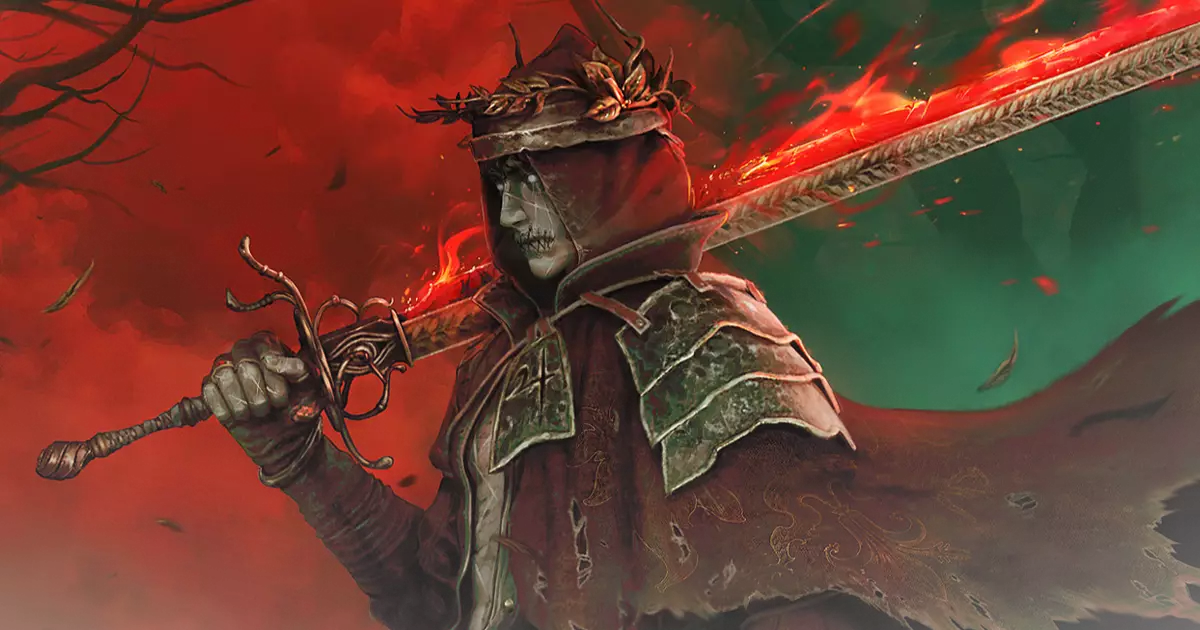
The announcement of Jyamma Games’ new project inspired by Dante Alighieri’s *Divina Commedia* sparks a rare excitement among fans of both literature and action-RPGs. This approach isn’t merely about porting a revered literary masterpiece into a new medium; instead, it boldly reinterprets Dante’s journey through Hell as a dynamic, visceral gaming experience. By integrating elements like combat classes, customizable gear, procedural dungeons, and narrative alignment, Jyamma challenges traditional notions of literary adaptation, transforming *The Divine Comedy* into a living, breathing universe that invites players to participate in its mythos. This audacity demonstrates an understanding that classic texts can be revitalized through contemporary gameplay mechanics, making Dante’s metaphysical voyage accessible and engaging to modern audiences while maintaining its profound symbolism.
Deviating from Stereotypes: Beyond the Hackneyed and the Gory
Historical video game adaptations of Dante’s work have often walked the line between reverence and trivialization, with titles like *Dante’s Inferno* indulging heavily in stylized violence and spectacle, sometimes at the expense of the deeper philosophies embedded in the original poem. Jyamma’s adaptation indicates a conscious effort to steer clear of these clichéd pitfalls. Instead of reducing Dante’s profound metaphysical questions to mere combat sequences or spectacle, their game morphs the Inferno into a mythic exploration of morality and human frailty. The inclusion of narrative systems like player choice and moral alignment implies a desire to mirror the moral complexity of Dante’s hell, which is more illustrative of internal moral struggles than a simple battleground of good versus evil. This nuanced approach signals a move toward a richer, more meaningful gaming experience that respects the intellectual weight of the source material.
Procedural Dungeons and the Spirit of Exploration
One of the most intriguing aspects of Jyamma’s vision is the incorporation of procedurally generated extraction dungeons within the game’s structure. While loot grinding might appear trivial or commercialized to some, framing these sequences within Dante’s infernal circles offers a fresh perspective. Mining hell for resources becomes less about mindless farming and more about navigating the layered, symbolic depths of sin and redemption. It’s a metaphorical journey—each dungeon represents a deeper level of the soul’s descent—adding an extra dimension of storytelling to the gameplay. Such design choices expose the game’s intention to blend mechanics with thematic resonance, making every loot hunt a symbolic descent into personal and collective darkness. However, the challenge remains in balancing gameplay engagement with narrative authenticity; too much procedural randomness risks diluting the philosophical underpinnings.
Literature, Myth, and the Power of Mythology in Gaming
What fundamentally sets this project apart is its ambition to transform Dante’s epic from a poem into a sprawling mythological universe. Unlike previous adaptations that leaned heavily on superficial aesthetics or blockbuster action, Jyamma appears intent on constructing a world where the poem’s themes of righteousness, sin, and divine justice pervade every gameplay element. This is a commendable and risky endeavor—if done right, it can elevate Dante’s work from an outdated literary relic to a contemporary myth that thrives within the interactive space. The concept of the player as a “warrior-poet” caught in a world where *The Divine Comedy* has replaced old faith structures elevates the story from mere entertainment to a provocative engagement with moral philosophy. While the final execution remains to be seen, the narrative premise hints at a bold vision of religion, morality, and storytelling coming together in a digital renaissance.
The Road Ahead: Challenges and Opportunities
Despite the enthusiasm, considerable hurdles remain. Procedural generation, narrative depth, and thematic fidelity must coexist without turning the game into a chaotic jumble of mechanics. The risk of dissonance is real—losing the poetic gravitas in favor of grind or spectacle could undermine the very essence of Dante’s work. However, if Jyamma manages to align these elements successfully, they could craft a title that challenges players to confront their own moral landscape while immersing themselves in a beautifully layered universe. As of now, the absence of a release date leaves much to speculate, but the potential impact of such a project can’t be understated. It could mark a pivotal shift in how literary and philosophical works are adapted into interactive media—transforming static texts into living worlds where players not only explore but also reflect upon the profound questions of human existence.
This game could ultimately become a philosophical mirror, challenging players not just to survive Dante’s infernal circles but to question their own sins and virtues—a true achievement in the evolving art of narrative-driven gaming.
Leave a Reply