
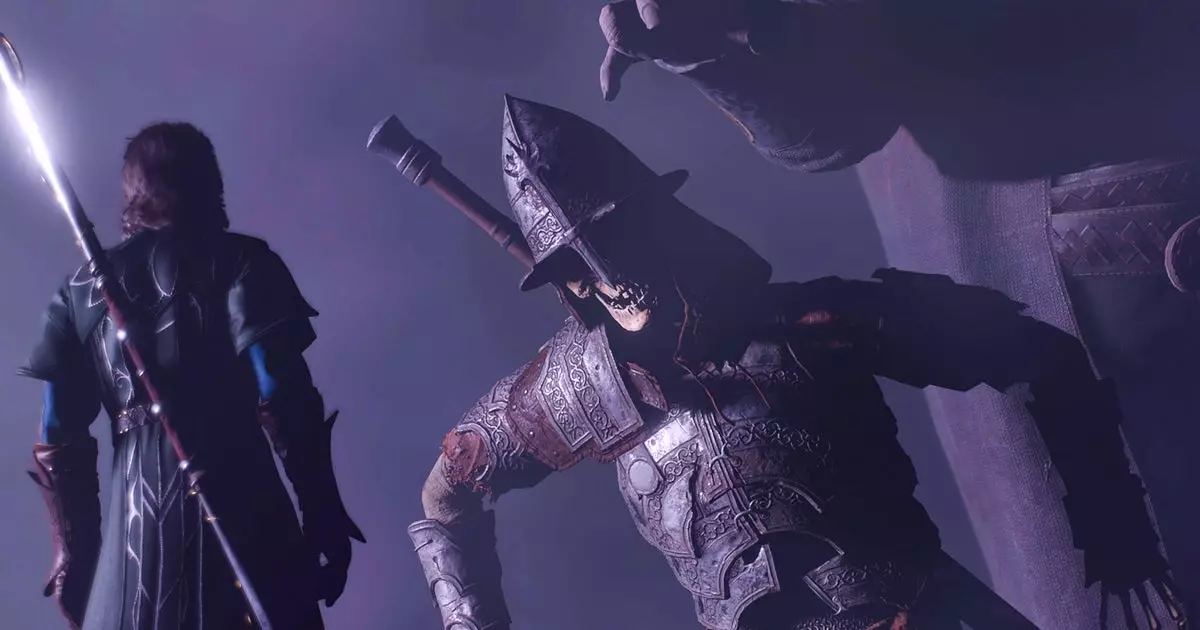
Recently, the gaming community was taken by storm when tantalizing snippets of a canceled Dungeons & Dragons RPG emerged from the shadows. Developed by Hidden Path Entertainment—known for its work on Counter-Strike: Global Offensive—this intriguing project, codenamed Project Dante, promised a rich fantasy experience that never came to fruition. As the dust settles on this revealing glimpse, it becomes clear that this was more than just a game; it was a reflection of artistic ambition within a landscape filled with uncertainties.
The footage, augmented by captivating concept art, establishes an environment ripe with familiar motifs that resonate deeply with fans of the fantasy genre. Despite its cancellation and the apparent pause in development, the brief window into Project Dante evokes a sense of nostalgia for what might have been, enhancing the palpable sense of loss within the RPG community.
The Wizarding Struggles of Wizards of the Coast
Recent years have seen Wizards of the Coast grapple with various challenges, especially following the overwhelming success of the Baldur’s Gate franchise after its publication by Larian Studios. The unexpected pressures likely contributed to canceled projects like Hidden Path’s RPG, leaving many to wonder about the company’s direction. The tension surrounding the fluctuating state of their titles shows a developmental crossroads that might be pushing them toward an uncertain future.
With Hidden Path’s Creative Director, Michael Austin, describing the difficult decision to “pause development” and the reduction of their team size—which led to a staggering 44 layoffs—it’s vital to recognize the human impact that such corporate decisions can have. The games industry is often touted for its creativity, but behind the glamor lies the harsh reality of financial constraints and artistic risks—a truth that Hidden Path’s experience starkly illustrates.
An Adventure Cut Short: What We Can Gather
While the small snippets of gameplay provide interesting insight into the game’s mechanics, they also highlight a traditional fantasy RPG format that is becoming somewhat ubiquitous in modern gaming. The footage showcases a party of three adventurers indulging in classic combat sequences and environmental puzzles reminiscent of flagship titles like the Dragon Age series. However, the specifics needed to create something revolutionary seem to be absent, raising questions about the originality of the concept.
Among the brief snippets, the interactions between characters and humorous dialogue, such as the endearing yet lackluster quip about “stuff doing a thing,” sparks both amusement and concern. One cannot help but ponder if this level of humor would have significantly contributed to the game’s identity. Despite its lightheartedness, such dialogue can easily be dismissed as cringeworthy in a landscape filled with richer storytelling elements. This raises the pressing issue of whether comedic elements can be balanced without undermining the narrative depth.
Visual Creativity: The Allure of Concept Art
Amongst the surplus of visuals released, one particular piece stands out: a stunning illustration of a Tressym, a fantastical creature that many D&D enthusiasts already adore. This enchanting portrayal not only stirs excitement but also serves as a stark reminder of the intricate world-building that can capture the imaginations of players. The significance of such visuals in the development of an RPG cannot be overstated; they act as not only marketing tools but also an essential element in establishing the emotional tone of the game.
Concept art plays a vital role in helping players envision the expansive worlds they will traverse. The allure of the Tressym emphasizes how small touches, when executed well, can have a tremendous impact on audience engagement. Character design and distinct aesthetic choices can ignite enthusiasm and spark conversations long before a game’s release—a potential that remains unfulfilled as Project Dante fades into obscurity.
The Dream That Could Have Been
The question remains: what could have been achieved if Project Dante had traversed the path to completion? Audiences crave innovation, yet the snippets reveal a project anchored in tropes rather than pioneering fresh experiences. A shared desire lingers among fans, suggesting that perhaps a balance could have emerged between embracing the familiar while courageously steering the wheel toward uncharted territories.
Hidden Path Entertainment’s ambition seemed real, and their artistry emanated potential. It’s a lament not only for the lost game but for the unfulfilled aspirations of developers and fans alike, all yearning to indulge in a uniquely crafted Dungeons & Dragons RPG. The aspirational flame may flicker, but the echoes of Project Dante remind us of the boundless creativity that lingers in our game development dreams.
Leave a Reply