
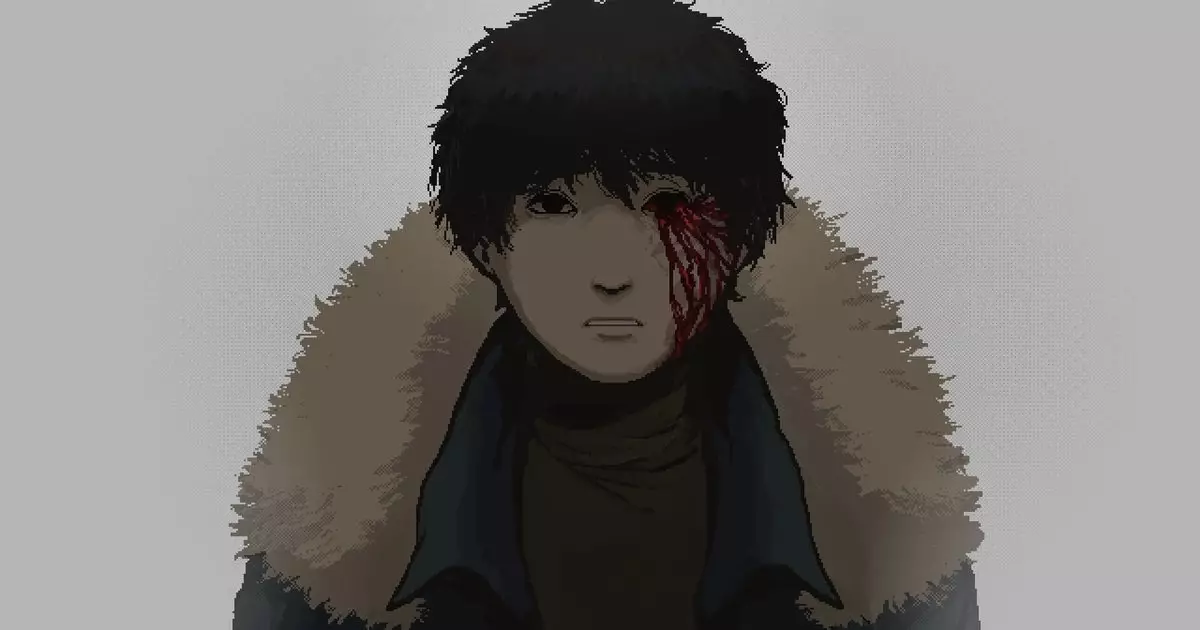
In the vast universe of role-playing games (RPGs), the bonds forged between players and characters often lie at the heart of the experience. Titles like the Persona series exemplify this, creating deep connections through richly developed interactions and storylines. However, these encounters typically involve one-dimensional relationships where the player’s influence on the character remains mostly one-sided. Enter Downhill, an innovative indie RPG that promises to shatter this mold by placing the player in a uniquely introspective role. Unlike traditional RPGs, Downhill features a protagonist who is fully aware of the player’s control over her, inviting an engaging dialogue that not only progresses the narrative but also challenges the player’s intentions.
At the crux of Downhill’s appeal is a thought-provoking premise: what happens when the character you are controlling possesses her own will? This concept, as illuminated by Sisterhood Games on their Kickstarter page, addresses the often-ignored power dynamics inherent within gaming. The game’s protagonist, Fade, evolves beyond a mere pawn in the player’s adventure; she becomes a character with motivations, feelings, and frustrations that rebel against the player’s predetermined path. The player is not just a controller of action; they are thrust into a partnership defined by emotional complexity and moral ambiguity.
The Fourth Wall: A Double-Edged Sword
Breaking the fourth wall is a device familiar to the gaming landscape, with titles like Undertale and OneShot paving the way for interactive storytelling that acknowledges the player’s presence. However, Downhill innovates on this concept by allowing for direct dialogue between the player and Fade, creating a multifaceted relationship that is both exhilarating and unsettling. The choices made here are not simply about tactics or strategies but about emotional investment and ethical responsibility.
In a world littered with conventional storytelling mechanisms, Downhill’s approach starkly contrasts the mundane. Players engage with Fade in real-time, with dialogue options ranging from benign inquiries about her well-being to imposing commands that may brutalize her spirit. This flux embodies a critical question: Are decisions made in games devoid of real impact, merely mechanical in nature, or can they, like in Downhill, resonate on a deeper emotional level? Through this innovative interface, players are encouraged to introspectively evaluate their choices and the consequences woven into the game’s fabric.
Aesthetic and Atmosphere: The Enveloping Dread
Beyond its groundbreaking narrative mechanics, Downhill captivates with its dark fantasy aesthetic that beautifully complements its themes. The game is steeped in a haunting atmosphere, filled with enigmatic creatures and shadowy landscapes that evoke a sense of foreboding. This rich visual design does more than just create an engaging backdrop; it deepens the impact of each interaction. The eerie art style serves as a constant reminder of the mental and emotional toll that the player’s actions take on Fade, grounding the surreal elements of the gameplay in a visceral reality.
As players navigate this foreboding world, the consequences of their choices manifest not only through gameplay mechanics but also through Fade’s emotional state. The ability to revive her, albeit at a psychological cost, mirrors the thematic exploration of sacrifice and suffering. Players must grapple with the moral implications of their actions—does supporting Fade come at the expense of her mental well-being? This tension adds another layer of depth to the game, encouraging players to ponder the ramifications of having such power over a sentient character.
The Importance of Community Support
With Downhill currently seeking funding on Kickstarter, it represents not just a game in development but a movement toward more profound storytelling in the RPG genre. It’s an invitation to enthusiasts to support a project that challenges the status quo while encouraging meaningful exploration of player agency and emotional resonance. For those hesitant to commit, the availability of a demo allows prospective players to sample this unique experience without fully diving into the financial commitment.
Ultimately, Downhill’s potential lies in its ambitious approach to the player-character relationship, with emotional stakes that resonate far beyond the screen. By merging introspection with traditional RPG frameworks, it invites a new era where gaming can provoke thought and elicit genuine emotional responses, making it a must-watch for those who seek more than mere entertainment from their gaming experiences. As we explore this dynamic, we find ourselves not just as players but as pivotal figures in a narrative larger than ourselves.
Leave a Reply