
In an era where gaming is often driven by cutting-edge graphics and complex mechanics, the resurgence of classic titles like Tony Hawk’s Pro Skater 3 and 4 signifies something much deeper. These games symbolize the golden age of skateboarding culture fused seamlessly with arcade gameplay, creating an experience that resonates across generations. The recent release of Tony Hawk’s Pro Skater 3+4, coupled with early access advantages, has sparked an unprecedented wave of community engagement, showcasing how nostalgia can be transformed into innovative creative expression. Instead of merely reliving memories, players are now reimagining them, injecting humor, absurdity, and personal flair into familiar worlds.
This phenomenon epitomizes how modern gamers are not just passive consumers but active participants in reshaping their favorite titles. The scene extends beyond simple gameplay; it embodies an artistic dialogue between developers and fans, producing a dynamic ecosystem of modders and enthusiasts. Such revival underscores the enduring appeal of the franchise — not merely due to its gameplay mechanics but because it serves as a blank canvas for limitless creativity rooted in collective nostalgia.
The Notorious Modding Community and Its Artistic Ingenuity
One of the most striking features of the recent release is the vigorous activity on Nexus Mods, led by visionary creators like Huckleberrypie. Their contribution— an extensive array of character skins— exemplifies how dedicated modders breathe new life into classic titles. From cartoonish interpretations like Terry Honk dressed as Barbie to iconic characters like Tommy Angelo from Mafia or even Elsa from Frozen, they demonstrate an impressive range of imagination and technical prowess. These swaps aren’t mere cosmetic changes; they challenge perceptions, inviting players to see the game’s environment through diverse lenses and cultural references.
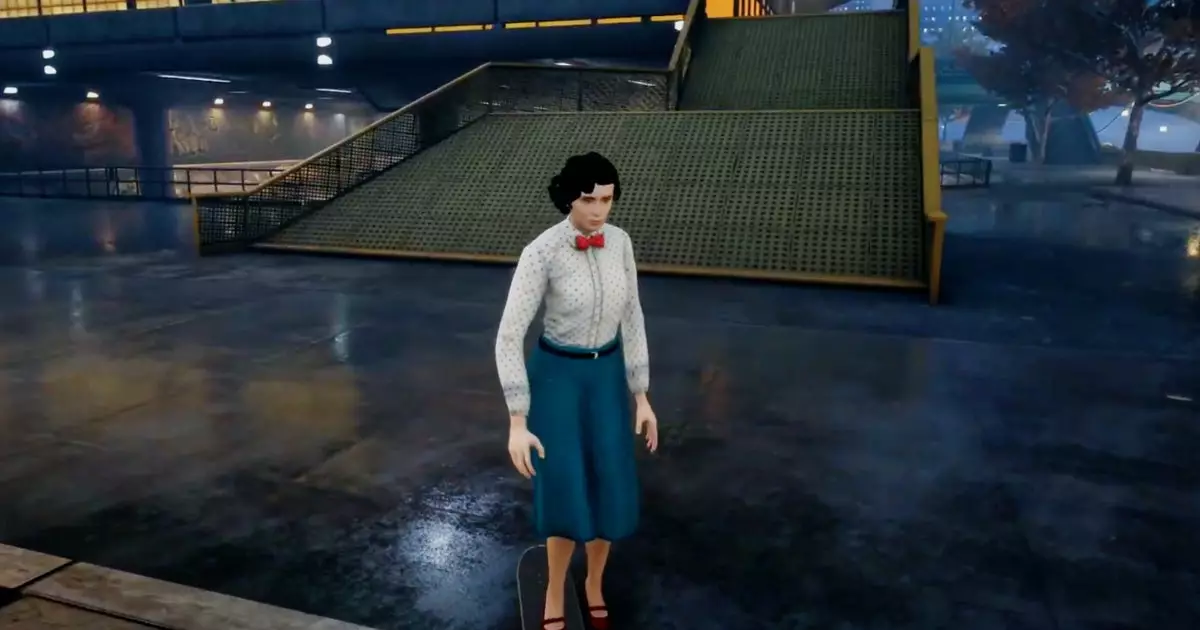
Particularly captivating is the creative storytelling embedded within these mods. Huckleberrypie’s Mary Poppins, for example, isn’t just a parody but a narrative extension that injects humor and depth into a licensed character. Portrayed as a skateboarder navigating post-depression hardships, Mary Poppins’ reimagining as a skater and rock musician exemplifies how fan creativity can blend narrative parody with personal interpretation. Such mods do more than entertain—they foster a sense of community and shared storytelling that elevates the gaming experience to an art form.
This creative energy highlights a broader shift within the gaming landscape: modders are no longer peripheral hobbyists but integral artists shaping the future of interactive entertainment. Their work transcends technical modifications; it reflects a desire to personalize, critique, and celebrate beloved franchises, forging a collaborative space where fans become co-creators.
The Cultural Significance of Memes, Parody, and Surrealism in Gaming
The recent modding frenzy also exemplifies the vital role of humor, absurdity, and surrealism in contemporary gaming culture. The inclusion of quirky characters like Master Chief riding a mini-tank or Mary Poppins tearing up a skatepark transforms the game from a straightforward sports simulation into a playground for satire and parody. These modifications are not merely for laughs; they serve as cultural commentary, blurring the boundaries between fandom and social critique.
Perhaps most fascinating is how these alterations challenge traditional notions of authenticity. When Mary Poppins “hits a 900,” it sparks a humorous debate about the limits of fictional characters and the chaos of digital imagination. If a fictional nanny can become a skateboarding superstar, what does that say about our relationship with reality and fantasy? This playful fusion of pop culture icons, meme culture, and gaming not only heightens entertainment but also invites players to think critically about the nature of storytelling and identity in the digital age.
Moreover, these mods exemplify the democratization of creativity. The barrier to entry is significantly lowered, empowering anyone with a computer to contribute to a collective narrative. This participatory culture fuels innovation and keeps the gaming ecosystem vibrant, dynamic, and unpredictable. It’s a bold testament to how video games evolved from passive entertainment to interactive art forms that reflect our society’s humor, values, and dreams.
The ongoing modding revolution within Tony Hawk’s Pro Skater 3+4 underscores a vital truth: gaming is far more than a solitary hobby. It’s an expansive, collaborative canvas where nostalgia, humor, creativity, and social commentary intertwine. Modders like Huckleberrypie exemplify how communities of passionate fans can redefine a game’s identity, pushing boundaries and transforming familiar worlds into eclectic expressions of individual and collective identity.
As this scene continues to grow, it becomes increasingly clear that the future of gaming belongs to those willing to challenge conventions and forge new paths. Mods serve as digital protestations, artistic experiments, and heartfelt tributes—all wrapped into one. They remind us that the most profound innovations often arise from the willingness to defy expectations, embrace absurdity, and celebrate the transformative power of imagination.
Leave a Reply