
The contemporary challenges of wildfire management warrant a fast-paced, technology-driven approach. With the increasing frequency and intensity of wildfires globally, the urgency to make swift decisions has never been greater. Dr. Collins emphasizes that in the context of fire, “times are compressed,” necessitating immediate action informed by the latest technological advances. The integration of advanced tools and data analytics can potentially turn the tide in combatting the devastating effects of wildfires. However, this shift does not come without its complications, particularly in ensuring the timely dissemination of critical data to those on the front lines.
Data Is Power: Ensuring Accessibility and Usability
At the heart of the improvement in firefighting tactics lies access to robust and accurate data. Krystal Azelton from the Secure World Foundation highlights the dual nature of emerging technologies such as satellites and artificial intelligence. While these tools hold the promise of delivering superior data, the challenge lies in the practicalities of ensuring that this information reaches the end-users. For those in the trenches of firefighting, it isn’t just about the technology available; it’s about effectively bridging the gap between data production and actionable intelligence. The astute concern here is: how can technology operate smoothly to empower those who need it the most while under the pressure of an escalating disaster?
Collaborative Solutions: Firefighting Agencies and Data Integration
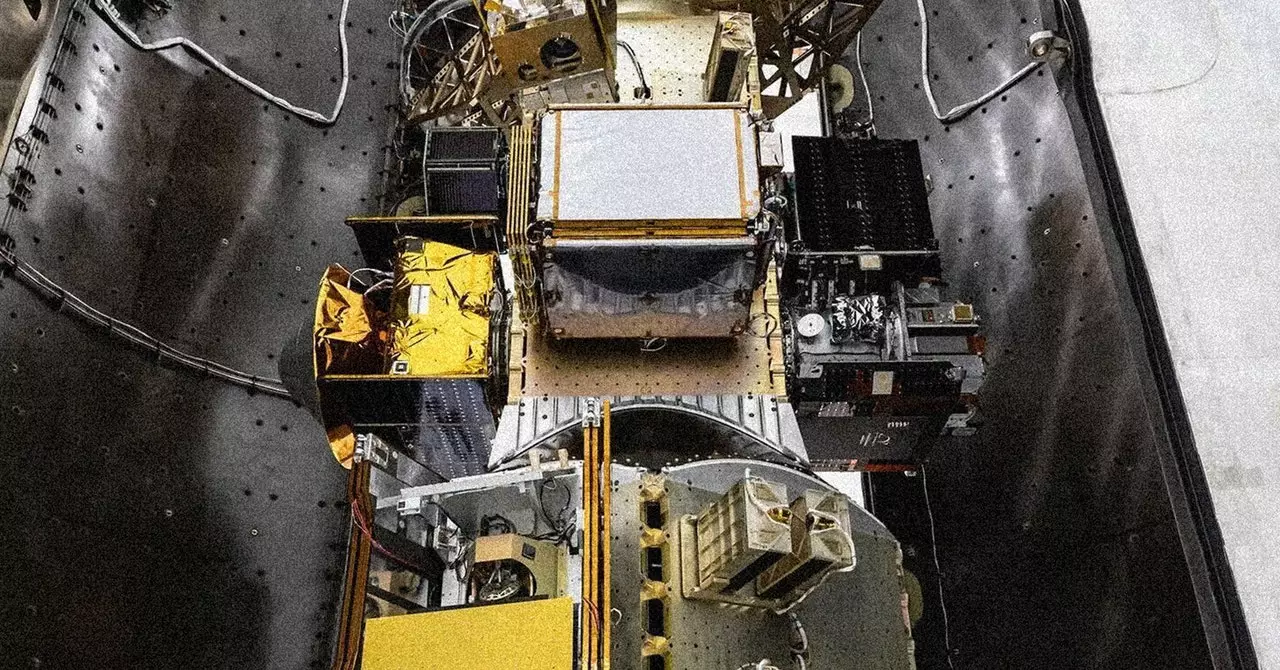
The initiative from the Fire Sat team reflects a laudable objective – to enhance the accessibility of tracking data for firefighting agencies actively battling blazes. Van Arsdale’s insight into the “fog of war” experienced during such incidents illustrates the profound uncertainty that often clouds firefighting responses. By providing a comprehensive overview of fire activity, the initiative aspires to bring clarity to chaotic situations. However, what truly matters is whether this approach enhances the efficacy of firefighting efforts or merely adds another layer of complexity in an already strained environment.
The Fire Sat technology, while innovative, must be weighed against established fire monitoring systems, such as those operated by AlertWildfire, which have demonstrated their merit by promptly identifying fires across numerous states. The competition between different technology solutions raises questions about the operational efficiency and reliability of these systems. Is the promise of technological advancement really worth pursuing if it doesn’t significantly shorten response times during critical moments?
Information Overload: Analyzing Results Amidst the Chaos
One of the dilemmas presented by advanced technology in firefighting is the risk of information overload. Daniel Swain, a noted climate scientist, poignantly remarks that while immediate data about fire location is crucial, it does not address the fundamental challenges faced by firefighting efforts. Understanding where a fire is starting is only half the battle – the ability to act on that knowledge in a timely manner remains paramount. It begs the question: does more data equate to more effective action, or could it potentially hinder decision-making in an already chaotic environment?
Evidence suggests that despite our best technological innovations, extreme and unpredictable conditions often render faster detection systems less impactful than desired. As we navigate the landscape of wildfire management, we must confront the uncomfortable truth: technology alone cannot surmount the complex realities of nature and human limitations.
Investment in Innovation: Navigating the Commercial Landscape
As the threats from wildfires become increasingly dire, there is a noticeable uptick in investment by private entities seeking to develop innovative solutions. There is both promise and peril in this realm, as optimism and entrepreneurial spirit collide with the very real consequences of seeking profit amid a crisis. The development of tech-based solutions for wildfire fighting is an area ripe with opportunity, but also fraught with ethical considerations concerning the commodification of public safety.
Navigating this landscape will require not only collaboration between tech developers and firefighting entities but also a commitment to prioritizing the greater good over modernization for profit’s sake. The challenge will be ensuring that the heart of these innovations remains focused on delivering safety and environmental resilience rather than merely enriching stakeholders. As we stand on the cusp of significant technological advancement, our focus must remain on integrating these solutions into a cohesive strategy that truly serves the needs of those on the front lines of wildfire combat.
Leave a Reply