
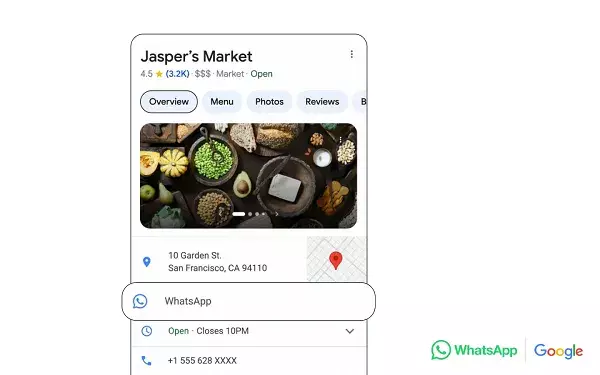
In today’s fast-paced digital landscape, consumer expectations for immediate and seamless communication are no longer optional—they are fundamental. Meta’s latest initiatives signal a watershed moment in business messaging, emphasizing not only increased accessibility but also enhanced personalization opportunities. The company’s focus on integrating WhatsApp more deeply into Google’s ecosystem, alongside refining its messaging tools, showcases a strategic shift toward making customer engagement more intuitive, swift, and data-informed. For modern businesses, this is a clarion call to rethink communication strategies, emphasizing the need for versatile, cross-platform messaging that feels natural and frictionless to customers.
This evolution underscores a core insight: the future of customer communication isn’t solely about having a presence on multiple channels but about creating a coherent, unified experience. When customers can transition from a Google search directly into a WhatsApp conversation without switching apps—native, simple, and fast—it reduces barriers to engagement. It isn’t just a convenience; it’s a strategic advantage. Companies that fail to adapt to this integrated approach risk falling behind in a marketplace craving instant gratification and meaningful interactions.
Empowering Businesses with Tools to Accelerate Conversions
Meta’s introduction of new features extends beyond mere convenience; it fundamentally equips businesses with tools to convert engagement into tangible outcomes. The expansion of outcome-focused advertising options, such as click-to-message ads with purchase and lead optimization, exemplifies this. By enabling ads to target specific actions—whether it’s a sale, a lead, or a subscription—companies can now align marketing efforts with precise business objectives, maximizing return on investment.
Moreover, the introduction of value optimization ensures that advertising dollars are allocated efficiently, focusing on users most likely to convert. This proactive, data-driven approach marks a shift from traditional passive engagement to a results-oriented paradigm. Businesses must recognize that messaging isn’t just a communication channel; it’s a direct pipeline for revenue and growth. As these features mature, adopting a customer-centric strategy that leverages intelligent automation and outcome-driven advertising will be vital for those aiming to stay ahead of the competition.
Next-Generation Features That Redefine Customer Experience
Meta’s strategic investments into WhatsApp and Messenger go beyond basic messaging—they represent a move towards creating more intelligent, interactive, and personalized customer journeys. The ability to embed WhatsApp directly into Google profiles makes it easier for potential customers to reach out, while new features such as link opening within WhatsApp streamline the interaction process. The potential to incorporate order tracking from e-commerce platforms like Shopify and WooCommerce signifies a shift toward end-to-end service automation.
The updates in Messenger, particularly around call management and AI-powered summaries, reflect an understanding that effective communication involves not just message exchanges but also context and clarity. Call transcription and AI summaries can serve as invaluable tools for customer service, enabling businesses to optimize their conversations and better understand customer needs. These enhancements emphasize the importance of not just communicating but capturing and analyzing interactions to enhance future engagement.
The Future of Business Messaging: A Critical Perspective
Despite the exciting advancements, a healthy dose of skepticism is essential. The proliferation of messaging options and API integrations risks diluting strategic focus. Businesses might fall into the trap of adopting new features simply because they are available, rather than aligning them with clear customer service or revenue goals. Over-automation without genuine human touch can lead to interactions feeling impersonal, eroding trust rather than enhancing it.
Furthermore, the increasing complexity of managing multiple messaging channels raises questions about operational scalability and data privacy. While Meta’s API improvements promise more robust tools, organizations must remain vigilant about maintaining control over customer data and ensuring compliance with evolving privacy standards. Technology adoption should be deliberate, prioritizing quality of communication over sheer volume, for only then can messaging truly serve as a strategic tool rather than just a reactive necessity.
In essence, Meta’s latest messaging innovations present a potent opportunity—if approached thoughtfully. The companies that succeed will be those that see these tools not as shiny new features but as integral parts of a customer experience strategy built on seamlessness, personalization, and trust. Without careful planning and critical evaluation, however, these advancements risk becoming noise—an overhyped claim overshadowing the fundamental need for genuine, value-driven customer engagement.
Leave a Reply