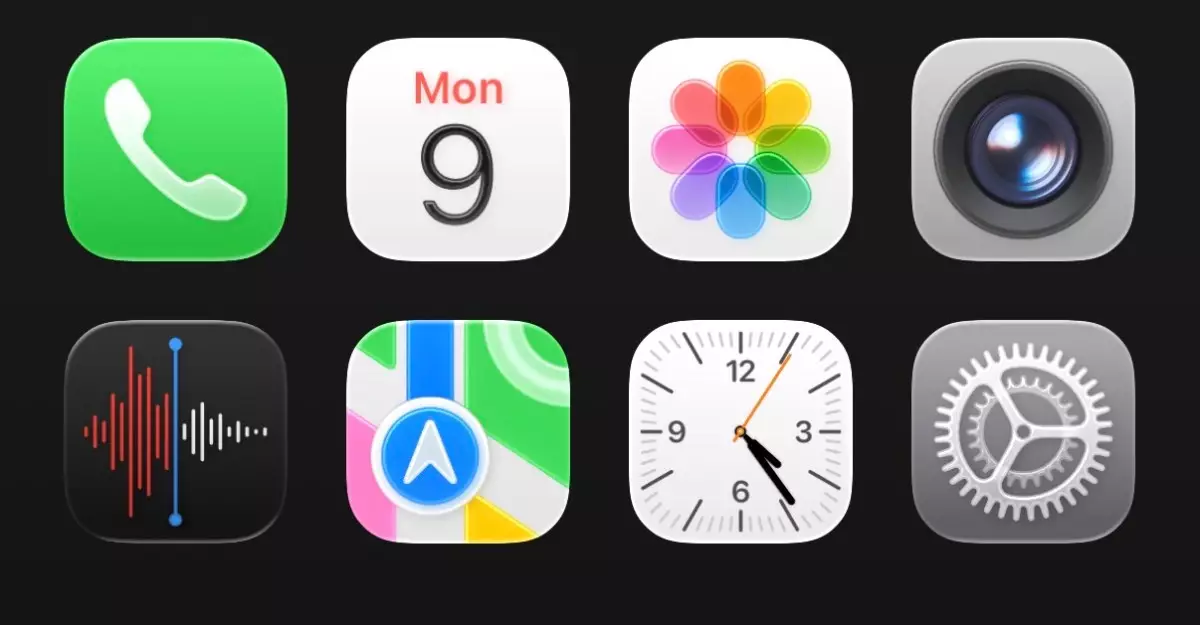
The evolution of user interfaces in the realm of technology is often met with a mix of excitement and skepticism. Apple’s introduction of the Liquid Glass design language marks a remarkable departure from its previous aesthetic choices, a shift that has sparked both intrigue and concern among users and tech enthusiasts. Unveiled at the World Wide Developers Conference (WWDC) 2025, this new UI approach brings a glossy and translucent feel to app icons, tab bars, and various interface elements. While the innovation showcases Apple’s relentless pursuit of elegance, it also raises questions about usability and practicality in everyday interactions.
A Closer Look at the Liquid Glass Effect
At its core, Liquid Glass attempts to create a more immersive experience by blending digital elements with the device’s background. This ‘floating’ effect allows backgrounds, such as wallpapers and text, to subtly peek through, providing an artistic flair that is visually stunning. However, this glassy aesthetic often leaves the interface feeling cluttered and overwhelming, especially for those accustomed to a more minimalist approach.
The initial impression of this design transition can be jarring. For example, upon using an iPhone with the developer beta of iOS 26, the dramatic transparency and the shiny new elements hit hard. Even within a carefully curated grayscale interface, the differences are glaring. The stark contrasts brought about by Liquid Glass can initially feel like a visual overload, drawing users away from the smooth and fluid interactions they’ve come to expect from Apple.
Challenges and Considerations in Usability
One of the most pressing challenges with Liquid Glass is its impact on readability and navigation. Taking the Control Center as a specific case, the transparency muddles clarity, making it difficult to glean information at a glance. Users find themselves squinting at options that are now visually obscured, leading to potential frustration in high-use areas of the operating system. Apple has an uphill battle here; striking the right balance between aesthetic innovation and functional clarity is crucial in ensuring that the experience remains user-friendly.
Moreover, the ramifications of these changes extend beyond aesthetics alone. For instance, the updated keyboard’s design may look sleek, but its usability during typing is what truly matters. Small but significant alterations—like the roundness of buttons—might seem inconsequential, but they can hinder efficiency, especially for power users who rely on quick access and seamless interaction with their devices.
The Art of Iteration: Room for Improvement
What stands out about Apple is its history of adaptability through user feedback and developmental iterations. Early reactions to Liquid Glass may be mixed, but the company’s commitment to refinement suggests that initial flaws can be mended. Minor tweaks to spacing and opacity, as mentioned by early testers, could significantly enhance the user experience. These adjustments are essential, especially as developers prepare for the official rollout of iOS 26 later this fall.
In this context, it is refreshing to see the design community openly engage with these technological changes, expressing both excitement and constructive criticism. Apple’s approach has always centered on premium design, but premium doesn’t mean perfect. Perhaps the beauty of Liquid Glass lies not solely in its initial reveal but in the transformative journey it will undergo following user interactions and feedback.
The Future of the Apple Ecosystem
Anticipation is high as Apple continues to push the boundaries of digital interactions. Though Liquid Glass may evoke a mixed bag of reactions, it undeniably represents a significant milestone in user interface design. Apple’s willingness to innovate and challenge conventional norms will likely set the stage for future advancements in technology. Users may initially grapple with this new aesthetic, but as they adapt, they could unlock deeper layers of interaction within their devices—potentially paving the way for an even more seamless, integrated digital ecosystem.
With innovation comes complexity, and the transition that Liquid Glass introduces is a testament to technology’s fluid nature. As users navigate these changes, they might find that while some elements may need polishing, the essence of innovation is rooted in the idea of evolution—perpetually moving forward.
Leave a Reply