
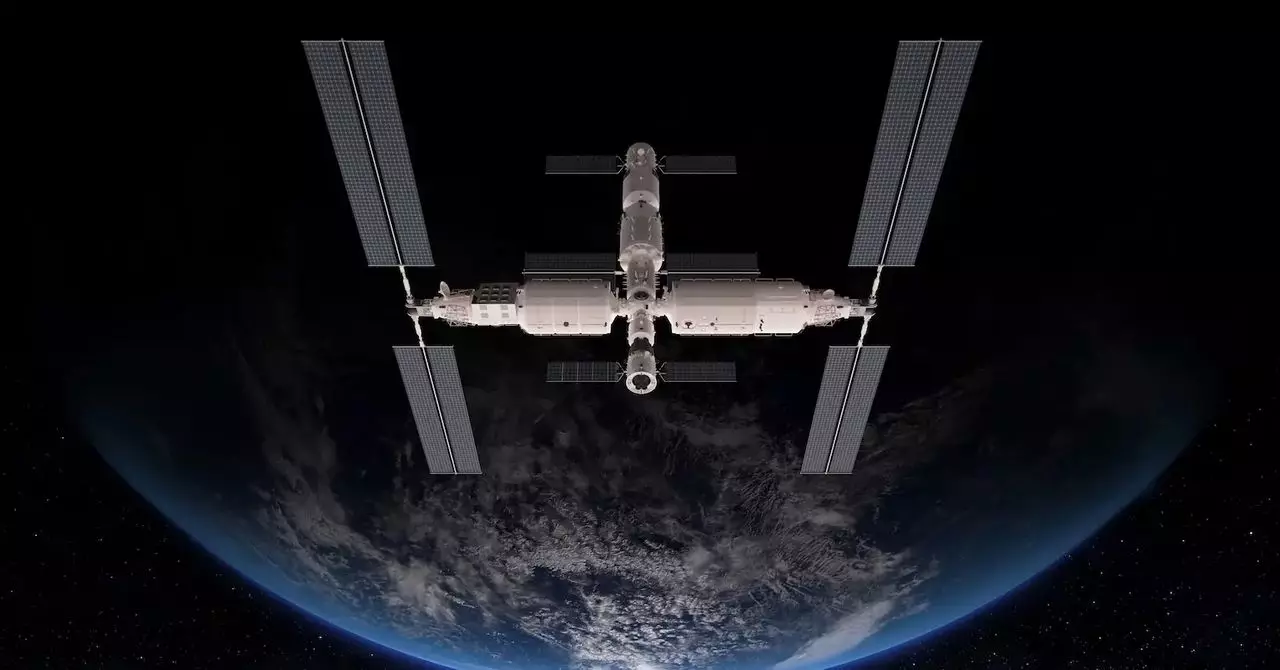
The current landscape of data storage is firmly rooted in terrestrial infrastructure, leveraging vast expanses of land, abundant power supplies, and well-established logistical networks. However, this system is reaching its limits amidst escalating demand for data processing and storage, prompting innovators to dream bigger—literally. The concept of space-based data centers presents an intriguing alternative, but it is riddled with significant technical, economic, and regulatory hurdles. Critical examination reveals that while the idea sparks excitement and speculation, the path from concept to reality remains fraught with formidable challenges that cannot be ignored.
Firstly, the technological feasibility of orbiting data centers is questionable given the harsh environment of space. Processing speeds, as currently envisioned, would be markedly slower than their Earth-bound counterparts. The proximity to radiation belts and cosmic radiation poses a serious threat to delicate electronic components, accelerating obsolescence and complicating repairs. Unlike ground-based facilities, which can be efficiently maintained and upgraded, space-based systems require complex, costly intervention—perhaps through robotic missions or future human spaceflight—parameters that are still largely theoretical.
Furthermore, the issue of durability looms large. Space systems must endure extreme temperature fluctuations, micro-meteoroid impacts, and long periods of isolation. These conditions would elevate the costs and technical complexities of designing resilient, sustained operations in orbit. Consequently, data centers in space would likely be slow, expensive, and less adaptable than their terrestrial counterparts, thus raising questions about their practicality and longevity.
Economic Viability and Practical Considerations
While the allure of off-world data centers captivates imagination, their economic viability remains speculative at best. Currently, launching and maintaining such infrastructure in space is prohibitively expensive. The costs associated with rocket launches, spacecraft manufacturing, and in-orbit servicing far exceed those of conventional ground-based facilities. For instance, a startup attempting to deploy miniature satellites housing data processors faces logistical delays, capital-intensive launches, and uncertain returns on investment.
Economic factors heavily influence this conversation. As Matthew Weinzierl, an economist at Harvard, points out, space-based data centers might carve out niche markets—such as processing satellite data or providing specialized national security services—where terrestrial options are insufficient. Yet, for large-scale, commercial data storage, the price disparity remains stark. Earth-based data centers, especially those located in regions like Virginia’s Data Center Valley, benefit from cheaper electricity, robust infrastructure, and proven supply chains. These factors make terrestrial centers vastly more economical and flexible, reinforcing their dominance in the industry.
Moreover, the environmental costs of maintaining terrestrial data centers are increasingly scrutinized, with power consumption and water use becoming key points of contention. This environmental critique could drive interest in space-based alternatives, which ostensibly wouldn’t strain terrestrial resources. However, until space infrastructure can operate sustainably and cost-effectively, this remains a theoretical benefit that seems distant from current technological realities.
Regulatory Landscape and Geopolitical Implications
One of the most compelling arguments in favor of space-based data centers is the relative lack of regulation beyond Earth. On the ground, companies face a tangled web of permits, zoning laws, and community concerns. These regulations aim to mitigate environmental impact, protect local resources, and address public health issues. The process often results in delays, increased costs, and public opposition, especially when local communities fear increased electricity bills or water use.
In contrast, space offers an environment with minimal immediate regulation or oversight. Michelle Hanlon, a space law expert, highlights this disparity, suggesting that the absence of strict regulatory frameworks could make space an attractive venue for data storage innovations. Nonetheless, this advantage is double-edged; as space becomes increasingly crowded with satellites and human activity, the potential for conflict, debris creation, and jurisdictional disputes will rise. The international community has yet to develop comprehensive laws governing off-world data storage, and this regulatory vacuum poses risks of misuse, security breaches, and geopolitical friction.
Furthermore, the prospects of space-based data centers igniting new debates about sovereignty and security. Nations and corporations might vie for control over orbital zones, raising concerns about data privacy, cyber-security, and military vulnerabilities. As technologies evolve and interests converge, the once seemingly benign idea of hosting data in space could morph into a complex arena of strategic competition.
The notion of relocating data storage to space captivates the mind, promising a future where technological boundaries are pushed further than ever before. However, the current technological, economic, and legal barriers are significant. Although experimental projects like small satellites and lunar landers shed light on potential pathways, it remains clear that widespread, commercial space-based data centers are far from realization. They will not replace terrestrial infrastructure anytime soon but could, in niche applications, serve as a catalyst for innovation and strategic adaptation. Ultimately, the journey from science fiction to practical reality demands not only breakthroughs in engineering and economics but also the development of robust international frameworks to govern these new frontiers. Until then, the Earth remains the dominant and most pragmatic home for the world’s data.
Leave a Reply