
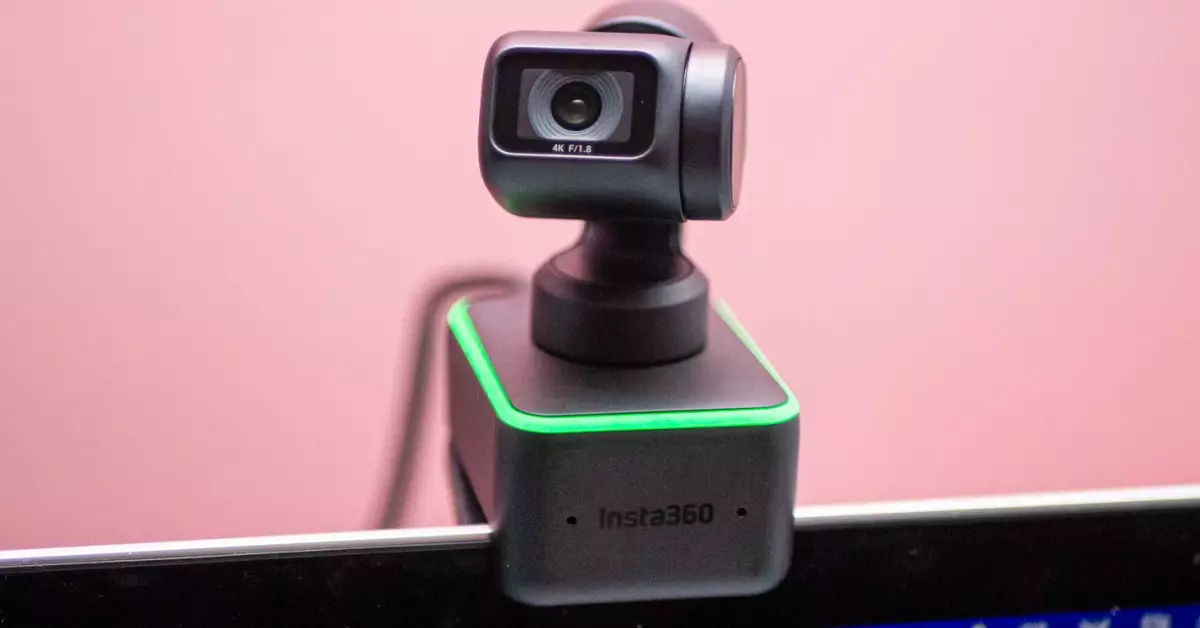
When Nintendo unveiled its highly anticipated Switch 2, the excitement was palpable not just among gamers but also among tech enthusiasts eager to learn about the new features. One aspect that stood out was the promise of broad compatibility with webcams, allowing users to effortlessly engage in video chats. Nintendo hinted that the console could utilize any USB-C camera, creating the impression that a user could simply purchase a webcam at the local electronics store and start connecting. However, reality paints a starkly different picture. Many players have discovered that the promise of easy compatibility does not hold water, leading to frustration and confusion.
Brands Fail to Deliver on Compatibility
Despite Nintendo’s assurance, the experience with various popular webcam brands has been disheartening. Numerous high-end models—from the sought-after Logitech Brio 4K to the Elgato Facecam MK.2—have failed to establish a connection with the Switch 2. Ironically, it is older models like the Logitech C920 that function effortlessly. This inconsistency raises questions about what “compatible” really means in this context. It seems that Nintendo’s definition of compatibility may be limited to a select group of cameras whose specifications align closely with the new console’s capabilities, rather than a wider range of USB-C devices.
The issue not only points to potential marketing oversights but also implies a broader problem in the ecosystem where manufacturers may not have advanced compatibility testing before launching their products. This could suggest a gap in communication between Nintendo and webcam manufacturers regarding the technical requirements for optimal functionality on the Switch 2.
The Evolving Landscape of Webcam Technology
The issue reveals an essential question: are manufacturers prioritizing compatibility in an age where streaming, gaming, and virtual communication are booming? With the explosion of telecommuting and online collaborations, the demand for reliable video communication tools is higher than ever. Yet, the apparent disconnect between high-quality webcams and the Switch 2 raises concerns about future-proofing products for the gaming community. As we progress into an era where seamless interaction is expected, the onus lies on manufacturers to ensure their devices support not just traditional computers but also the latest gaming consoles.
Both gamers and tech journalists have taken it upon themselves to bridge this gap, actively compiling lists of webcams that are compatible with the Nintendo Switch 2. This collaborative effort speaks volumes about the engaged community but also underscores a failure on the part of manufacturers to provide this information in a timely manner. Why is it up to the users to troubleshoot and discover what works on a platform that is marketed to be user-friendly?
The Simple Solution? User Testing
Interestingly, Nintendo has established a straightforward method for users to test webcam compatibility. By navigating to the system settings where a user can check if their camera outputs an image, the console offers an immediate way to determine functionality. This eliminates some of the guesswork but doesn’t resolve the fundamental incompatibilities that many are facing.
The simplicity of this testing feature suggests that other manufacturers should take a page from Nintendo’s playbook. They could design health-check functionalities for their products to ensure they work with various platforms. While Nintendo deserves credit for innovating simplicity in testing, having a less fragmented landscape where popular webcams can be utilized without countless trials and errors should be the end goal.
Next Steps: Manufacturer Responsibility
There’s an expectation for manufacturers like Elgato to step up and improve their firmware accordingly, as hinted by their spokesperson. If reputable brands truly want to dominate the webcam market in this rapidly evolving digital landscape, they must foster a culture of adaptability and user feedback. Ensuring that their devices can seamlessly work with emerging technologies is not only crucial for user satisfaction but is a benchmark for maintaining brand loyalty.
In an age where communication and connectivity are swiftly becoming the norm, manufacturers must prioritize creating a cohesive ecosystem. Gamers shouldn’t have to navigate a maze of incompatibility when looking to enhance their experience on the Switch 2. The time has come for tech companies to prioritize collaboration and engagement with both the gaming community and each other to create a more unified digital experience.
Leave a Reply