
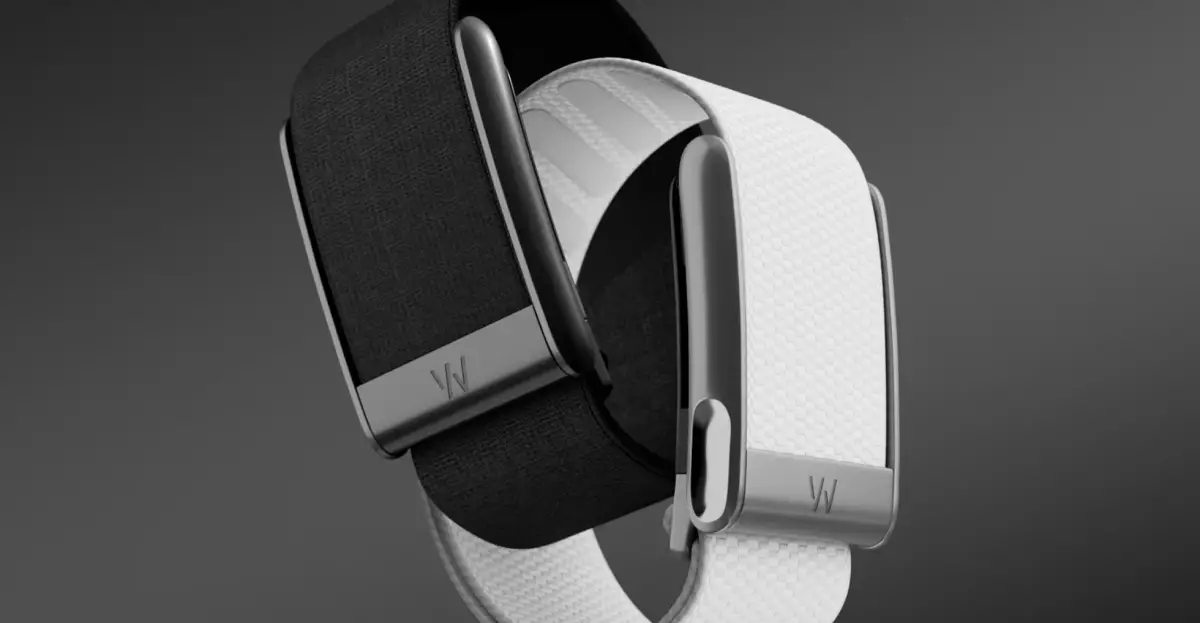
The launch of Whoop’s latest fitness tracker, the Whoop MG, designed with advanced EKG and blood pressure monitoring features, has hit a critical stumbling block. Users who enthusiastically purchased this promising device—which comes with a hefty annual subscription fee of $359—are now grumbling about widespread issues related to device performance. Reports are emerging that many Whoop MG trackers are failing to respond soon after they are unboxed. The excitement surrounding the latest iteration of the Whoop tracker has rapidly diminished as users share their frustration on social platforms and community forums, highlighting a concerning trend of devices becoming unresponsive in less than an hour of use.
Many users have taken to community forums and social media to discuss their discontent. One user stated that their MG tracker “stopped working overnight after working for 8 hours.” Others voiced similar frustrations, claiming their devices ceased functioning even quicker—within 30 minutes of initial use. This alarming trend raises questions about the quality control measures employed by Whoop, particularly given the technological advancements that supposedly come with this new tracker.
Preemptive Replacement: A Bold Strategy or Admission of Defeat?
In light of numerous complaints, Whoop appears to be taking an unorthodox approach to remedy the situation. Reports indicate that the company is sending replacement trackers to users, sometimes without any prior request from the customer. This proactive measure—while it can be seen as a commendable effort to maintain customer satisfaction—might also be considered indicative of a deeper systemic issue within the company’s product development process. It raises important questions: Is Whoop anticipating further issues with the MG model? Are they completely aware of the scope of the issues at hand, or is this a reactive measure to avoid public backlash?
The method of preemptive replacement may also lead to confusion among users. One Redditor recounted receiving a notification for a replacement despite having not encountered any problems with their device. Such unexpected decisions by the company serve to further complicate the customer experience, leaving many feeling uncertain about the reliability of the product they’ve purchased.
Community Responses and Company Accountability
The Whoop community has expressed a mix of relief and skepticism regarding the company’s approach. While some were pleased to receive a replacement tracker, others questioned whether the initial issues had been adequately addressed. Furthermore, the company’s troubles do not stop at hardware malfunctions. Earlier this month, scandal erupted when Whoop announced that users would need to extend their subscriptions by an additional 12 months to circumvent upgrade fees for the new Whoop 5.0. This policy shift was met with outrage, indicating a potential disconnect between Whoop and its user base regarding expectations for fair customer treatment.
In a surprising turn of events, disappointed users were soon informed that those with at least a year remaining on their subscriptions would qualify for an upgrade, easing some tension but raising eyebrows about Whoop’s clarity in communication. The back-and-forth nature of these decisions can damage trust and may deter potential customers who are considering investing in the Whoop ecosystem.
The Broader Implications for Wearable Technology
This situation with Whoop could serve as a cautionary tale for the wearable tech industry. Companies that prioritize the allure of cutting-edge technology over reliable product performance may find themselves facing a backlash from consumers who are increasingly demanding transparency and quality. Customers expect innovations that enhance their health and fitness journeys, not devices that falter at the first hurdle.
As the competition in the fitness tracker market grows increasingly fierce, tech companies like Whoop must be vigilant about quality assurance to maintain their standing. Customers are willing to pay a premium for technology they can rely on, and any hint of unreliability may not just result in immediate losses but could significantly harm brand reputation in the long run.
Ultimately, Whoop’s challenges serve as a reminder that groundbreaking technology must be matched by unwavering commitment to quality and customer satisfaction. The need for companies to balance innovation with performance and reliability has never been more crucial.
Leave a Reply