
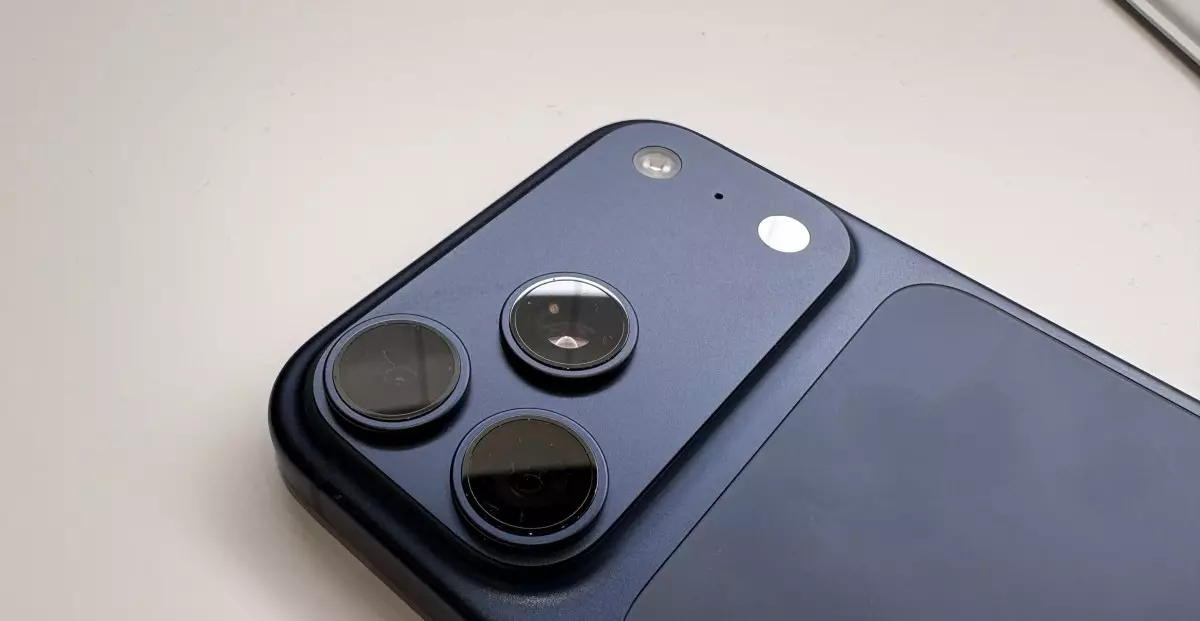
In the relentless arms race between cybersecurity experts and malicious actors, innovation remains the most potent weapon. Apple’s introduction of Memory Integrity Enforcement (MIE) signifies a bold leap forward, representing not just an incremental update but a paradigm shift in how consumer devices safeguard user data. At the core of this evolution is a recognition that modern spyware—such as the notorious Pegasus—exploits vulnerabilities deep within system memory and processes. Apple’s strategic response aims to elevate security from reactive patches to proactive, always-on protections that impose a significant barrier against such threats.
This move is particularly noteworthy because it addresses an often overlooked frontier: low-level memory management and kernel security. As cyber threats grow more sophisticated, traditional defenses—like encryption or application-level security—are no longer sufficient. MIE’s comprehensive approach focuses on shielding critical attack surfaces, including the kernel and more than seventy userland processes, effectively raising the bar for malicious operations. Given that many exploits hinge on memory vulnerabilities and speculative execution flaws, this executive decision to embed persistent safeguards demonstrates a deep understanding of the evolving threat landscape.
Technological Breakthroughs and Industry Context
Apple’s Memory Integrity Enforcement isn’t developed in isolation; it echoes broader industry trends aimed at fortifying operating systems. Microsoft’s memory integrity features in Windows 11 and Google’s successful deployment of Memory Tagging Extensions (MTE) on Pixel phones highlight a clear industry acknowledgment: memory safety is now a frontline defense. Apple’s enhancement, however, claims to surpass these efforts by integrating a layered defense supported by specialized hardware like the A19 and A19 Pro chips, which are purpose-built with security as a priority.
The new system leverages features like the Enhanced Memory Tagging Extension (EMTE), which labels and tracks memory regions to ensure that only authorized processes access sensitive data. This not only prevents common memory bugs but also makes exploiting these vulnerabilities exponentially more complex for attackers. Moreover, the implementation seems to minimize performance trade-offs—an Achilles’ heel for many security features—claiming “virtually zero CPU cost” for vulnerabilities like Spectre V1 that historically compromised performance while patching security bugs.
This balancing act—enhancing security without sacrificing user experience—is essential for widespread adoption. Apple’s innovative approach reimagines how consumers should experience both safety and seamless device operation. It signals a shift toward security features becoming transparent and integrated, rather than intrusive, necessities of modern electronics.
The Implications for Attackers and the Future of Mobile Security
What does this mean for malicious actors? Quite simply: it raises the cost and difficulty of developing effective exploits significantly. Spyware creators thrive on exploiting memory bugs, and the implementation of MIE directly targets these weak points. By making memory safety enforcement always-on and pervasive, Apple essentially turns the device into a fortification that discourages hacking attempts from the outset.
Furthermore, the incremental upgrades to older hardware—despite hardware limitations—assert Apple’s commitment to security for all users, not just those with the latest devices. This comprehensive strategy could push spyware and exploit development into more niche or less-secure platforms, or at least increase the effort, time, and resources needed to succeed.
Yet, as with any technological advancement, the arms race persists. Cybercriminals continuously adapt, seeking new vulnerabilities or exploiting zero-day flaws. While MIE dramatically elevates the difficulty of attack, it cannot guarantee absolute safety. Nonetheless, this turn signifies a crucial step toward making consumer devices an inhospitable environment for malware, bringing a new level of resilience to everyday technology users.
In conclusion, Apple’s Memory Integrity Enforcement exemplifies a visionary approach to security—one that anticipates threats rather than merely reacts to them. Its integration into the latest iPhone models not only enhances device security but also sets a new standard for the entire industry, emphasizing that user safety must be baked into the core of device architecture. As cyber threats grow in sophistication, this proactive stance might just be the safeguard that keeps personal data out of malicious hands in an increasingly hostile digital world.
Leave a Reply