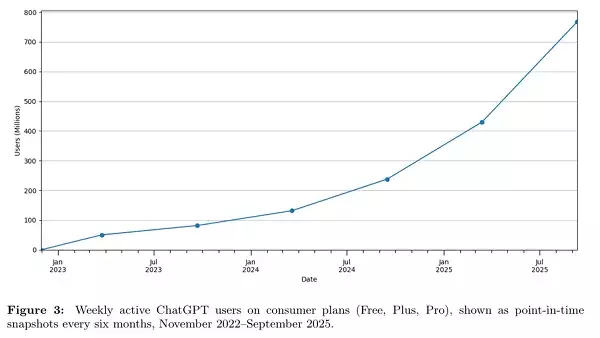
In recent years, the advent of conversational artificial intelligence has shifted from a niche technological curiosity to a central pillar of everyday life. Among these innovations, ChatGPT stands out as a prime example of how AI can seamlessly integrate into human routines, fundamentally altering how we find, process, and utilize information. Its explosion from a modest user base to hundreds of millions of active users underscores a societal shift towards embracing AI as a reliable companion for both personal and professional inquiries. This rapid adoption signals not just technological acceptance but a deep-seated desire to outsource cognitive tasks to intelligent machines—an evolution that might redefine our collective approach to everyday problem-solving.
What is particularly striking in the current landscape is how people are primarily leveraging ChatGPT for tasks related to seeking information and making decisions, rather than just engaging in simple conversations or entertainment. This indicates a growing trust in AI as an auxiliary tool capable of enhancing our understanding and expanding our capabilities. The substantial rise in information-seeking activity, which now accounts for a significant portion of all interactions, suggests that users view ChatGPT as an efficient alternative—or complement—to traditional search engines. This paradigm shift could mark the beginning of AI-powered discovery becoming the default method for acquiring knowledge in a digital age where speed and accuracy are paramount.
Furthermore, the evidence reveals a nuanced relationship between users and this technology. While practical guidance—such as learning new skills or receiving tutorials—remains constant, the declining popularity of writing-focused interactions indicates changing priorities. Perhaps users are finding that AI-driven writing tools are now more commonplace or integrated into other platforms, thereby reducing the need for direct engagement with ChatGPT for this purpose. Conversely, the increase in asking for specific, targeted information might reflect a desire for shortcut solutions in a world overwhelmed with data, where people prefer swift, accurate answers over prolonged creative processes.
The transformation of AI usage from merely performing tasks to being an information hub is a pivotal trend. It illustrates a shift from AI as a tool for automation to a *cognitive partner* that supports understanding, decision-making, and learning. This also raises interesting questions about the future role of AI in education, work, and even personal reflection. As ChatGPT becomes integrated into daily routines, we are witnessing a transition toward a world where AI is more than a helper—it is a trusted collaborator that accelerates human progress.
However, this evolution isn’t devoid of implications. The observed decline in writing interactions could suggest that users no longer see AI primarily as a creative aid but as an informational oracle. This may influence how industries train and deploy AI tools, prioritizing capabilities that enhance knowledge acquisition rather than creative output. Moreover, the decreasing emphasis on doing tasks—like composing emails or coding—may indicate that specialized tools are now fulfilling those functions more efficiently, or that users prefer dedicated applications for specific activities, reserving ChatGPT for high-level inquiry.
Overall, the trajectory of ChatGPT’s usage paints a compelling picture of a society increasingly reliant on AI for analytical and decision-making support rather than just casual conversation or entertainment. This trend points toward a future where AI assists us in navigating the complex information landscape, enabling smarter, faster choices. While skepticism about dependency and potential overreliance is warranted, the undeniable fact remains: AI is redefining human knowledge and interaction, driving us into an era where intelligent machines are not mere tools but crucial partners in our continuous quest for understanding.
Leave a Reply