
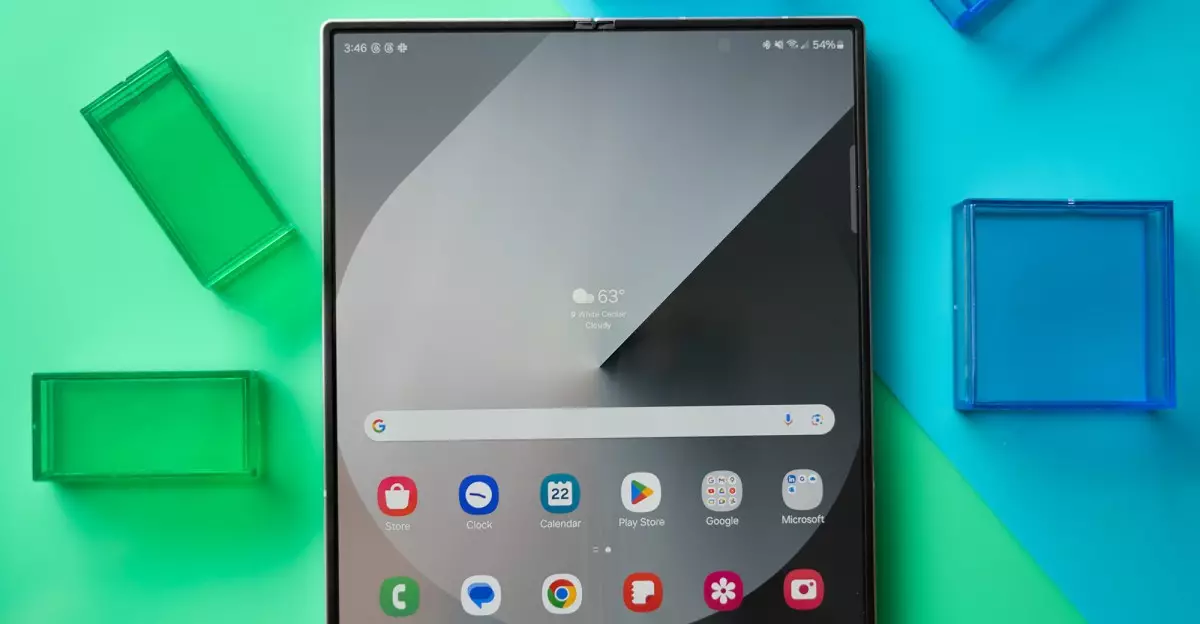
In the rapidly evolving world of smartphones, Samsung’s relentless pursuit of foldable technology represents both ambition and a recognition of changing consumer needs. However, despite years of innovation and marketing efforts, foldables continue to occupy an exclusive niche—about 1.5% of the global smartphone market in 2024. It’s a modest slice that signifies significant untapped potential but also highlights the difficulty Samsung faces in converting interest into widespread adoption. Consumers are curious, even intrigued, but hesitations around durability, price, and practicality hinder mass acceptance. Samsung’s repeated iterations, such as the Galaxy Z Flip 6 and Fold 6, have shown incremental improvements but have failed to deliver a truly compelling reason for the majority to upgrade from conventional slab phones.
This scenario underscores a critical insight: appeal alone isn’t enough. The industry’s challenge is to reframe foldables not as novel gadgets but as essential, durable, and affordable devices that seamlessly blend innovation with everyday practicality. Samsung’s upcoming lineup, rumored to include the Ultra foldable and a reimagined Flip 7, signals a strategic move in this direction—yet, questions remain whether these incremental upgrades will be enough to shift consumer perceptions substantially.
Design and Durability: Key Hurdles or Opportunities?
While Samsung’s design refinements—such as thinner profiles, larger front screens, and flatter hinges—aim to eliminate some of the biggest tradeoffs of foldable phones, the core concerns about durability persist. Despite promises of waterproofing, foldables still lag behind traditional flagship phones in resisting dust and water ingress, which raises fears about long-term reliability. Given the high price tags, users rightfully expect phones to withstand daily wear and tear, and any lapses in durability breed skepticism.
The repair costs associated with foldables pose another barrier, especially when repairs are more complicated and costly than standard phones. This situation creates a paradox: consumers are enticed by innovation but are reluctant to wager significant money on a device that might require costly repairs or doesn’t yet meet the robustness of traditional flagships. For Samsung, overcoming this “fragility” perception could be the key to broader adoption, but the company must go beyond incremental hardware tweaks. Incorporating full IP68 water and dust resistance and ensuring longer-lasting components might prove transformative, even if it drives up production costs temporarily.
Market Expansion and the Power of Ecosystem Growth
The significant growth potential for foldables doesn’t necessarily require Samsung to reinvent the wheel but rather to expand the market horizon. The anticipated entry of Apple into the foldable scene around 2026 has many industry watchers optimistic. Apple’s entrance could catalyze market growth, pulling in consumers who have historically been hesitant or unaware of foldable benefits. An Apple foldable could normalize the form factor, elevate consumer expectations, and stimulate other manufacturers, including Samsung, to step up their game.
Effectively, the battle isn’t just about hardware but about creating an ecosystem that makes foldables more attractive. This could involve improving app compatibility, enhancing multitasking features, and integrating foldables more deeply into broader technological ecosystems—smart homes, wearables, tablets, and even virtual reality. The portable, flexible form factor offers a compelling form of versatility that, if aligned with the right software experience, could redefine user engagement. Samsung must focus on turning hardware innovation into a comprehensive ecosystem experience that makes owning a foldable feel indispensable rather than experimental.
Pricing Strategies and Consumer Perception
Cost remains the most glaring obstacle in the adoption of foldables. Priced significantly above standard smartphones, foldables are often viewed as luxury novelties rather than practical devices for everyday use. Despite rumors of more affordable FE (Fan Edition) models or larger screens designed to appeal to a broader demographic, pricing strategies will ultimately determine whether foldables become mainstream. Samsung’s bet on Ultra-tier devices might attract early adopters and tech enthusiasts, but the key to accelerating market penetration is offering a compelling value proposition—bringing prices down without compromising essential durability and features.
Offering tiered pricing models that cater to different segments could be a game-changer. For middle-market consumers, a less expensive foldable with slightly reduced specs but increased durability might convert curious buyers into loyal customers. The challenge is balancing innovation with realistic affordability. Until consumers see foldables as less of a gamble—less about expensive feature toys and more about reliable daily tools—their market share will remain constrained.
Speculative Outlook: The Power of Market Expectations
Looking ahead, the prospect of a foldable from Apple could fundamentally change the landscape. Such a device could act as a market catalyst, normalizing the form factor from a luxury to an everyday staple. If Samsung nudges the envelope with ultra-rugged, affordable, and innovative foldables now, they could potentially position themselves as the primary beneficiary when the mass-market tidal wave arrives.
Getting consumers to embrace foldables requires more than new features; it requires reshaping the narrative around durability, ecosystem integration, and price. Samsung’s willingness to push the envelope—perhaps with a hinge that offers more than simply folding—may be their best shot at turning curiosity into loyalty. The foldable revolution isn’t solely about hardware but about convincing consumers that this new form factor is ready for the long haul—an essential evolution of mobile computing that can seamlessly adapt to modern lifestyles.
By thoughtfully addressing these barriers and innovating with purpose, Samsung has the opportunity to not just launch new foldable models but to redefine what a smartphone can be—flexible, resilient, affordable, and truly indispensable.
Leave a Reply