
The gaming industry is in a perpetual state of revolution, and Microsoft is steering the ship toward a new horizon with profound changes to its Xbox and Windows ecosystems. With the recent developments in the Xbox app on Windows, the company appears committed to creating a seamless experience for gamers, consolidating its platforms into a single, cohesive environment where Xbox and PC gaming coexist. This is not merely a cosmetic change; rather, it signals Microsoft’s ambition to reshape how players access and enjoy video games across devices.
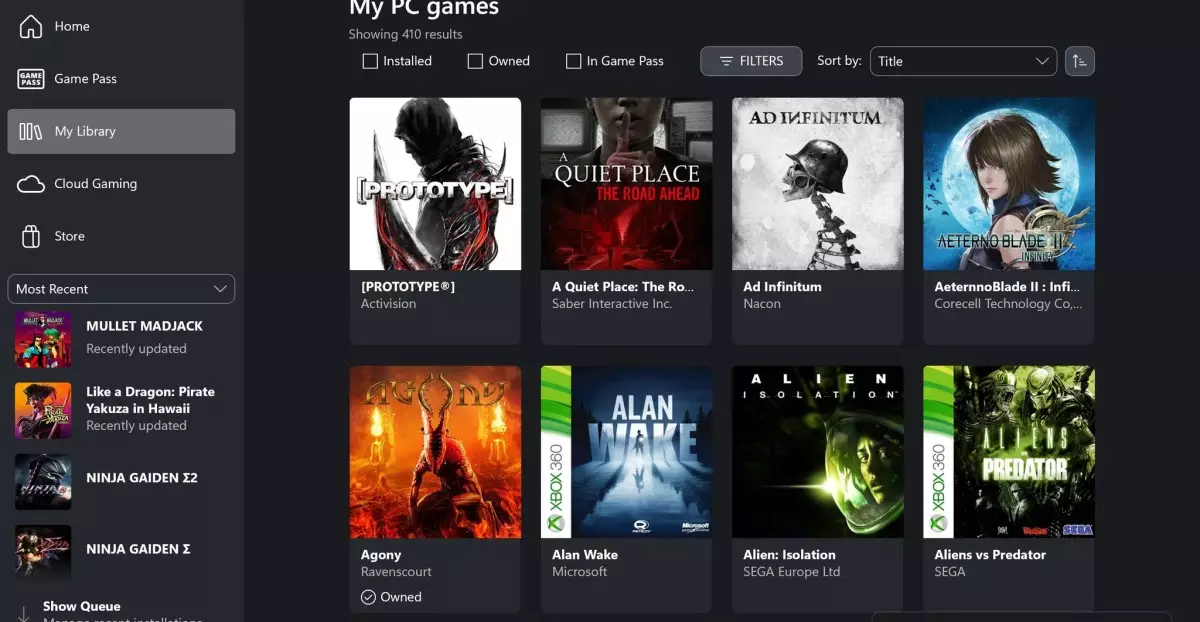
What’s particularly interesting is the subtle integration happening behind the scenes. Users have noticed the Xbox PC app displaying console titles they own, such as classics like Alan Wake for the Xbox 360. While these titles cannot be downloaded and played on a PC just yet, their appearance hints at a significant shift in strategy. It could be that Microsoft is laying the foundations for the “universal library” concept—a storied vision that seeks to eliminate the divisions between console and PC gaming altogether.
Bridging the Divide
For years, gaming has often been an “us versus them” scenario, with console players and PC gamers separated by design and ecosystem constraints. However, Microsoft seems to be challenging this long-standing norm, aiming to bridge the gap effectively. The Xbox app has evolved—now branded as “Xbox PC”—which reflects a commitment to creating a centralized hub for gamers to enjoy a diverse array of titles, whether they originate from Xbox consoles or are available on PC.
This transition also includes the potential integration of external game libraries like Steam and Epic Games Store into the Xbox app interface. This move should excite gamers who have thus far relied on separate ecosystems to access their beloved titles. Imagine a single library where players can view and manage all their games regardless of origin; such a feature would not only simplify user experience but also foster a more inclusive gaming community.
Future-Proofing Against Competition
In the face of rising competitors like SteamOS, which is making strides in the handheld gaming market, Microsoft’s initiative to unify Xbox and Windows is not merely innovative; it’s essential for survival. Steam has cultivated an almost monopolistic hold over PC gaming, and with hardware manufacturers like Lenovo diving into SteamOS, Microsoft’s hand is forced. By creating an environment where Xbox and Windows harmoniously converge, Microsoft is likely bolstering its position against competitive pressures while maintaining user loyalty.
The ongoing development of handheld devices featuring Xbox capabilities could also indicate that Microsoft understands the evolving demands of today’s gamers. The company appears poised to deliver a versatile gaming experience that melds traditional console play with portable gaming formats—a logical step given the growing popularity of handheld gaming.
The Cloud as a Gateway
One of the core elements facilitating this ambitious integration might be Microsoft’s extensive cloud infrastructure. With announcements of cloud gaming and the potential of leveraging this technology, the dreams of playing older Xbox titles on a PC could soon become a reality. The precedence of cloud-based gaming has already shown that what was once thought impossible could now be achievable, thereby allowing gamers access to a wider library of titles without stringent hardware requirements.
As the gaming landscape evolves, one cannot ignore the potential ramifications of such an integration. If Microsoft successfully enables backward compatibility through cloud services, gamers could witness an unprecedented renaissance of classic titles, breathing new life into beloved games that have long been dormant.
The Road Ahead: Exciting Uncertainties
As Microsoft continues to evolve its platforms, the big questions linger: What will the gameplay experience look like for Xbox titles on PC? Will the convergence actually deliver tangible benefits to gamers, or will it become another marketing gimmick? The answers to these queries lie in the execution of Microsoft’s grand vision.
What is clear is that the gaming world should stay vigilant as Microsoft takes bold strides toward unifying its ecosystems. The implications of such a move could redefine how we perceive access to games, fostering an era of greater connectivity and convenience in gaming. Therefore, Microsoft’s strategy could be a game changer, one that encourages a sense of unity among gamers across all platforms—a prospect that is exhilarating, to say the least.
Leave a Reply