
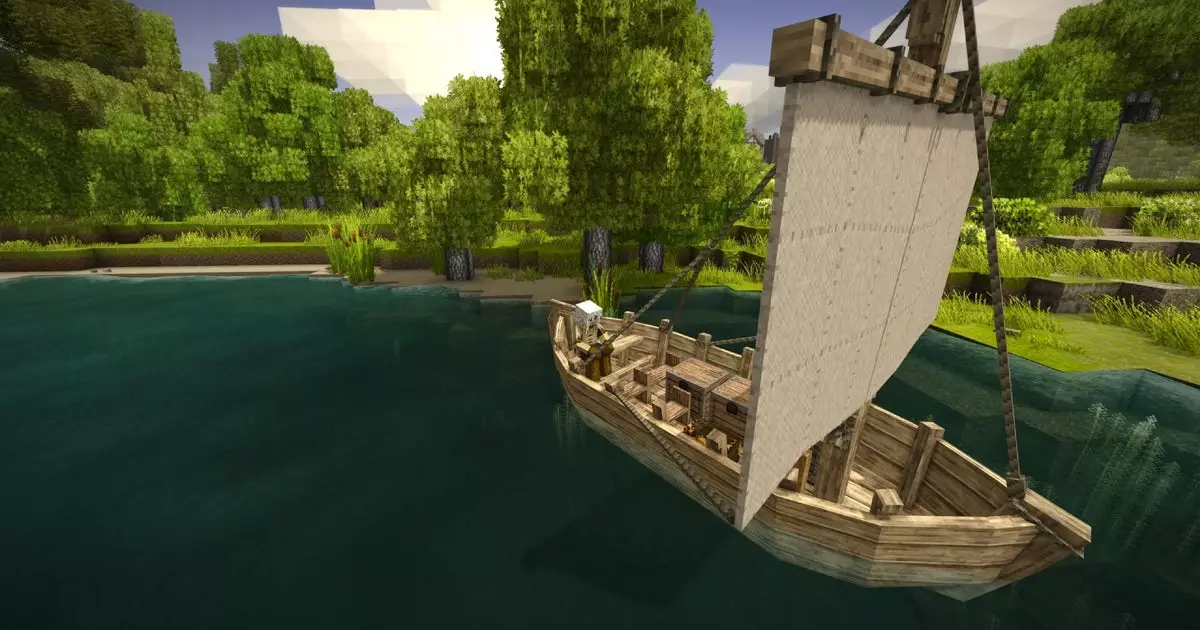
In the highly volatile world of game development, ambitious projects often face unexpected setbacks—cancellations, corporate closure, or simply being blown away by unforeseen setbacks. But what happens to the dreams of a community that invests emotionally and creatively into a game that never sees the light? This question becomes even more poignant when those projects, such as Hytale, promise a future filled with limitless potential but are abruptly halted. It is within this context that we witness a quiet, yet powerful phenomenon: indie developers and dedicated communities attempting to breathe life into the spirit of these “what could have been” titles through innovative remakes and spin-offs.
A recent example is the plans by the Vintage Story team, inspired by the presumed void left by Hytale’s abandonment. Recognizing the void left by the project’s cancellation, the developers have embraced a proactive stance—not to replace Hytale entirely, but to forge a new path that channels its core vision. They are dedicated to creating an adventure mode that echoes Hytale’s emphasis on fantasy, RPG elements, and narrative depth, all while staying true to Vintage Story’s gritty, realism-based foundation. This effort exemplifies a fundamental truth about fan-driven creativity: when large-scale corporate projects falter, passionate indie teams often step into the breach, transforming grief into innovation.
What is worth emphasizing here is the significance of the collaborative spirit among small development teams. Unlike monolithic studios, these tight-knit groups leverage agility, intimacy, and enthusiasm. The Vintage Story team’s intent to kickstart this ambitious side-project with a core group of just three or four members highlights their belief in slow, sustainable growth. They aim to mitigate risks, prioritize quality, and maintain control—traits that are essential when attempting to remake the magic of a lost world within limited resources. Their openness to evolving the project based on feedback underscores an admirable humility and respect for player community investment.
Why These Efforts Matter Beyond the Screen
The broader importance of such efforts cannot be overstated. When larger corporations abandon promising projects, it leaves a vacuum—disillusionment among fans and a missed opportunity for innovation. However, indie developers act as the cultural custodians and preservationists, converting their passion into tangible results. In the case of Vintage Story, this endeavor signals more than a game; it’s a testament to resilience and the enduring human desire for creative expression. It underscores a core truth: meaningful gaming experiences aren’t solely manufactured by giant studios but can be cultivated from communities that refuse to give up on their visions.
Furthermore, this grassroots movement represents a crucial shift in the industry’s power dynamics. Players are no longer passive consumers but active participants and co-creators in the evolution of their favorite titles. The Vintage Story development team’s commitment to transparency—sharing plans, updates, and even concerns—embodies a new ethic of openness that elevates the relationship between creators and their audiences. This interactive approach fosters trust, fuels community engagement, and encourages a shared sense of ownership over the project.
Another compelling aspect is the potential for these small-scale projects to influence the gaming landscape at large. By reimagining mechanics, aesthetics, and narratives in ways that larger studios often overlook, indie teams can push boundaries and introduce fresh ideas into the market. Their inventive spirit often results in more personalized, diverse, and immersive experiences that cater to niche interests and experimental concepts. In essence, these efforts preserve the richness and variety that make gaming a truly dynamic art form.
The Spirit of Innovation and Persistence in Gaming Culture
The story of Vintage Story’s initiative echoes a larger narrative about resilience in creative industries. When a project like Hytale faces cancellation, it’s easy to see it as a failure, yet these setbacks also serve as catalysts for new beginnings. The human drive to create, to explore, and to build worlds persists even in the face of setbacks. Developers like Tyrone and his team exemplify this spirit—they are not deterred by the setback but inspired to continue crafting their own visions inspired by the lost dream.
This proactive stance also challenges the conventional notion that only giant studios can innovate. By taking responsibility for shaping their own gaming universes, indie developers demonstrate that passion, ingenuity, and community support can bridge the gap left by corporate disillusionment. These smaller teams are not just filling a gap—they are redefining what it means to be a creator in the digital age. Their efforts inject vitality into the industry, ensuring that the spirit of possibility and adventure remains undiminished, even amid setbacks.
The grassroots revivalism embodied by projects like Vintage Story’s new adventure mode is a testament to the resilient, innovative core of gaming culture. It reflects an understanding that the most meaningful and enduring experiences are born from community-driven passion and perseverance. While the original dream of Hytale may have been curtailed, these new efforts reaffirm that the human desire to craft worlds, tell stories, and forge new adventures lives on—more vital and inspiring than ever.
Leave a Reply