
Manor Lords stands at a pivotal crossroads, with recent developments signaling a profound shift in its developmental philosophy. Fans have long clamored for updates, but what they’re about to receive isn’t mere incremental patches—it’s a comprehensive overhaul. The developers, Slavic Magic, are undertaking a major rework of core systems, reflecting an ambition to elevate the game’s realism and strategic richness. While some may view this delay as a setback, it ultimately underscores a commitment to craftsmanship. This approach prioritizes quality over quantity, aiming to craft an experience that genuinely captures the intricate tapestry of late 14th-century Franconian life, rather than superficial superficiality.
What’s particularly compelling about this overhaul is the developers’ focus on rebuilding foundational mechanics. Instead of patching in minor features or fixing bugs in isolation, they are reimagining how buildings, production processes, and environmental interactions function at a fundamental level. Such a radical reshaping indicates a desire not only to enhance gameplay but also to foster deeper strategic engagement, where each decision reverberates across the entire settlement.
Innovative Systems Promising a Heightened Sense of Place
One of the most eagerly anticipated features of the upcoming update is the newly conceived building affinity system. This isn’t just about aesthetics or superficial bonuses; rather, it aims to simulate the organic relationships between different types of environments and their corresponding structures. The game’s initial experiments with radius effects clashed with its plot system, creating friction and limiting creativity. Slavic Magic’s solution—matching building affinities with environmental types such as Meadows, Woodlands, Farmland, Rural, and Urban—marks a thoughtful evolution.
This affinity system promises to add layers of complexity and immersion, requiring players to consider not just resource placement but also ecological harmony. Apiaries thriving in woodland regions, orchards benefiting from meadow pollination, and houses evolving based on their surroundings could turn city-building into a form of ecological puzzle-solving. It’s a move I wholeheartedly endorse because it aligns with a broader goal: to make medieval life feel authentic, chaotic, and wonderfully unpredictable.
Furthermore, these systems are not static; buffs and multipliers tied to environmental types introduce nuanced strategic choices. For example, establishing apiaries near woodland can drastically boost pollination efficiency, creating incentives for players to experiment with diverse landscape configurations. It’s a compelling way to intertwine environmental storytelling with gameplay mechanics.
Ambitious New Horizons and Visual Enhancements
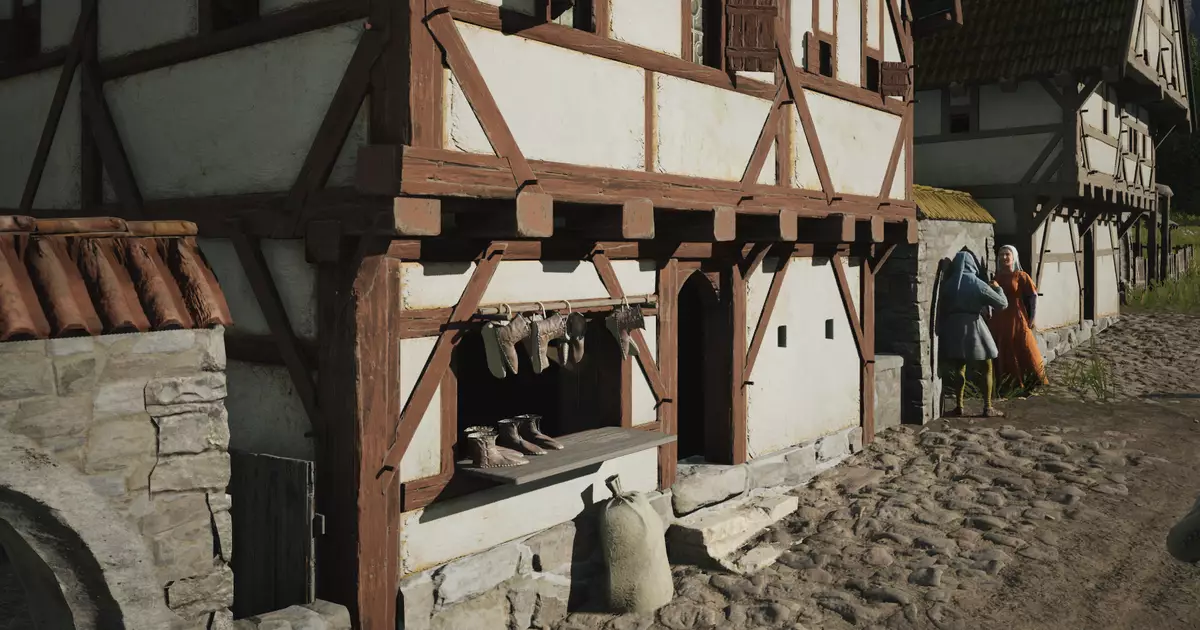
Beyond systems, the developers are working on a fresh map titled Divided, featuring a mountain ridge bisecting the landscape. This terrain variation will surely inject fresh challenges and opportunities, encouraging players to adapt their settlement strategies to diverse geographical features. Visual updates are equally ambitious: new shop fronts, artisan workstations, see-through fortifications, and reworked building cards aim to make the medieval world more tangible and visually engaging.
These enhancements signal a conscious effort to elevate aesthetic detail and functional realism simultaneously. Transparency in fortifications, for example, isn’t merely a decorative flourish—it reflects a desire to make defensive structures more purposeful and interactable, improving strategic depth. Likewise, the new workstations and artisan stations offer a glimpse into a more vibrant, interconnected economy.
Despite these ambitious plans, the developers acknowledge that everything is subject to change. Yet, from a player’s perspective, this transparency fosters trust. We’re not just given vague promises; we’re offered a window into a future where Manor Lords becomes not just a game but a meticulously crafted simulation of medieval life.
Analyzing the Impact and Personal Reflection
While delays often breed impatience, in this context they serve a purpose. Manor Lords’ evolution hinges on building a robust foundation that can support complex, meaningful gameplay. As someone who appreciates the gritty realism of medieval city-building, I see these changes as overdue but worthwhile. The concept of immersing oneself in a living, breathing medieval landscape—where each building’s placement and environmental interaction matters—resonates deeply with my desire for depth and authenticity.
Moreover, the shift towards a more modular update schedule is a mature approach, promising regular content without sacrificing quality. This could set a new standard for early access titles—balancing developer vision with player expectations. If executed well, Manor Lords could carve out a niche as the definitive medieval city-builder that combines strategic depth with aesthetic beauty.
However, it’s fair to remain cautious. Such sweeping changes risk alienating players who prefer faster progress or simpler mechanics. The challenge ahead lies in translating these ambitious plans into seamless gameplay experiences, free from bugs or design inconsistencies that could deter even the most devoted fans.
This rework strategy reflects both confidence and humility. Slavic Magic recognizes what Manor Lords can be—a complex, beautiful simulation—and is willing to invest the time necessary to realize that vision. It’s an exciting, if tumultuous, journey that raises expectations for what early access can evolve into: a truly immersive, authentic medieval experience that respects both history and player ingenuity.
Leave a Reply