
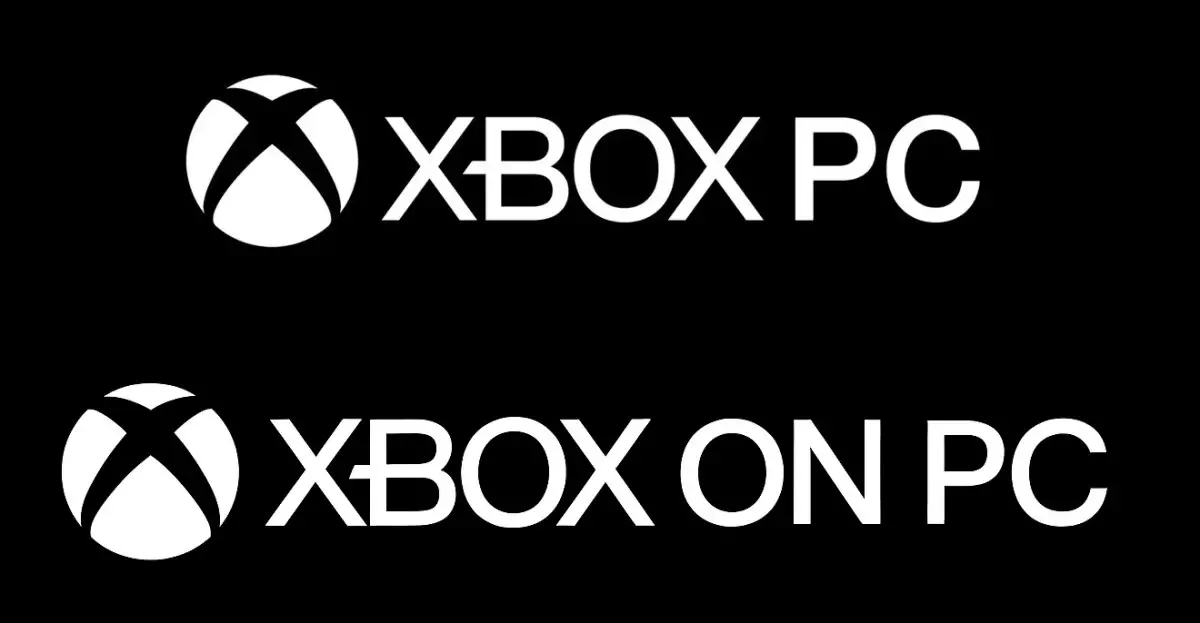
In the rapidly evolving landscape of gaming, Microsoft’s branding strategies often reflect more than just marketing—they reveal the company’s core ambitions, internal struggles, and aspirations of seamless integration across devices. Recently, Microsoft has undergone a perplexing transformation in how it labels its PC gaming offerings, oscillating between “Xbox PC” and “Xbox on PC” in a matter of weeks. Initially, the “Xbox PC” moniker was introduced via a blog post in early May, with promises of a unified experience for gamers accessing their library through the Xbox app and store. Yet, by the end of June, that label had been replaced, replaced again in some instances by “Xbox on PC.” This constant switch-up embodies Microsoft’s ambivalence about defining its brand in the PC space, revealing an internal conflict about how to present its ecosystem to consumers and developers.
This rapid shift is more than semantics; it indicates an identity crisis. Is Microsoft trying to position its PC offerings as a distinct platform, akin to Steam, or is it simply emphasizing the presence of Xbox games within the broader PC environment? The answer isn’t straightforward. On one hand, “Xbox PC” felt like a strategic move to create a dedicated, recognizable brand, signaling that Xbox-branded content is now an integral part of the PC gaming scene. On the other, “Xbox on PC” is more about subtly reorienting the narrative—highlighting that Xbox games are now accessible without the need for traditional consoles, emphasizing convenience over brand segmentation.
The Broader Significance of Branding Confusion
The frequent swapping of labels by Microsoft is a reflection of deeper challenges in establishing a cohesive gaming ecosystem. Historically, Xbox and PC gaming have existed in parallel tracks, with divergent user experiences, interfaces, and expectations. Microsoft’s attempts to unify this experience are often marred by inconsistent messaging. The confusion is compounded by third-party publishers adopting the same terminology, with Focus Entertainment, for example, using “Xbox PC,” only to switch to “Xbox on PC” in subsequent promotional materials.
This inconsistency is symptomatic of Microsoft’s broader dilemma in branding—how to market a hybrid platform that blurs the lines between console and PC gameplay. The company’s previous effort, rebranding its “Xbox Game Pass for PC” as “PC Game Pass,” aimed to clarify its position. Yet, even with these adjustments, the core challenge remains: defining a clear identity for a platform that’s simultaneously traditional, innovative, and transitional.
Furthermore, Microsoft’s meandering branding signals a broader strategic uncertainty about the future of gaming. The company wants to herald a future where Xbox is not just a console but a versatile ecosystem spanning phones, laptops, TVs, VR headsets, and more. But the inconsistent naming hints at teething pains in this transition—how do you convince consumers that “Xbox on PC” is a natural extension rather than a confusing sideline?
Ambitions, Challenges, and the Road Ahead
Microsoft’s recent efforts are driven by genuine ambition. The company envisions a gaming universe where the boundaries between devices dissolve, and players enjoy a seamless experience regardless of hardware. The upcoming integration of Windows and Xbox for handheld PCs later this year exemplifies that vision—a convergence aimed at creating a unified platform. However, the branding chaos suggests that Microsoft may be rushing this transformation, eager to stake its claim before competitors intensify.
From a critical perspective, the fluctuating terminology underscores a lack of clarity in Microsoft’s strategy. A company with Microsoft’s resources should have a sharper, more consistent message about what Xbox on PC truly represents. Instead, the quick switch from “Xbox PC” to “Xbox on PC” reveals hesitation and an evolving understanding—or perhaps an internal conflict—about the brand’s core identity.
These branding inconsistencies could have tangible impacts. Casual consumers might be confused about what they’re buying or playing, while developers may find it challenging to align their marketing under a moving target. For Microsoft, the stakes are high: if they fail to craft a compelling, clear narrative, they risk diluting their brand influence in an increasingly crowded market.
Microsoft’s frequent branding shifts are symptomatic of a larger internal struggle—a company grappling with how to position itself at the intersection of PC and console gaming. While the ambition to create a unified, cross-platform ecosystem is admirable, the execution appears hampered by confusion and haste. If Microsoft truly wants to lead this new era of gaming, it must clarify its identity, stabilize its messaging, and focus unwaveringly on delivering a consistent experience that resonates with players and developers alike. Without that clarity, the promise of an all-encompassing Xbox universe remains elusive, tucked behind a cloud of branding ambiguity.
Leave a Reply