
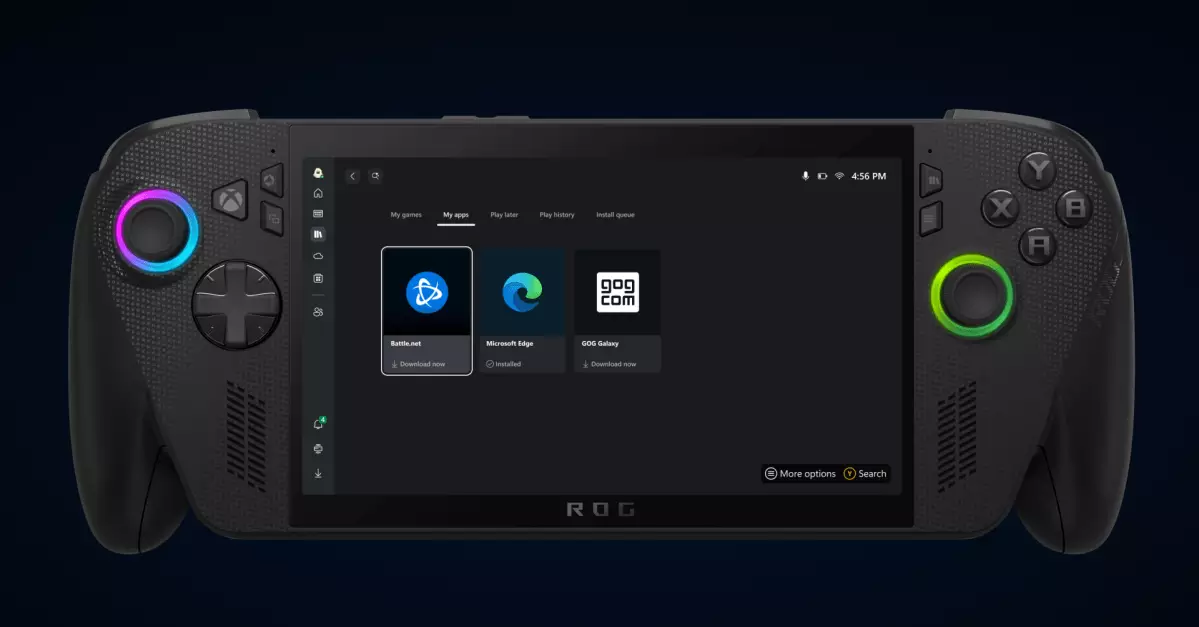
Microsoft’s latest innovation in its Xbox app signals a significant departure from traditional paradigms of gaming platform management. By introducing a centralized “My apps” tab, the company is clearly aiming to streamline how gamers access, manage, and launch third-party applications on Windows 11. This move is not just about convenience; it reflects a deeper strategic intent to position the Xbox ecosystem as the primary hub for PC gaming, transcending the boundaries of native Microsoft titles and storefronts.
The new feature consolidates access to browsers, gaming utilities, and even rival storefronts like Steam, Battle.net, and GOG Galaxy. Such integration hints at Microsoft’s willingness to embrace a more open gaming environment, stepping away from a purely walled-garden approach that once defined the Xbox ecosystem. Instead, it acknowledges the reality that PC gamers often juggle multiple platforms, and consolidating access points today is more about user experience than strict adherence to proprietary ecosystems.
What is particularly compelling about this development is the focus on handheld PCs. Devices such as the ROG Xbox Ally exemplify the move toward gaming on-the-go, where minimizing friction and maximizing accessibility is crucial. Microsoft’s effort to adapt the Xbox app for these portable devices demonstrates a recognition of changing gaming habits—where mobility and quick access are becoming non-negotiable. In essence, Microsoft appears to be betting on the idea that gaming should be seamless, no matter the device, and the “My apps” feature is a step toward making that a reality.
Breaking Barriers: Challenging the Notion of Standalone Storefronts
Historically, gamers have had to navigate multiple interfaces—launching applications, searching for updates, and managing installations across different storefronts. Microsoft’s approach to integrating these third-party platforms within a singular hub disrupts this fragmented experience. It signals a conscious effort to diminish the importance of individual storefronts, transforming them from isolated silos into integrated services within a unified interface.
The beta testing phase reveals some promising functionalities, such as the ability to launch apps like Battle.net or Chrome directly from the Xbox application. However, the difficulties encountered with automatic installations—like with GOG Galaxy—highlight the complexities involved in executing such an ambitious integration. These initial hiccups should not overshadow the broader vision; instead, they reflect the typical teething problems in pioneering new user experiences.
Yet, this coexistence raises important questions about platform dominance. Will Microsoft’s expansive “My apps” view eventually marginalize other storefronts? Could it discourage developers from maintaining independent ecosystems if the central hub becomes the primary gateway? From a user perspective, however, the convenience of a centralized launcher outweighs these concerns, especially if Microsoft continues to support a growing roster of third-party applications.
The Implications for Gaming Culture and Industry Power Dynamics
Microsoft’s push to unify and simplify gaming access embodies a broader industry trend: the convergence of PC and console gaming worlds. The company’s strategic vision—merging Windows and Xbox, and creating a shared ecosystem—aims to redefine what it means to be a gaming platform in the 21st century. This move toward integration resonates with the growing importance of cloud gaming, subscription services, and cross-platform play.
However, this centralization could reshape industry power dynamics. As Microsoft consolidates access under its ecosystem, it could wield increased influence over game distribution, pricing, and platform policies. This might benefit consumers through greater convenience but could also spark concerns about monopolistic tendencies and reduced competition.
Furthermore, this initiative reflects Microsoft’s confidence in its growing role as a gatekeeper rather than just a hardware or software provider. With the Xbox app increasingly becoming the de facto portal for PC gaming, the company is positioning itself as the orchestrator of a new digital playground—where convenience and integration are king.
Ultimately, Microsoft’s efforts embody a bold assertion: gaming should be effortless, accessible, and interconnected. While it challenges established notions of platform independence, it also presents an opportunity for a more cohesive ecosystem that benefits gamers. Whether this leads to a more open or more closed environment remains to be seen, but what is undeniable is Microsoft’s readiness to radically rethink the landscape of PC gaming.
Leave a Reply