
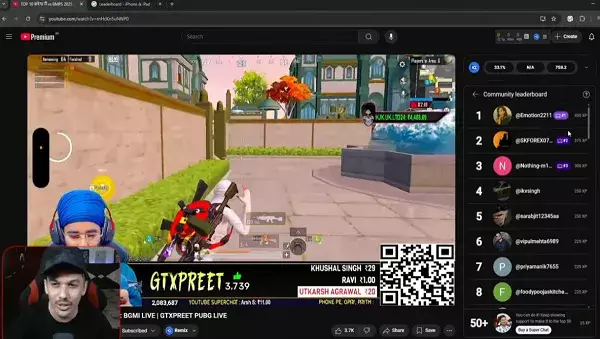
YouTube, the giant of video-sharing platforms, is unrolling a new strategy to boost viewer interaction during livestreams with an innovative gamification element—the introduction of a leaderboard. This concept places significance on viewer engagement by ranking participants based on their interactions, such as comments, Super Chats, and gifts. By transforming the usual passive observation into an active competitive experience, YouTube attempts to elevate the dynamism of its livestreams and invigorate audience participation.
The fundamentals of this gamified system are quite straightforward: viewers accumulate engagement points that are then displayed through a distinct crown icon within the chat interface. This approach not only highlights the top 50 most active viewers but enhances the intrinsic social dynamics of livestreaming, incentivizing users to become more involved. On the surface, this appears to be an ingenious means to foster community and excitement, particularly among the gaming audience—a demographic known for their competitive nature and quest for recognition.
Competitive Spirit and Its Pitfalls
Despite the potential upsides, one can’t ignore the inherent drawbacks of this gamified model. The competitive nature of the leaderboard diminishes the essence of genuine engagement; it risks turning authentic interactions into a mere bid for status. In a space where creators strive to foster a sense of community among their audience, this ranking mechanism could inadvertently lead to a self-serving environment, where viewers engage not for the sake of fun or meaningful conversation but solely for the pursuit of accolades and attention.
Moreover, while YouTube claims that the top three most engaged viewers will earn badges visible to creators, it raises the question of whether these badges genuinely enhance the viewer experience or simply create an artificial hierarchy. One must ponder whether some viewers might opt-out from engaging genuinely, focusing instead on gaming the system to win recognition. Although YouTube allows users to remove themselves from the leaderboard, those who revel in collaboration or authentic engagement might feel alienated amid such competitive constructs.
The Business Perspective
From a business standpoint, YouTube’s motivation for this initiative is undoubtedly steeped in strategy. Increased engagement translates directly into higher revenue through the additional purchases of chat features like Super Chats and stickers. Creators will also benefit financially from any resulting interactions, as they receive a share of the earnings from these transactions. This design prioritizes not just viewer retention but commercial viability, underscoring how much YouTube, while providing a platform for expression, is inherently driven by profit.
The introduction of a competitive element in livestreaming is a calculated risk; it simultaneously offers a unique viewer experience and reinforces YouTube’s position in a crowded digital landscape. However, whether this innovation can foster genuine connections amongst viewers or merely create a superficial race for attention remains to be seen. It serves as a reminder of the delicate balance between fostering community spirit and promoting competitive behavior in online interactions, a lesson our digital age must grapple with as it evolves.
Leave a Reply