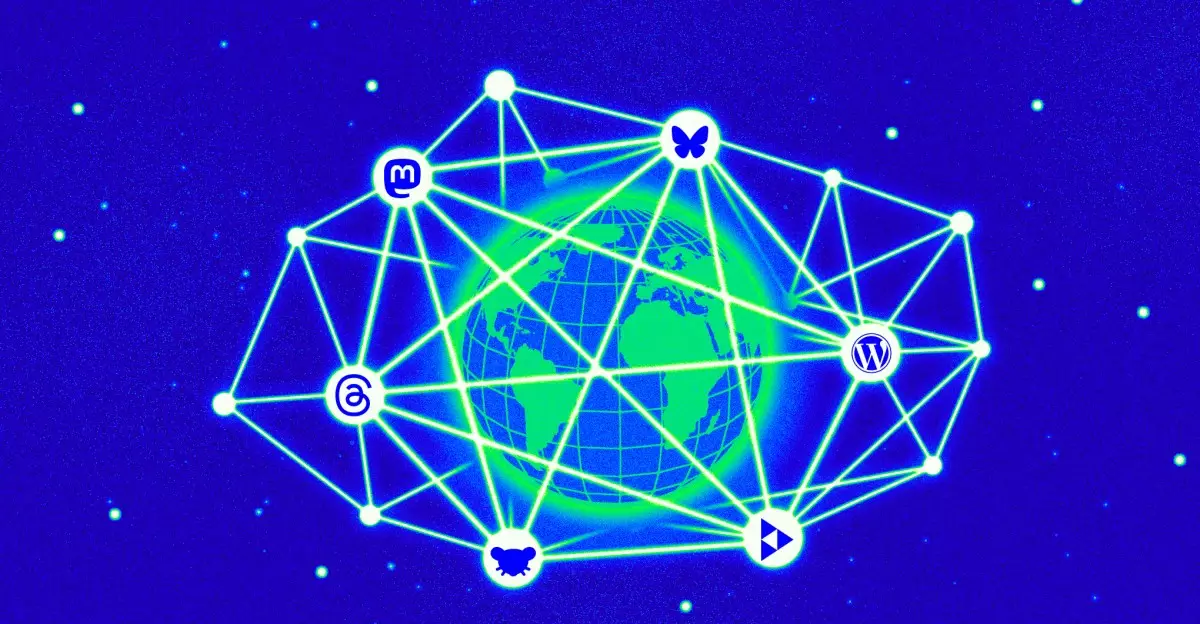
The emergence of decentralized social networks marks a transformative moment in online interactions, with platforms like Bonfire Social, Channel.org, and Bounce leading the charge. In an age characterized by increasing concerns over privacy and centralized control, the shift toward open web solutions is not only refreshing but necessary. These innovative applications exemplify how technology is evolving to meet our needs for community, control, and creativity in the digital landscape. This new wave of platforms is not merely about communication; it’s about cultivating genuine digital ecosystems where users have a voice, a choice, and, perhaps most importantly, agency over their online experiences.
Bonfire Social: Pioneering Digital Communities
Bonfire Social emerges as a beacon for community building in the decentralized web. It is more than a mere app; it’s a framework designed to empower users to create and govern their digital spaces, reflecting distinct identities and needs. During the recent FediForum, the announcement of Bonfire Social 1.0 showcased key features that prioritize user participation, such as custom feeds, profiles, and threaded discussions. This doesn’t just facilitate interactions; it helps cultivate personalized communities tailored to the users’ social fabrics. The intention behind creating various “flavors” of Bonfire, including community-focused and academic-oriented versions, signals a commitment to inclusivity and adaptability—a crucial trait in our diverse online environment.
What sets Bonfire apart is its federated approach. By allowing interoperability with established platforms like Mastodon, Peertube, and Mobilizon, it blurs the lines between separate digital territories, enabling users to connect across various niches without losing the essence of their chosen communities. Such integration stands in stark contrast to the siloed experience offered by traditional social media giants, making Bonfire Social a compelling alternative for those seeking a more cohesive, community-driven web experience.
Channel.org: The Curation Revolution
In parallel, Channel.org steps in as a tool for users striving for a curated digital experience. This platform lets users refine their feeds according to specific interests by tracking hashtags and users across the open social web. By allowing channels to span multiple networks, including bridged Bluesky accounts and RSS feeds, Channel.org epitomizes the idea of personalization. In an era inundated with noise and irrelevant content, this capacity to filter and tailor information becomes an indispensable asset for users seeking to engage with topics that truly matter to them.
Moreover, the built-in safety features—such as blocking NSFW content and hate speech—underscore Channel.org’s commitment to creating a safe and friendly online atmosphere. In an environment where toxicity can easily seep into discussions, proactive measures like these cannot be overstated. Although it is currently invite-only, eagerness for the service is clear, and the waitlist indicates a strong desire for curated communal experiences that serve distinct audiences.
Bounce: Bridging Two Platforms
Another exciting development from the recent showcase is Bounce, an application specifically crafted to facilitate a seamless transition for users moving their Bluesky accounts to Mastodon. This tool is significant because it respects the social capital users have built, enabling them to retain followers during their transition, a concern often overlooked in discussions about platform switching. Bounce represents more than just a logistical aid; it symbolizes a larger movement toward interoperability in social media. By aiding users in maintaining their connections while embracing a decentralized future, Bounce contributes to the democratization of social networking.
The collaborative spirit of A New Social, the creators behind Bounce, is commendable. By leveraging existing tools like Bridgy Fed, they not only empower users to navigate these shifts but also foster community resilience across platforms. Their initiative demonstrates a forward-thinking approach that prioritizes user empowerment and adaptability, critical in a rapidly changing digital landscape.
The Necessity of Ethical Innovation
These advancements pave the way for a future where digital interactions are not solely dictated by algorithms and corporate interests but are instead led by user desires and communal values. As we continue to witness the evolution of online platforms, it becomes abundantly clear that ethical innovation is not merely a preference; it is a necessity. By prioritizing user agency, transparency, and safety—the cornerstones of vibrant online communities—we stake a claim on a digital future that amplifies our voices rather than silencing them. Each of these platforms—Bonfire Social, Channel.org, and Bounce—represents a beacon of hope on the open web, urging us all to take part in shaping the digital spaces we inhabit.
Leave a Reply