
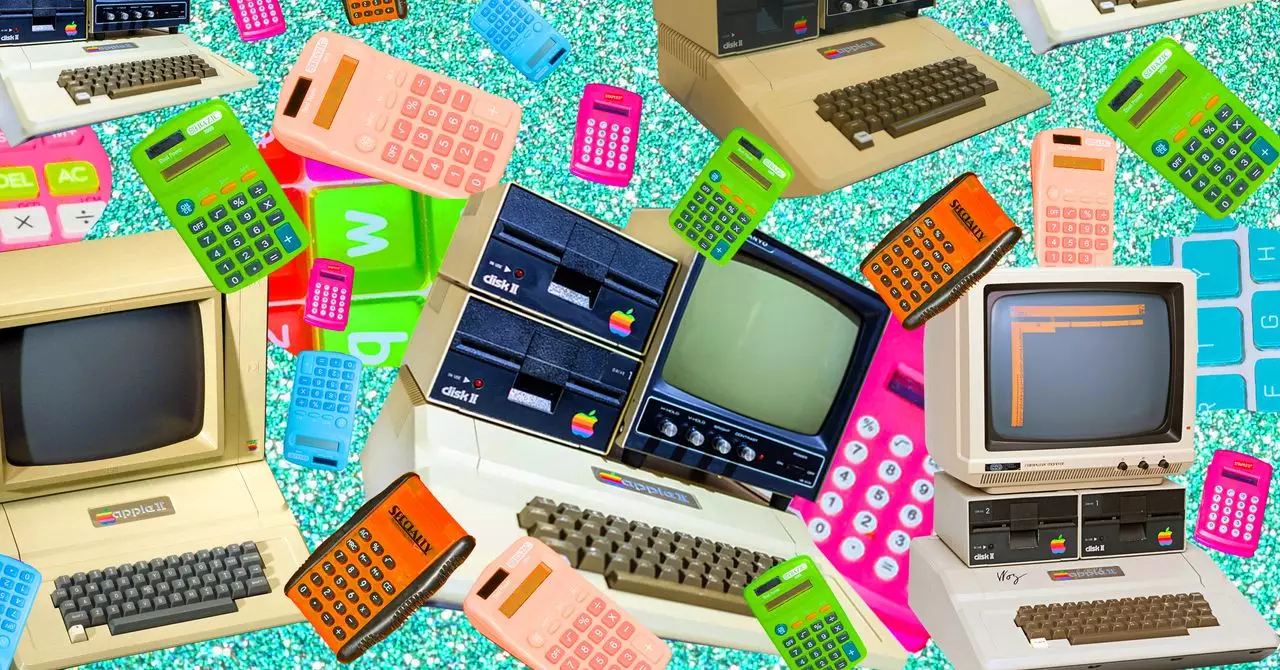
The integration of technology into education was heralded as a revolutionary step toward democratizing learning and preparing students for the digital age. In the early 1980s, visionary companies like Apple played a pivotal role by donating thousands of computers, such as the Apple IIe, to schools under initiatives like “Kids Can’t Wait.” This movement was fueled by legislation offering tax incentives to tech firms donating hardware to educational institutions, effectively jumpstarting the classroom computer revolution. Over the decades, the disparity between the number of computers and students shrank remarkably, culminating in a scenario where, by 2021, the majority of school districts mandated a digital device per student. These figures paint an optimistic picture of technological progress—yet this progress warrants a deeper critical examination.
The Deepening Divide: Are We Truly Advancing?
While the rapid increase in computers, interactive whiteboards, and internet access appears promising, it conceals a more complex reality. At face value, higher device-to-student ratios suggest enhanced learning opportunities. Nonetheless, some educators and researchers warn that this technological surge may not necessarily translate into better educational outcomes. Professor A. Daniel Peck, a reputable voice in education circles, criticizes what he calls the “computer religion explosion.” According to Peck, the obsession with digital tools risks overshadowing fundamental skills like literacy, numeracy, and critical thinking. He suggests that the emphasis on technology sometimes leads to superficial engagement rather than meaningful learning—a critique that strikes at the heart of whether these investments genuinely serve educational advancement or simply create shiny distractions.
The Costly Illusions of the Digital Classroom
The economic dimension of educational technology is significant, and many developments come with a hefty price tag. For instance, interactive whiteboards, introduced widely by the late 2000s, ranged from $700 to over $4,500 each. These expenditures, though justified by the promise of interactive, engaging lessons, have prompted debates about value and priorities. Critics argue that investing heavily in whiteboards diverts limited resources from more essential needs like comprehensive teacher training, curriculum development, or access to affordable laptops and tablets. Furthermore, there is mounting skepticism about the pedagogical effectiveness of whiteboards, which some see as reinforcing teacher-centered models rather than fostering student-centered learning experiences. The question remains: are these investments justified if they fail to produce significant improvements in student outcomes?
The Internet Boom and the Illusion of Educational Transformation
The advent of the internet in the early 1990s was heralded as a technological revolution capable of transforming education fundamentally. The launch of Mosaic, the first graphical browser, helped mainstream internet use by the mid-1990s, and programs like the FCC’s E-Rate began subsidizing internet access for schools en masse. By the early 2000s, the majority of public schools had high-speed internet, opening a floodgate of possibilities. Yet, despite the widespread adoption, critics like President Bill Clinton’s administration expressed skepticism, warning that the internet might not be the panacea for educational shortcomings many envisioned. Concerns about outdated infrastructure, unequal access, and superficial integration into curricula persisted. In some cases, the internet, instead of serving as an empowering educational tool, became a source of distraction and misinformation for students—highlighting that mere access does not equate to improved teaching and learning quality.
Is Tech in Schools a Temporary Trend or a Lasting Revolution?
The American educational landscape has been decisively reshaped by technological innovations, yet the long-term effects remain unclear. The rapid adoption of devices and online resources suggests a paradigm shift, but underlying issues—such as inequality, pedagogical adequacy, and meaningful integration—persist. Policymakers, educators, and parents must scrutinize whether current investments are truly advancing educational equity or if they are a reflection of society’s infatuation with new gadgets. Moreover, there’s a need to consider whether enough emphasis is placed on developing digital literacy critically, rather than falling into a trap of technological dependency without a clear pedagogical purpose.
In essence, the narrative of integrating technology into education is filled with promise and peril. While gadgets and online platforms have the potential to democratize and innovate learning, unchecked enthusiasm and superficial policy pushes threaten to dilute the core mission of education. The challenge lies in harnessing technology thoughtfully—focusing on pedagogical effectiveness, equitable access, and fostering critical digital skills—ensuring that the digital revolution remains a genuine tool for empowering learners rather than a transient spectacle of modernity.
Leave a Reply