
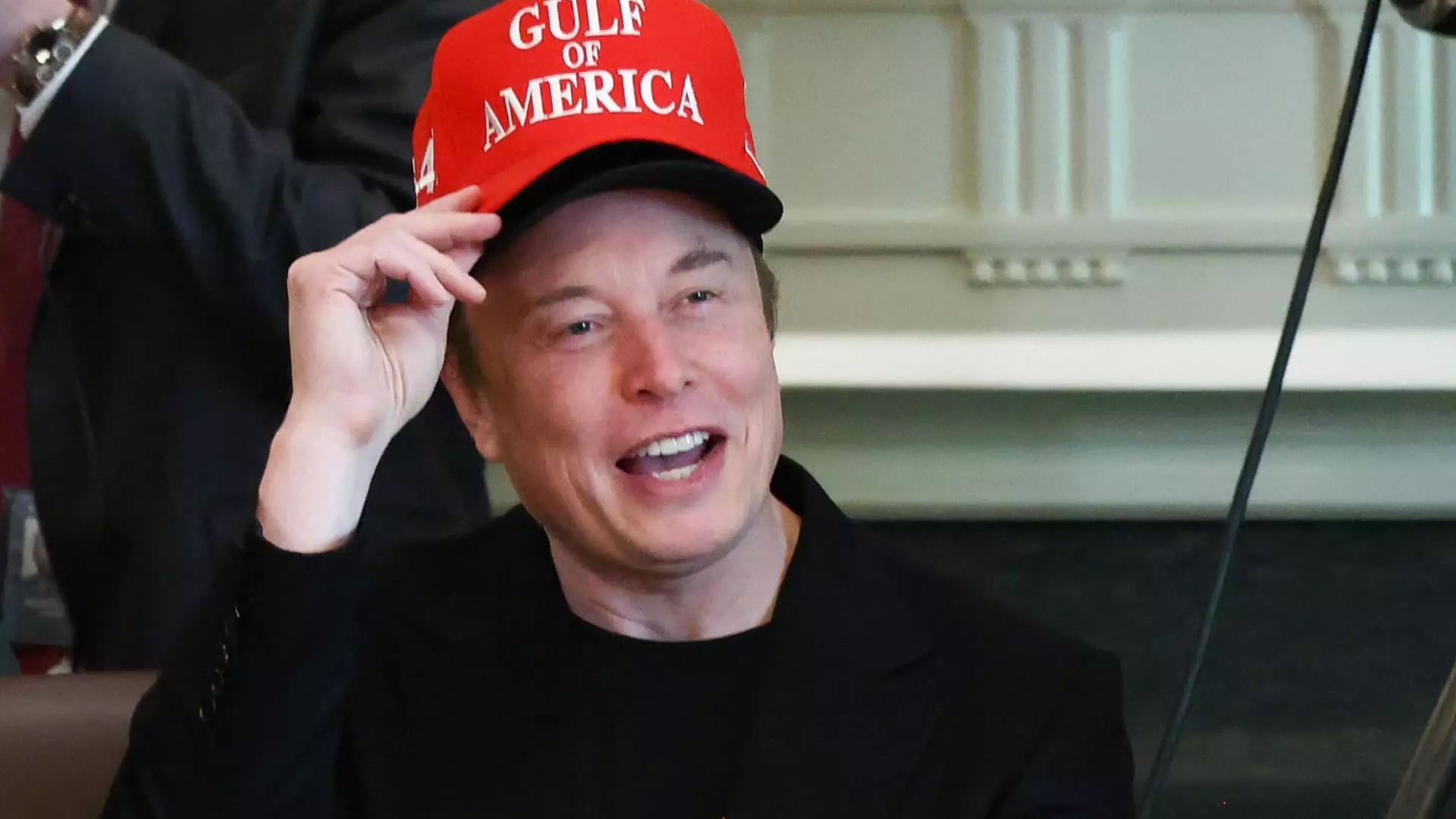
As Elon Musk concludes his unconventional tenure in the Trump administration, the implications of his role cannot be understated. Serving as the head of the Department of Government Efficiency, Musk’s mission to curtail federal spending has drawn both scrutiny and admiration. His uniquely positioned role as a “special government employee” allowed him a limited but impactful window to influence policy for 130 days. This stint has been marked by Musk’s commitment to his initiative, aptly dubbed the DOGE mission, which he believes will grow into a fundamental aspect of governmental operations. However, his blend of entrepreneurship with public service raises questions: Can the private sector effectively guide public policy, or do such ventures ultimately lose their way amidst bureaucratic entanglements?
Critiques and Challenges in the Administration
Musk’s tenure has not been without its challenges. His criticism of President Trump’s proposed spending bill serves as a stark reminder of the complexities of his role. While aiming to trim government expenditure, Musk finds himself at odds with a legislative agenda that undermines his efforts. In a forthcoming CBS interview, he articulated his concerns, arguing that the spending plan contradicts the very principles of efficiency he sought to champion. This situation highlights a critical tension within the administration—where the goals of an innovator clash with the traditional machinations of governance.
Focus on Business: A Return to Roots
Now, as Musk shifts his gaze back to his business ventures, including Tesla, SpaceX, and his artificial intelligence startup, the question remains: How will this transition influence his ongoing projects? Previously, Musk dedicated significant time to the DOGE initiative, often working every day of the week. As he now intends to reduce his focus on government affairs, one has to wonder how this will impact his businesses, particularly in an era where the electric vehicle market and AI advancements are rapidly evolving. His pledge to maintain a presence at the White House, albeit limited, suggests a lingering interest in public service, though it may morph into a more advisory capacity rather than a hands-on role.
Legal Implications and Corporate Governance
Musk’s involvement in government has also generated legal risks, with accusations surfacing that question his compliance with federal laws during his time leading DOGE. These legal battles could not only tarnish his reputation but also interfere with the operations of his businesses. Additionally, the pressure from pension fund leaders urging Tesla’s board to mandate Musk’s commitment of at least 40 hours a week underscores the delicate balancing act he faces between his extensive responsibilities and the perceived need for oversight.
Musk’s exit from the government is not just a personal transition; it marks a critical juncture for both his businesses and his public engagement. With a paradoxical blend of innovation and bureaucracy, his legacy within the government will be closely watched, raising fundamental questions about the intersection of private enterprise and public policy. The dynamic nature of Musk’s career may yet continue to surprise, signaling that his departure is not an end, but rather a pivot point that could redefine his role in both the corporate and political arenas.
Leave a Reply