
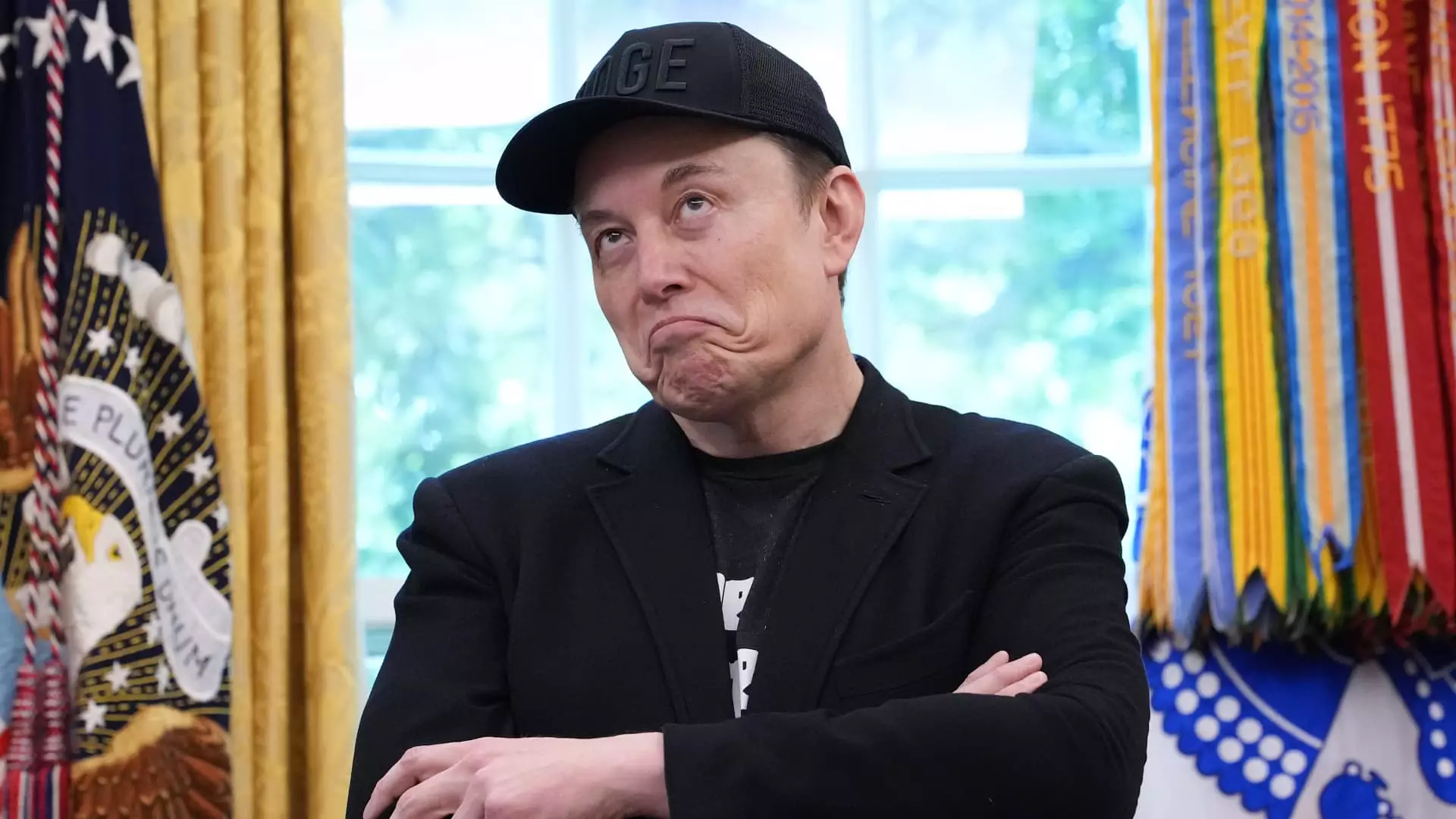
In recent months, Elon Musk has egregiously positioned himself as a vocal critic of government spending that prioritizes short-term gains over long-term sustainability. His outspoken stance against the recent U.S. government legislation exemplifies his desire to influence policymaking, especially when it potentially threatens the growth of sustainable industries like renewable energy and electric vehicles. Musk’s vocal opposition underscores a fundamental debate: should innovation be hindered by fiscal conservatism or propelled forward by aggressive investment? Musk clearly advocates for the latter, viewing government policies that roll back support for clean energy and EV incentives as setbacks, and his public warnings—whether calling a bill the “DEBT SLAVERY bill” or criticizing budget excess—signal his intention to shape public discourse in favor of long-term technological advancement.
Fiscal Responsibility or Political Short-Sightedness?
The recent legislative act, which narrowly passed through Congress, has ignited a fierce debate around fiscal discipline and its relationship to innovation. Critics argue that massive spending and tax cuts foster economic growth, while opponents like Musk and Sen. Rand Paul warn about spiraling deficits and unmanageable debt. The Congressional Budget Office’s projection of a $3.4 trillion increase in national debt over ten years further fuels this concern, painting a picture of a nation risking financial stability to fund short-term political victories. From Musk’s perspective, such prioritization is a reckless gamble—one that could stifle innovation by diverting resources away from research, clean energy initiatives, and technological development. His rhetoric reflects a broader frustration with politicians—who often chase immediate popularity rather than sustainability, risking the future for fleeting applause.
The Impact on Clean Energy and Technological Progress
Perhaps the most personal aspect of Musk’s critique relates to the bill’s rollback of environmental subsidies. As a pioneer in electric vehicles and renewable energy, Musk has a vested interest in maintaining government support for green technologies. The bill’s cuts to tax credits for solar, wind, and EVs are viewed by Musk as direct assaults on the progress of combating climate change. Such policies threaten to pull the rug out from under the very industries he has championed, potentially prolonging our reliance on fossil fuels. This opposition signals a larger ideological battle—should economic policies favor the disruptive growth of sustainable technologies, or prioritize fiscal austerity that might slow down innovation? Musk’s stance suggests he believes in the former, emphasizing that long-term environmental solutions are incompatible with short-term political expediencies.
The Political Fallout and Market Response
The bitter feud between Musk and political figures, especially Donald Trump, illustrates the emotional and strategic stakes involved. Musk’s public jabs, such as denouncing the legislation, have not only shaped public opinion but seem to influence market sentiment. Following reports of disagreement with Trump, Tesla’s shares took a substantial hit, indicating investor concern about political instability affecting business prospects. While the stock has recovered some losses, the incident highlights how intertwined corporate success and political credibility have become. Musk’s vocal activism demonstrates that industry leaders are increasingly willing to challenge government policies—not merely for corporate gain but to safeguard long-term innovation and societal progress, even if it triggers market volatility.
By critically analyzing Musk’s stance against short-term political maneuvers, it’s evident that he champions a future where technological innovation and sustainable development are prioritized above immediate fiscal goals. His rhetoric underscores a broader call to rethink how governments balance economic growth with responsible investment in the future—warning that neglecting this balance could compromise the progress of industries vital to our collective well-being.
Leave a Reply