
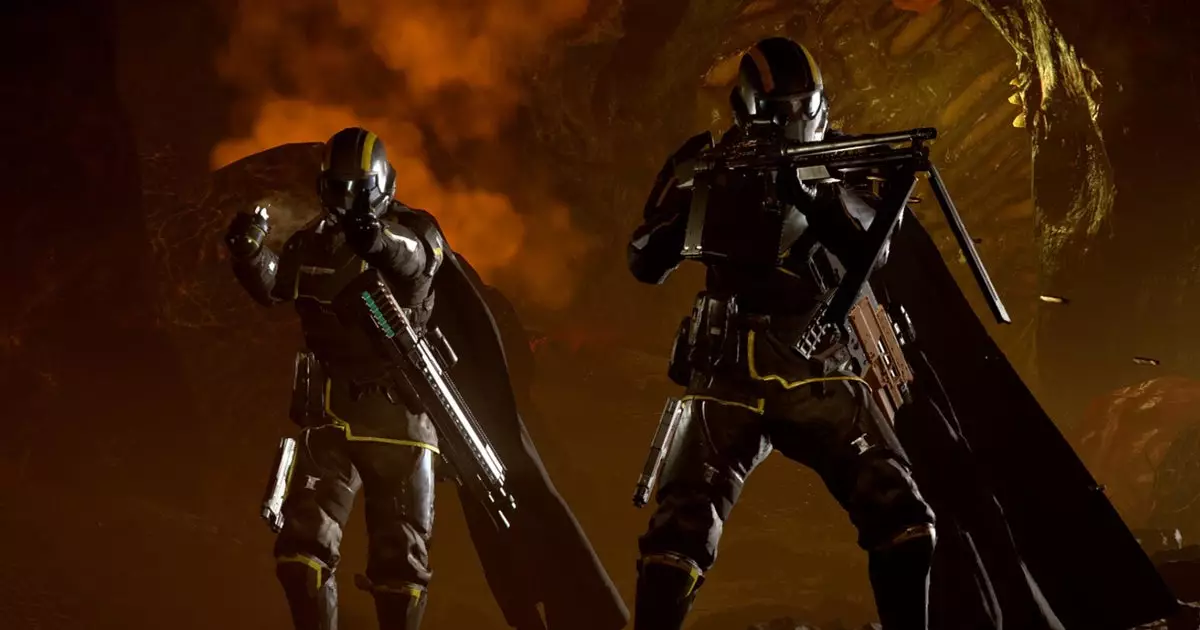
In the ever-evolving universe of Helldivers 2, developers at Arrowhead Studios are demonstrating a rare blend of humility and decisiveness that signals a commitment to delivering a polished experience. The decision to temporarily withdraw the problematic Rupture Strain enemies reveals a studio willing to make tough calls in response to player feedback and technical hurdles. Far from being a sign of weakness, this proactive approach underscores the importance of quality assurance in AAA-quality live service games that operate under complex network conditions and unpredictable AI behaviors. It’s a reminder that even highly anticipated releases are susceptible to glitches and imbalances, and acknowledging these issues publicly is a mark of integrity that players should appreciate.
Challenging the Overpowered: A Necessary Recalibration
The Rupture Warriors’ sudden dominance upon entering the game world exposed a fundamental flaw in the game’s balancing algorithms. Initially, these enemies were a thrilling new threat, but their ability to emerge explosively and wipe out players en masse tipped the scales into frustration. Their sheer lethality made encounters less about strategy and more about surviving an onslaught that felt unfairly stacked against players. Arrowhead’s subsequent patches attempted to mitigate these issues, but the changes inadvertently distributed the damage unevenly across parties, creating a new wave of discontent. This kind of balancing conundrum highlights the fragility of live game ecosystems—tweaking a single element can cascade into widespread dissatisfaction. The developers’ choice to pull the units offline temporarily is thus an act of responsible management, prioritizing long-term gameplay health over quick fixes.
Technical Twists and the Bigger Picture
The underlying technical issues, specifically network-related bugs impacting the Rupture enemies’ behavior, add another layer of complexity. In multiplayer games, synchronization is vital, and when it fails, the entire experience can become unpredictable. Arrowhead’s acknowledgment that the host-focused quirks stemmed from a network problem reveals a mature understanding of the game’s architecture. Addressing it required more than superficial tweaks; it called for a deep dive into core systems. While the delay might inconvenience some players, it’s vital to recognize that the foundation of a balanced multiplayer experience hinges on stability. This moment serves as a valuable lesson about the interconnectedness of game design, network infrastructure, and user satisfaction.
Embracing Transparency as a Development Philosophy
One of the most commendable aspects of Arrowhead’s handling of the crisis is their transparent communication with the community. By openly discussing the issues, sharing timelines, and explaining their rationale, the studio builds trust amid chaos. This transparency not only reassures players that their concerns are heard but also sets a precedent for responsible game management. It signals that the developers respect their audience enough to admit when things aren’t perfect and to take corrective action. Such honesty fosters a collaborative atmosphere, encouraging players to offer constructive feedback rather than frustration, which can accelerate problem-solving.
Looking Ahead: The Promise of a More Balanced Experience
The five-week hiatus for the Rupture Strain enemies is an optimistic pause—not a setback. It’s a chance for Arrowhead to refine these adversaries so that they provide a challenge that’s engaging, fair, and fun rather than infuriating. When these enemies return, players can expect a more calibrated threat, one that tests their skills without feeling unjust or overwhelming. This iterative process embodies the essence of game development: listening, adjusting, and evolving based on real-world gameplay data and community input. It’s a bold move that, while disruptive in the short term, promises long-term gains for the game’s overall quality and longevity.
In the fiercely competitive landscape of multiplayer shooters, Arrowhead’s decisive intervention demonstrates a mature understanding that excellence is built through iterative refinement. Their willingness to confront issues head-on, communicate openly, and prioritize a balanced gameplay experience illustrates how developers can earn enduring player trust. The coming weeks will be pivotal, but this period of recalibration might ultimately redefine Helldivers 2’s standing as a resilient and player-focused title.
Leave a Reply