
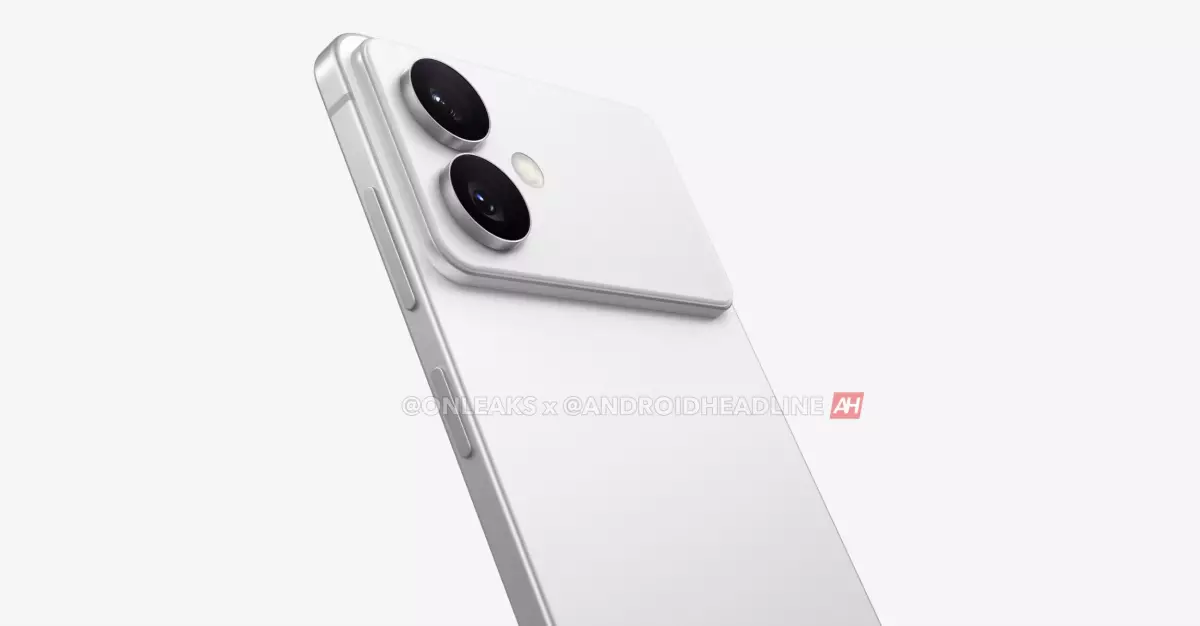
In recent years, the smartphone industry has undergone a dramatic transformation. Manufacturers are no longer satisfied with clunky, utilitarian designs; instead, they are striving for sleekness, minimalism, and a sense of sophistication. The leaked render of the upcoming Galaxy S26 Edge exemplifies this trend, showcasing a device that mirrors the aesthetic philosophy of premium flagship models like the iPhone 17 Pro. While it may seem like a superficial copycat at first glance, this design shift signals a deeper commitment to user experience—combining form and function seamlessly.
What’s particularly compelling about the S26 Edge is its ultra-slim profile, reportedly measuring just 5.5mm in thickness, with an added 10.8mm when accounting for the camera bump. This push toward thinner devices doesn’t just reflect a quest for elegance but also an acknowledgment of global demand for portability without sacrificing power. The move away from protrusive triple-camera islands towards a more minimalist rear housing shows a focus on reducing visual clutter, creating a more aesthetically pleasing and modern silhouette.
Innovation in Camera Technology and User Experience
The camera design is a critical aspect of modern flagship phones, and Samsung’s rumored shift to a dual-lens setup housed in a prominent bar represents both a stylistic and strategic decision. This departure from the traditional vertically-aligned triple cameras indicates a desire to streamline the device’s appearance, aligning with trends popularized by Apple and Google. However, such trends often raise questions about whether design choices compromise functionality or photography capabilities.
Interestingly, the move to a more integrated, less intrusive camera module hints at Samsung’s intent to prioritize user comfort and sleekness above overt camera bulges. Moreover, the proposed inclusion of built-in magnets for Qi2 wireless charging aligns Samsung with the latest industry standards, effectively enhancing convenience for users who value seamless power management. These features suggest that Samsung isn’t just copying competitors but is actively refining its flagship offerings to deliver a more cohesive, user-centered experience.
The Future of Premium Design: A Battle of Aesthetics and Innovation
As the industry heads into 2025, it’s clear that the battleground for the most innovative and attractive smartphones is intensifying. Samsung’s apparent design evolution demonstrates a strategic move to integrate more sophisticated aesthetics, borrowing elements from rivals while maintaining core brand identity. The possibility that Samsung might unveil its refined design before Apple adds a layer of intrigue to the ongoing competition, pushing both companies toward ever more daring innovations.
This rivalry fuels a cycle where aesthetics and features evolve in tandem—a phenomenon that ultimately benefits consumers, who gain access to devices that are not only powerful but also beautifully crafted. Yet, it is crucial to question whether these design trends are sustainable or merely fleeting fads. The focus on ultra-slim profiles and minimalistic camera setups must be balanced against durability and functional robustness. Only time will tell if these aesthetic ambitions translate into genuinely meaningful innovations or if they constitute superficial updates.
Ultimately, the future of flagship smartphones seems poised to favor a blend of sleek design and advanced technology, challenging preconceived notions of what a powerful device should look like. The Samsung Galaxy S26 Edge is set to symbolize this shift—an emblem of bold aesthetic choices and relentless pursuit of excellence. Whether it surpasses or falls short of expectations will reveal much about the industry’s priorities moving forward.
Leave a Reply