
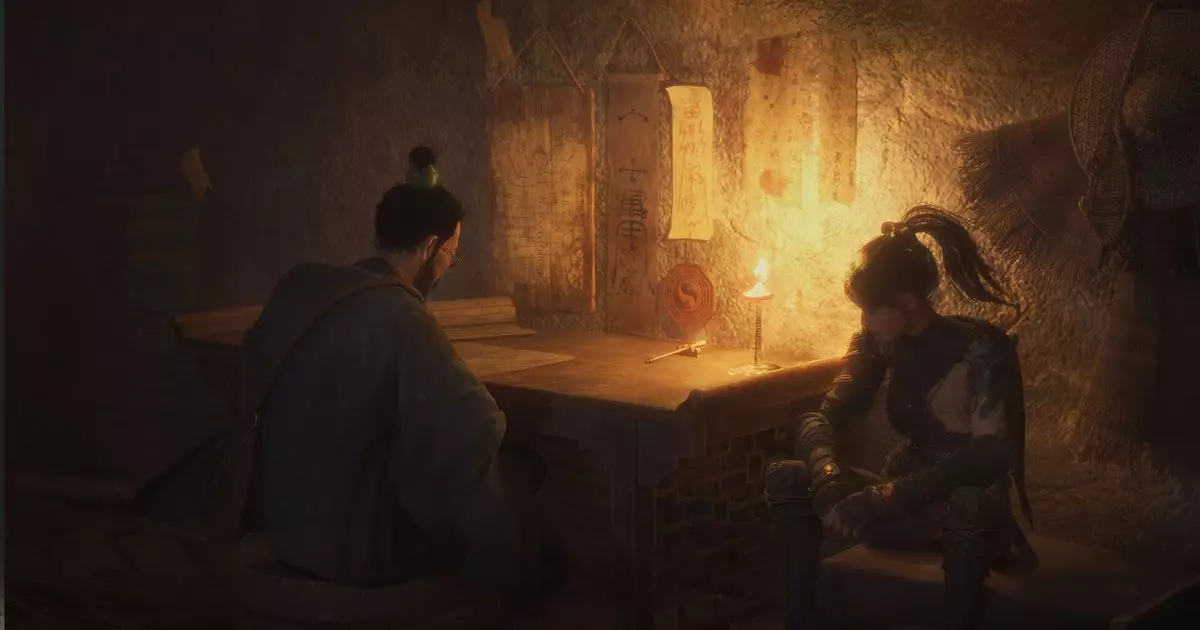
In the evolving landscape of video games, the line between developer intent and player agency is becoming increasingly blurred. Recent developments in titles like *Wuchang: Fallen Feathers* exemplify this tension. When a developer releases a patch that significantly alters gameplay—sometimes transforming core challenges or narrative elements—it often ignites a debate about the purpose of games: should they be defined solely by their creators, or should players have the freedom to shape their experience? The community’s response to such changes underscores a fundamental desire for autonomy, highlighting how modding communities are vital for safeguarding players’ rights to customize their experience.
The *Wuchang* patch 1.5 is a case study in this dynamic. While originally intended to perhaps modernize or balance the game, it inadvertently— or perhaps deliberately— made several of the game’s critical bosses unkillable, significantly diminishing the game’s challenge and narrative immersion. In doing so, the developers compromised not just gameplay mechanics but also the story’s integrity. This shift can be perceived as a form of censorship—where significant narrative elements are muted or altered—sparking frustration among players who value challenge and storytelling depth. The community stepped up with a resolute countermeasure: mods designed to revert the changes and restore the game to its former challenge level.
The Power and Limitations of Mods as Acts of Resistance
Mods act as a form of digital resistance, empowering players to reclaim control over their gaming experience. In *Wuchang*, a mod such as AVK95’s ‘Rollback censorship patch’ exemplifies this. Its straightforward goal—to undo the controversial boss behavior introduced in patch 1.5—serves as a testament to the community’s dedication to preserving original gameplay and storytelling. However, implementing such mods requires a certain level of technical savvy: disabling automatic updates, replacing files, and manually launching the game through specific executables. This process can be daunting, especially for casual players unfamiliar with file management or who use the more restrictive Steam environment.
Despite the technical hurdles, mods underscore a broader truth: players do not have to accept unfavorable changes passively. Instead, they can initiate their own solutions, advocating for their preferences within the constraints of current systems. This act of rebellion reveals the importance of community-driven content and the desire for games to be flexible, adaptable, and most importantly, respectful of their audiences’ wishes. However, the reliance on mods also exposes systemic issues—namely, the lack of built-in rollback features in many digital storefronts—highlighting a need for platforms to evolve and better serve player interests.
Developer Responsibility and the Future of Game Modding
The controversy surrounding *Wuchang* also raises questions about developer responsibility. When a patch diminishes essential gameplay elements or alters core narrative components, should developers listen to the community’s feedback or stand by their vision? In this instance, the absence of an official rollback or a more nuanced patch indicates a missed opportunity for dialogue. Instead, the player community’s act of creating and sharing mods becomes a form of indirect communication—a way to express dissatisfaction and demand more flexible approaches.
Looking ahead, developers must recognize that modding communities are not adversaries but allies. They serve as organic testing grounds for game longevity and player engagement. Companies that embrace this symbiosis—by offering official mod support or multiple versions of a game—can foster loyalty and create a more inclusive environment. Conversely, neglecting this aspect risks alienating core audiences who seek greater control over their gaming journey. The *Wuchang* incident illustrates how rigid, top-down changes can backfire, while empowering players creates a richer, more resilient ecosystem.
The recent stir over *Wuchang*’s patch highlights a pivotal theme in modern gaming: the need for balance between creator vision and player autonomy. As games continue to evolve beyond fixed narratives and static mechanics, the community’s role in shaping experience becomes ever more crucial. Whether through mods or formal developer-supported options, giving players the tools to customize their experience is an act of respect, a catalyst for innovation, and an essential safeguard against the overreach of unilateral changes.
Leave a Reply