In an era where cloud dependency is often seen as a double-edged sword, Google’s latest advancements in on-device artificial intelligence signal a groundbreaking shift toward greater privacy and immediacy. The new Gemini Nano model, embedded directly into devices, exemplifies how AI can operate seamlessly without tethering to distant servers. This transition not only guarantees faster processing but also reassures users about their data security. The privacy-centric design eliminates continuous data transmission to the cloud, ensuring sensitive conversations—like voicemails—are kept strictly local. Such technological sovereignty empowers users to control their digital interactions actively, fostering trust in an increasingly interconnected world.
This on-device approach represents a profound statement about the future of AI-powered tools: efficiency and privacy can coexist, and perhaps even thrive together. As we entrust more of our daily activities to digital assistants, the importance of real-time, secure processing becomes undeniable. Google’s move to replace traditional voicemail with a more dynamic message system—taking the place of classic voice messages—is a perfect illustration. Users are now faced with a seamless choice: accept a smarter, more interactive message experience or stick with the conventional greeting and voicemail system. This shift hints at a broader trend—AI’s evolution from mere novelty to a vital, privacy-conscious extension of our communication landscape.
Transforming Multilingual Communication with Voice Synthesis
One of the most captivating enhancements introduced by Google is the ability to produce near-authentic voice translations during calls. Unlike standard translation apps that merely display text or read out translated words, Google’s AI takes it a step further by generating a synthetic voice that mimics the speaker’s tone and cadence. During a demonstration, a Google employee’s German speech was translated into English, with the AI producing an English voice that closely resembled his own, including tonal nuances. This creates a more natural and immersive experience for the listener, dramatically bridging language barriers.
While the technology isn’t yet flawless—occasionally slipping into a British accent during English translations—it vividly demonstrates where language translation is headed: toward more human-like communication. Such improvements have vast implications, from facilitating international business negotiations to enhancing everyday conversations between friends and family. Moreover, Google assures that this process is privacy-conscious; no audio data is stored or processed in the cloud, with all translation happening locally on the device. This prioritization of user privacy is a vital step forward, addressing concerns that often accompany powerful AI tools.
Personal Journaling and Daily Insights Enhanced by AI
Google’s introduction of a personal journaling app indicates a shift toward integrating AI more intimately into our mental and emotional landscapes. Unlike traditional journaling apps, Google’s version prompts users based on their initial preferences, encouraging reflection with intelligent suggestions. After each entry, the app provides insights—highlighting trends or changes in mood—augmented by emoji tags that visualize overall tone over time. Such features foster self-awareness and mental wellness, transforming a mundane activity into a valuable source of personal growth.
The app’s security measures—like pin or passcode protection—are essential in normalizing digital journaling as a safe practice. More importantly, Google seeks to make this process more engaging and less burdensome through AI-generated reflections, offering users meaningful feedback on their mental health journey. As digital wellness becomes an increasingly prioritized subject, this AI-powered journaling tool offers a glimpse into a future where personal data collection is balanced with genuine privacy considerations, ensuring users feel secure while gaining valuable insights.
Smart Daily Management and Wearable AI Integration
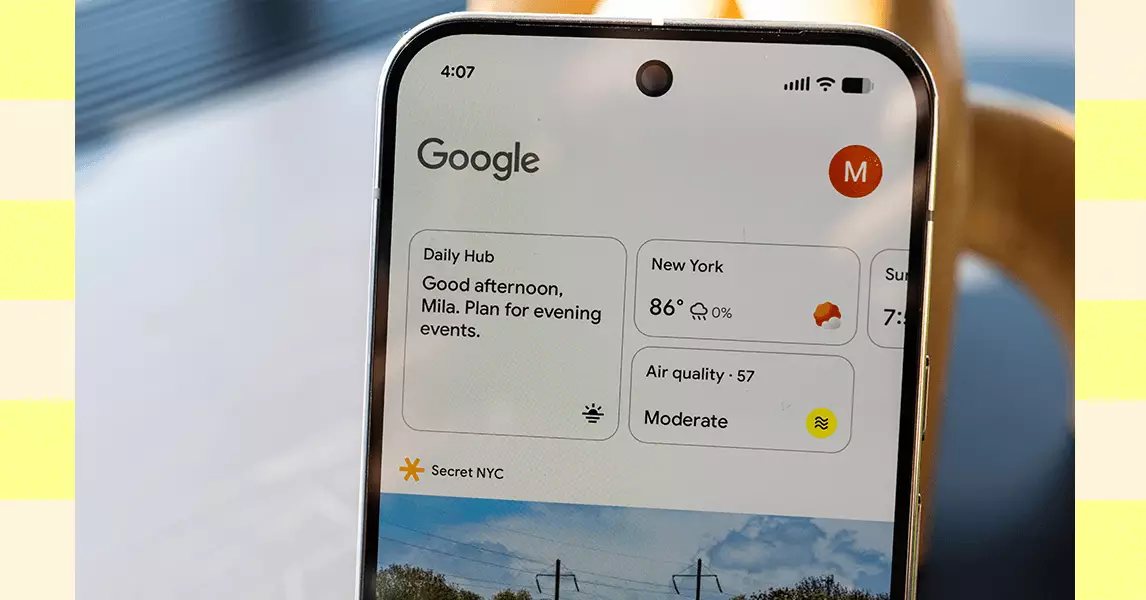
The introduction of features like Google’s Daily Hub, reminiscent of Samsung’s Now Brief, marks a subtle yet powerful evolution in how AI integrates seamlessly into daily routines. Embedded into the Google ecosystem, it provides quick glances at upcoming events, reminders, and personalized activity suggestions—all within a glanceable interface on the home screen or Google Discover. This design prioritizes simplicity and non-intrusiveness, making the AI assistant a natural extension of the user’s day rather than an obtrusive intrusion.
On the hardware front, the Pixel Watch 4 exemplifies how AI is becoming more intuitive and effortless. With just a wrist raise, users activate the Gemini-powered assistant, eliminating the need for voice commands or manual activation. This gesture-based interaction signifies a quiet revolution in wearable AI: it’s always “on,” ready to assist, and remarkably natural. The evolution of Gemini on Wear OS underscores a broader narrative—AI is transforming from a command-based tool into a genuinely conversational partner that understands context and nuance.
As AI continues to evolve within smartwatches, tablets, and phones, the limits of natural language understanding are pushed farther. The ability to ask simple, conversational questions—like summarizing an email or recommending a wine pairing—demonstrates that we are inching closer to devices capable of truly understanding and anticipating our needs. Google’s innovations, reinforced by cutting-edge privacy measures and highly integrated hardware features, suggest a future where AI becomes as intuitive and personal as a trusted friend, seamlessly weaving into every aspect of our digital lives.
Leave a Reply