
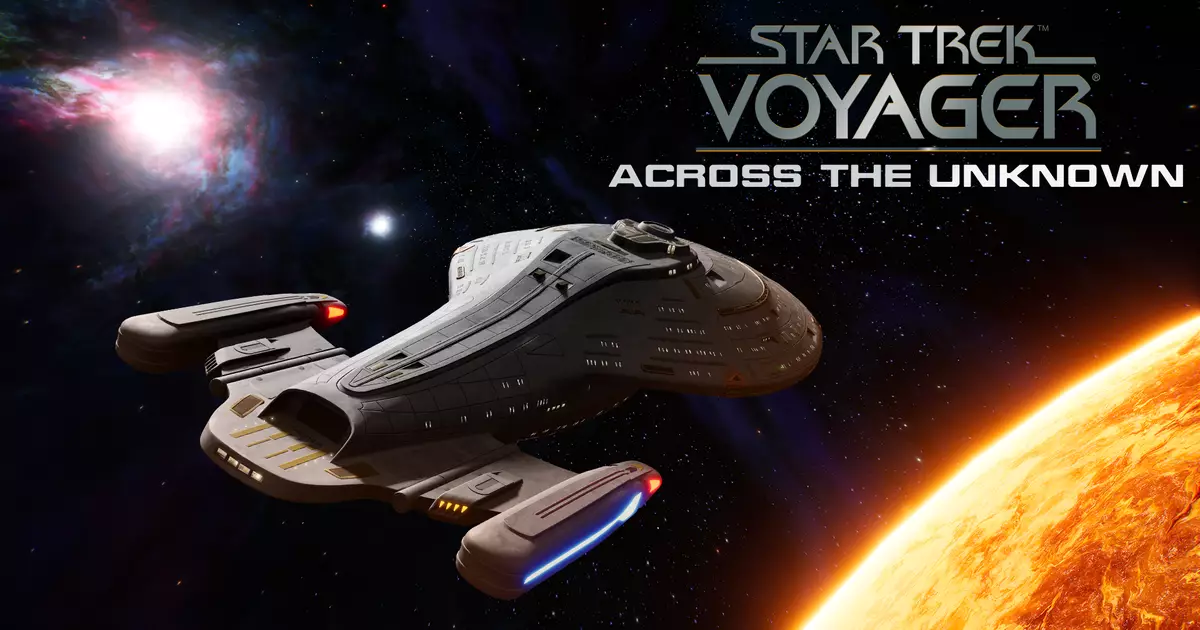
The announced adaptation of *Star Trek: Voyager* into a story-driven survival strategy game is an ambitious step that seeks to merge nostalgic reverence with fresh gameplay mechanics. Unlike traditional space simulators or narrative-driven adventures, this game promises a hybrid experience that emphasizes meticulous management, moral ambiguity, and dynamic decision-making. Developers gameXcite, despite their peculiar branding choices, seem to aim to carve a niche within the beloved sci-fi universe by offering fans a chance to craft their own stories amid the perilous Delta Quadrant. Their approach suggests a desire to push beyond the boundaries of conventional *Star Trek* games, delivering an experience rooted in strategic depth and reactivity to player choices.
What is most compelling about this project is the promise of a mutable narrative landscape, where each run potentially rewrites the fate of the Voyager crew. This design choice capitalizes on roguelite elements, introducing unpredictability that heightens both tension and replayability. The notion that players can explore alternate scenarios—such as Janeway becoming Borg Queen or The Doctor assuming command—provides a tantalizing glimpse into what-if moments that only deepen the universe’s richness. This approach not only pays homage to the series’ complexity but also invites experimentation, encouraging players to rethink moral and tactical decisions without the fear of permanent loss, thanks to the procedural nature of the gameplay.
Balancing Nostalgia with Challenging Mechanics
The game’s visual style hints at a blend of charm and simplicity, with a dollhouse spaceship aesthetic and a HUD reminiscent of classic Star Trek bridge displays. While these artistic choices evoke nostalgia, they also serve a functional purpose, anchoring players in a universe they’ve known and loved, yet offering enough abstraction to support complex systems management. The inclusion of features such as ship resources, base building, and crew management reflects a strategic core that insists players think critically about their choices—be it diplomatic or aggressive—in order to succeed.
However, the game also introduces a level of gameplay abstraction that may alienate some fans. The depiction of navigation as a top-down 2D movement within solar systems resembles a scaled-back Mass Effect rather than the expansive, immersive exploration that fans may desire. This design choice could be seen as a missed opportunity to fully exploit the grandeur of the Voyager’s journey through the Delta Quadrant, instead reducing it to small, manageable segments that might feel disconnected from the epic saga.
Yet, where the game shines is in its away missions. The promise of customizing teams with iconic crew members—each with unique skills—injects a strategic layer that appeals to fans of tactical gameplay. Deciding whether to play it safe, rush enemies, or adopt scientific approaches ensures that no two missions are the same, fostering engagement and strategic thinking. Coupled with ship-to-ship combat mechanics, which involve assigning crew roles and targeting specific systems, the game attempts to encapsulate the core excitement of space battles while giving players meaningful control over the outcome.
Potential and Pitfalls of an Uncertain Release
One notable concern is the lack of a confirmed release date, which might dampen the initial enthusiasm. Despite this uncertainty, the game’s premise resonates strongly with fans yearning for more in-depth, interactive experiences set in Voyager’s universe. While the developers’ previous focus on Asterix adaptations does raise questions about their expertise in space simulation, it paradoxically underscores their potential to bring a fresh perspective if they manage to translate their creative energy into this genre.
Critically, the game’s success hinges on how well it can balance its strategic complexity with accessibility. Hardcore strategists will undoubtedly revel in the management mechanics, but casual fans might find the roguelite unpredictability and tactical intricacies overwhelming. The game risks alienating players who seek a straightforward adventure and instead offers a demanding experience that rewards meticulous planning, quick thinking, and adaptability.
In essence, *Star Trek: Voyager – Across the Unknown* promises to be more than just a game; it aims to be an interactive homage that redefines how fans can participate in the Voyager mythos. By blending nostalgia with innovative gameplay mechanics, it offers a tantalizing glimpse of a universe where every decision could lead to either salvation or catastrophe. Whether it becomes a staple or falters under weight of expectations will depend largely on how effectively it manages to navigate these ambitious design choices.
Leave a Reply