
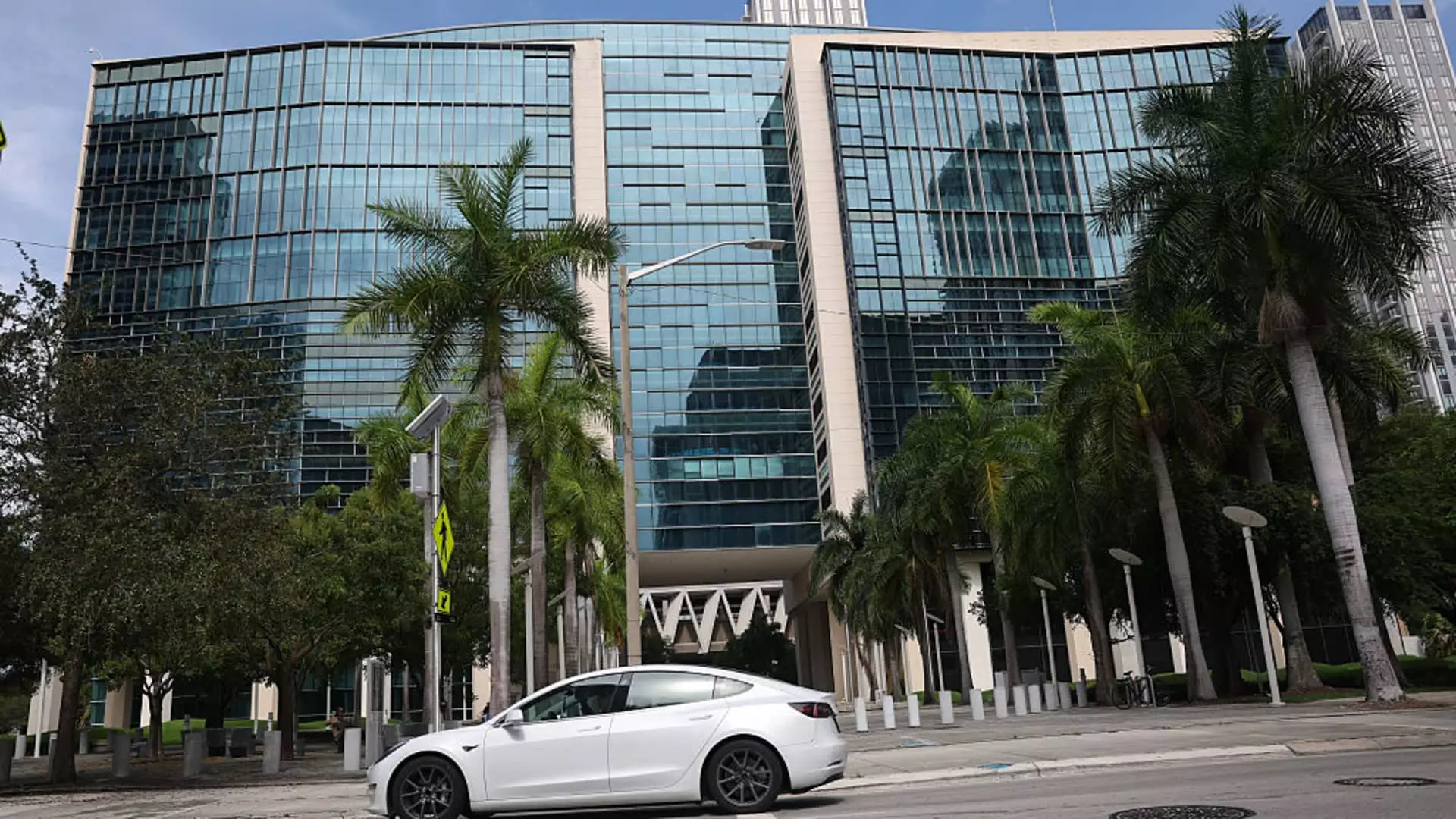
In the courtroom’s spotlight, Tesla faces a pivotal moment that could redefine the future of autonomous driving technology and corporate responsibility. The trial stemming from a deadly 2019 crash in Key Largo reveals much more than a tragic accident; it exposes the perilous gap between marketing claims and real-world safety of Tesla’s Autopilot system. For years, Tesla has promoted its driver-assist features as revolutionary, promising increased safety and convenience. Yet, the incident underscores a disturbing disconnect: Are these technological promises overly optimistic, or outright deceptive?
This case signifies more than just a legal battle over wrongful death and damages; it questions Tesla’s integrity and its portrayal of Autopilot’s capabilities. The plaintiffs argue that Tesla, under Elon Musk’s leadership, engaged in aggressive overstating of automation’s safety, effectively encouraging overreliance by drivers. When technology encourages complacency without appropriate safeguards, the consequences can be calamitous—as witnessed in this tragic crash. The attempt to hold Tesla accountable becomes an indictment of its corporate culture—one where profit and innovation potentially overshadow safety and truth.
The Dual Edges of Innovation and Negligence
Tesla’s Autopilot has always been a double-edged sword. On one side, it embodies the forefront of technological advancement, promising to reduce human error on roads and save lives. On the other, it raises profound doubts about whether current automation can genuinely replace attentive human oversight. The tragedy in Key Largo exposes this risk vividly: a driver believed that the system would brake for obstacles, yet it failed to do so when confronted with real-world driving complexities.
This incident forces us to scrutinize whether Tesla’s engineers and executives truly understood the limitations of their system or if they deliberately concealed them. The lawsuit’s allegations that Tesla knew of safety flaws but continued to market Autopilot aggressively points to a troubling pattern of prioritizing market share over safety. If true, this reveals a ruthless corporate ethos—one that dismisses the long-term consequences of deploying imperfect technology for quick financial gains.
Elon Musk’s Public Persona and the Truth Behind the Autopilot Narrative
Elon Musk’s charismatic leadership has been instrumental in elevating Tesla from an automaker to a visionary tech icon. However, this case sheds light on the dissonance between Musk’s public promises and the limitations of Tesla’s autonomous capabilities. Musk has repeatedly assured the world of “full self-driving” futures, fueling customer expectations and stockholder enthusiasm. Yet, the reality remains that current Autopilot systems require constant human oversight.
The contrast between Musk’s optimistic declarations and the court’s examination of real-world crashes suggests a potential misrepresentation—whether intentional or naive. It risks turning Musk’s visionary rhetoric into a narrative of recklessness, where overpromising leads to dangerous complacency. If the court finds Tesla guilty of misleading the public and stakeholders, it could symbolize a crucial shift in how corporate accountability is enforced for AI-driven innovations—making companies liable for safety claims that influence consumer trust and legal liability.
The Broader Implications for Society and Regulatory Oversight
This case is a litmus test for the future regulation of autonomous and semi-autonomous vehicles. Should Tesla be held accountable for the fatal crash, it might trigger a cascade of stricter oversight, mandating comprehensive safety standards and transparent testing protocols. The industry, and society by extension, must confront whether current regulatory frameworks are robust enough to handle the risks posed by increasingly autonomous systems.
Furthermore, this trial prompts a reflection on the societal pursuit of technological progress. Are safety concerns being sidelined in the race for innovation, or is there a need for a moral commitment that matches technological ambition? The death of Naibel Benavides and the injuries of others serve as stark reminders that technological advances must be paired with unwavering accountability. When profits are prioritized over safety, the entire premise of auto-industry innovation risks collapsing into tragedy and mistrust.
As the courtroom proceedings unfold, the outcome could set a precedent—either reinforcing the accountability of automakers or allowing technological hubris to continue unchecked. The weight of this case extends beyond a single incident; it challenges our societal values and the integrity of technological promises made by industry giants. Whether Tesla is found liable or not, this trial marks a crucial moment in defining the responsible development and deployment of autonomous vehicle technology.
Leave a Reply