
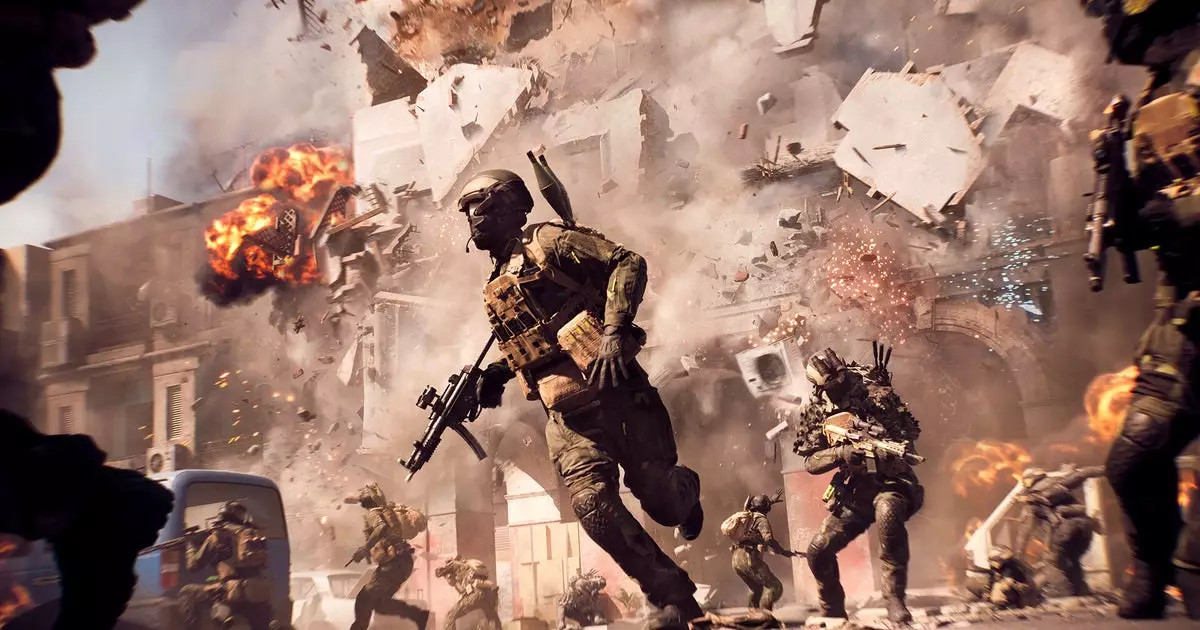
The recent reveal of Battlefield 6 has sparked intense discussions across gaming communities, and for good reason. While the spectacle of the trailer and gameplay footage dazzled viewers, the real breakthrough is the transparency regarding system requirements. For years, gamers have faced the frustrating ambiguity of whether their PCs could handle the latest blockbuster. EA’s decision to share minimum and recommended specifications is a bold step forward, offering players a realistic view of what to expect.
The minimal specifications are surprisingly accessible, especially for a AAA multiplayer shooter. A modest Intel Core i5-7600K or AMD Ryzen 3 1200 paired with 16GB of RAM, an Nvidia RTX 2060 or AMD Radeon RX 5600 XT 6GB, and at least Windows 10 provide the baseline. This means that most gamers with a system built within the last five years may not need an urgent upgrade just to run Battlefield 6. However, the critical question remains: what does “minimum” actually translate to in terms of gameplay experience? Will players be relegated to low settings with sluggish frame rates, or will this hardware suffice for a smooth, engaging experience? EA’s vague language about performance leaves room for interpretation.
On the flip side, the recommended specs pave the way for a more satisfying and visually immersive experience. An Intel Core i7-10700 or AMD Ryzen 7 3700X, 16GB of RAM, a robust SSD of at least 80GB, and cards like the Nvidia RTX 3060 Ti or AMD RX 6700-XT promise a more enjoyable ride. Yet, without explicit frame rate or resolution targets, gamers are left guessing whether these specs mean high settings at 60 FPS or higher—an ambiguity that could affect purchasing decisions. Nevertheless, the overall message is positive: Battlefield 6 aims to be more inclusive in terms of hardware requirements, potentially broadening its reach.
Account and Platform Policies: Navigating the Ecosystem
A recurring headache for PC gamers has always been the hassle of multiple launchers and account management. EA’s release clarifies that Steam users will enjoy the fortunate benefit of avoiding the necessity of launching through the EA app. This could mitigate the frustration of toggling between different platforms or managing multiple accounts. Instead, Steam players will only need their EA account to play Battlefield 6, streamlining the process and reducing barriers to entry.
In stark contrast, Epic Games Store buyers face a more cumbersome process. They will need both the EA app and an EA account, adding extra steps and potential points of failure. This differentiation fuels ongoing debates about platform exclusivity and user convenience. What’s more, the requirement of an EA account—regardless of the platform—underscores EA’s continued reliance on its proprietary infrastructure. While some players may begrudge the additional account signup, others might see it as a necessary evil in today’s multiplayer landscape.
What remains unaddressed in EA’s communication is whether players will eventually have the option to preload the game or if there will be server bottlenecks at launch. With multiplayer titles notorious for launch day bugs and server issues, players would do well to temper expectations. Historically, Battlefield’s launches have been rocky, and the lack of detailed performance metrics only amplifies concerns.
Making Sense of Battlefield’s Accessibility and Learning Curve
Perhaps one of the most interesting statements from EA is that “you do not need to have played any other Battlefield game to understand or enjoy Battlefield 6.” This appears to be a strategic move to welcome newcomers, easing entry into the franchise. However, the statement’s vagueness invites scrutiny. Does it imply that the game’s mechanics are fundamentally straightforward, or is EA deliberately avoiding discussing complex gameplay elements?
It’s worth noting that Battlefield games are renowned for their large-scale battles, team-based strategies, and dynamic environments. While EA’s reassurance might reduce intimidation for new players, it does little to address whether veterans will find the same depth and complexity they’ve come to expect. In essence, EA seems to be positioning Battlefield 6 as a user-friendly experience, broadening its appeal—perhaps at the risk of alienating core fans craving more intricate gameplay.
Furthermore, dismissing the importance of prior knowledge of Battlefield’s universe risks trivializing a rich multiplayer history. Games like Battlefield thrive on their tactical depth and community engagement—elements that don’t necessarily fade just because the game itself is accessible. Whether EA’s approach will satisfy both new and seasoned players remains to be seen.
Battlefield 6’s strategic transparency around hardware, platform compatibility, and user accessibility signals a notable shift in EA’s approach to game launches. The game seems poised to attract a wider audience, potentially redefining what gamers expect from large-scale multiplayer shooters. While details remain scarce, it’s clear EA is attempting to balance inclusivity with performance, offering hope for a smoother, more welcoming battlefield experience—if only they deliver on that promise amidst the inevitable chaos of launch day.
Leave a Reply