
Mountain rescue missions have historically been labor-intensive and time-consuming endeavors that test the endurance, skill, and patience of rescue teams. When a hiker is lost in vast and rugged terrains, relying solely on human observation can lead to prolonged search times spanning weeks or even months. This traditional approach often involves ground crews combing through challenging landscapes, analyzing countless photographs, or deploying drones with human operators meticulously scanning for signs of the missing person or their belongings. Such efforts are not only physically demanding but also often hindered by environmental complexities like dense vegetation, erratic weather patterns, and difficult topography.
The core problem with human-based efforts is their inherent limitations in speed and accuracy. Human eyes, despite their remarkable adaptability, can overlook subtle cues amidst complex backgrounds. The vastness of a 183-hectare mountain area makes exhaustive visual searches nearly impossible within reasonable time frames, especially when combined with adverse weather, low visibility, or the fatigue factor among rescue personnel. The consequence is that critical time can be lost, which might mean the difference between life and death or, in tragic cases, the complete loss of the missing individual.
Revolutionizing Search and Rescue with Artificial Intelligence
The integration of artificial intelligence (AI) into search and rescue (SAR) operations fundamentally shifts this paradigm. Instead of spending weeks or months, rescuers can leverage AI-powered analysis to drastically cut down search times—sometimes to a matter of hours or even minutes. The recent successful recovery of a hiker’s helmet on Monviso serves as a compelling example of this technological breakthrough in action.
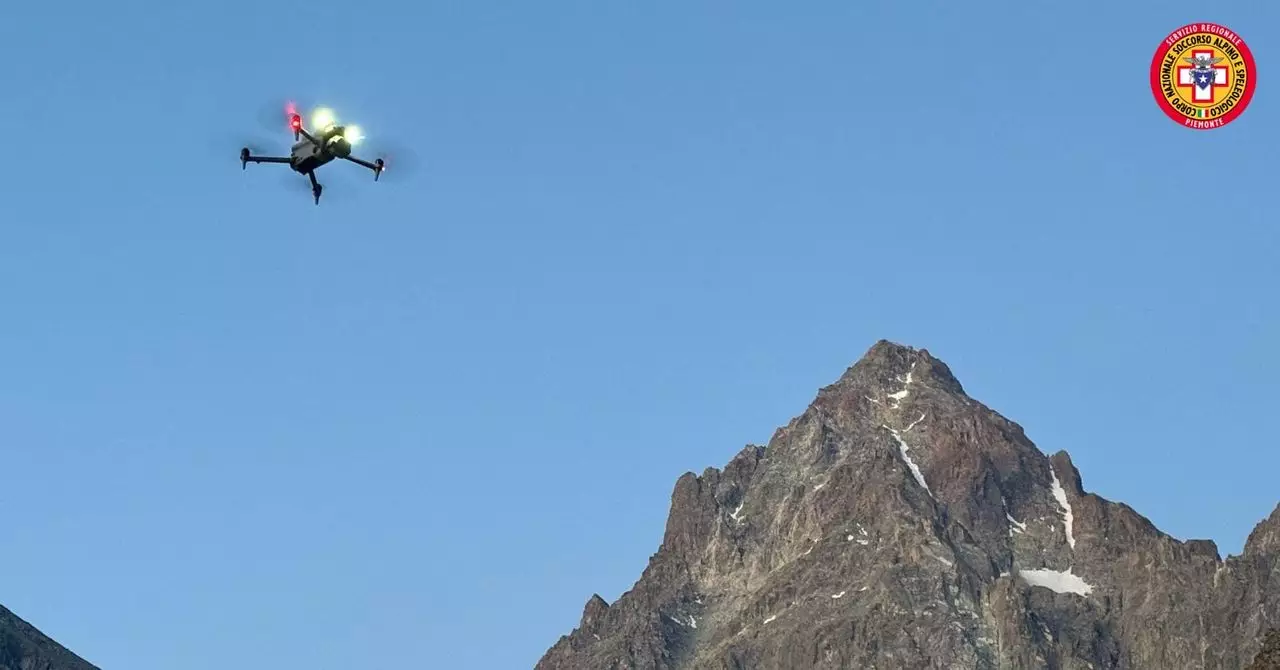
In this operation, two drones captured thousands of images over the course of a few hours, sampling the terrain from approximately 50 meters above. Rather than manually scrutinizing each frame—an insurmountable task—rescue teams employed AI software that scanned the images for anomalies. The AI meticulously analyzed hundreds of thousands of pixels across multiple frames, detecting a slight variation in color that human eyes might overlook: a helmet, in this case. The software not only identified the suspicious pixel clusters but also prioritized these findings for human review, creating a narrow, targeted set of potential clues for the rescue team to investigate.
This approach reflects the essence of AI’s transformative potential: augmenting human capabilities rather than replacing them. The software’s ability to process vast quantities of visual data efficiently means that what previously took weeks—if not months—can now be accomplished in a single afternoon. The rapid turnaround between image capture, analysis, suspicion identification, and subsequent rescue actions has already proven to be a game-changer. In the case of Nicola Ivaldo’s recovery, AI technology enabled the rescue team to locate and recover remains at an altitude of over 3,150 meters, a feat that would have been virtually impossible without such assistance.
Efficiency, Precision, and the Future of Mountain Rescues
The broader implications of AI integration in mountain rescue extend far beyond a single successful operation. It signifies a move towards more efficient, precise, and safer rescue missions worldwide. The synergy between advanced drones, AI software, and well-trained rescue teams results in a level of operational efficiency that was once unthinkable. Drones equipped with AI capabilities can map terrains, identify objects with high accuracy, and even predict potential search areas based on environmental data and previous incidents.
Moreover, the collaboration between human experts and AI systems underscores a vital aspect of modern rescue efforts: technology enhances human intuition and experience rather than erodes them. Experienced mountain rescuers provide contextual understanding and decision-making based on nuanced environmental cues, while AI handles the heavy lifting of data processing. This partnership creates a powerful force capable of addressing the complex challenges of mountain rescues swiftly and effectively.
As drone technology and AI algorithms continue to advance, there is a compelling argument that search and rescue protocols will become standard practice across various terrains globally. The potential to save lives—and to recover human remains with dignity and speed—positions this technological shift as a moral imperative for rescue organizations. While challenges such as weather dependency and the need for specialized training remain, the overarching trajectory is clear: AI-driven rescue operations will be the cornerstone of future mountain safety strategies.
In sum, the integration of AI into mountain rescue operations exemplifies how embracing innovation can significantly enhance human efforts. It paves the way for a future where rescue missions are faster, safer, and more effective—offering hope to the families of the lost and reassurance to rescuers who dedicate their lives to these dangerous missions. It is no longer a question of *if* technology will transform rescue operations but *when*—and that moment is already upon us.
Leave a Reply