
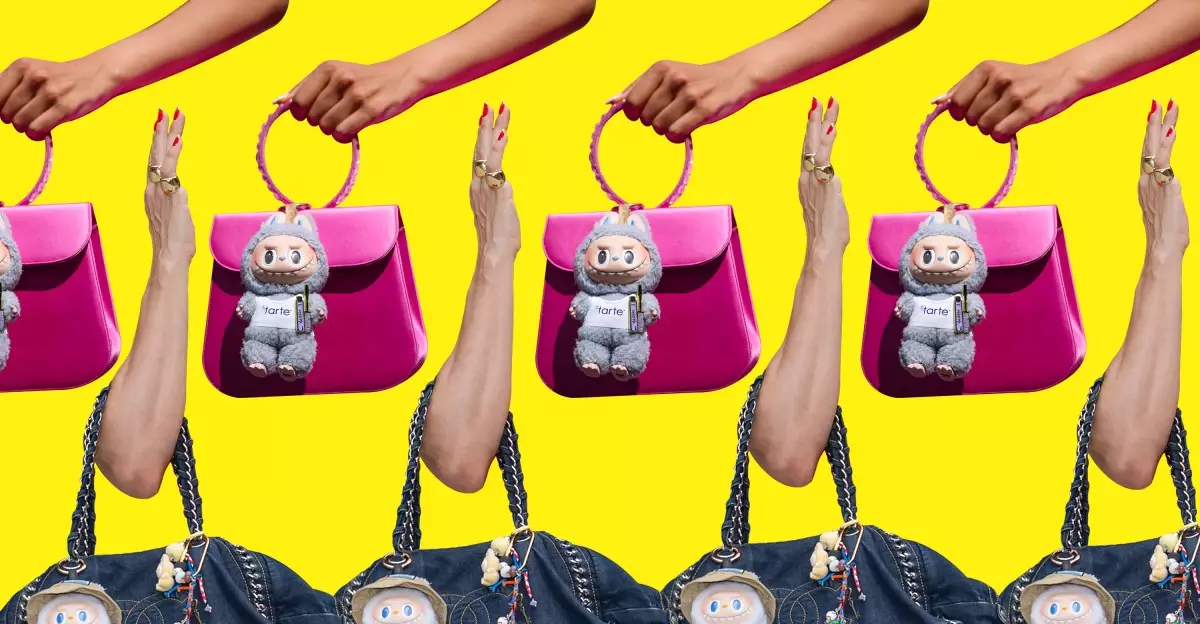
In recent years, the phenomenon of chasing elusive collectibles has evolved into an intense digital spectacle. Labubu toys, with their captivating yet unpredictable nature, exemplify this trend perfectly. What begins as a simple desire for a cute figurine quickly morphs into a high-stakes game of patience, strategy, and luck. The online process to obtain a Labubu transforms mundane shopping into an adrenaline-fueled challenge resembling a nightmarish treasure hunt rather than a casual purchase. This obsession taps into a primal human instinct: the thrill of victory against all odds. The frustration of missing out and the joy of finally confirming a win create emotional highs that are almost addictive.
What makes this dynamic fascinating is how the pursuit overshadows the actual product. Buyers are less invested in the toy itself and more drawn to the process of obtaining it. The journey, packed with obstacles and tiny victories, becomes a spectacle of perseverance that amplifies the perceived value of the item. The process reveals a deeper truth about consumer behavior in the digital age: scarcity combined with an element of gamification creates a form of entertainment as compelling as the toy itself.
The Digital Labyrinth: Navigating an Overly Complicated Purchase System
The experience of buying a Labubu vividly illustrates how modern retail has morphed into a competitive sport rather than a straightforward transaction. Pop Mart’s meticulously designed online release system is riddled with obstacles, turning what should be an easy click into a labyrinthine challenge. The site displays limited stock in a way that only the fastest or most prepared can hope to succeed, encouraging a frantic, almost gaming-like approach. Seconds count, and every failed attempt fuels frustration, yet also heightens anticipation for the next shot.
This elaborate digital dance is deliberately choreographed to heighten consumer engagement, though it arguably crosses into cruelty. The constant refreshing, the timing of the releases, the tips-and-tricks from influencers—each element constructs a meta-experience that goes far beyond simple shopping. The inclusion of random live stream “drops” and countdown timers creates an atmosphere akin to gambling rather than retail. It’s a performance designed to test patience and resolve, almost as if purchasers are applying for entry into an exclusive club of digital hunters.
This structural complexity raises a question: why do consumers tolerate such hoops? The answer lies in the psychological payoff—the rush of securing a rare item and the collective ritual of attempting to beat the system. Collectors become part of a community, bonded by shared sacrifices and obsession, even as the process itself becomes a source of exhaustion and irritation.
The Paradox of the Collectible: From Innocent Toy to Addictive Gamble
At its core, Labubu’s appeal is paradoxical. Named and designed to be adorable, these toys are also intertwined with gambling-like mechanics. The thrill of unboxing—wondering whether the toy inside is common or rare—mimics the unpredictability and anticipation of slot machines or lottery tickets. The rarity ratios—in this case, approximately one in 72 boxes containing a special color—fuel the allure and heighten the desire to participate repeatedly.
This addictive cycle reveals a darker layer to modern collectibles: they serve as digital crack, where luck and persistence intertwine in a high-stakes game. For die-hard collectors, the actual toy becomes secondary. The real value lies in the effort, the strategy, and the needle-in-haystack excitement of landing that one out-of-72 piece. The unboxing, meant to be a simple reveal, has morphed into a symbolic milestone of success in this chaotic game of chance.
Furthermore, the secondary market’s dynamics—despite the hype—highlight that flipping unwrapped or rare Labubus isn’t as lucrative as some naively imagine. Margins are slim, and the market is flooded with knockoffs and fakes like Lafufus, diluting genuine value. It’s less about the toy and more about the social capital gained through shared stories of near-misses and lucky wins. In this way, the entire Labubu craze lays bare the human desire for recognition through a seemingly trivial yet compulsively addictive pursuit.
The Cultural Impact: Why the Labubu Phenomenon Matters
Despite—or perhaps because of—its chaotic purchasing process, Labubu’s popularity persists. Search volume peaks and streaming sessions attesting to the mania reveal just how deeply embedded this craze is in contemporary youth culture. The spectacle, driven by viral videos and live streams, feeds into our collective fascination with the thrill of the hunt.
This obsession reflects more than a preference for a tiny figurine; it underscores the shifting landscape of consumer attachment in the digital era. The toys have become symbols of effort, patience, and luck—elements that resonate strongly within online communities seeking a sense of achievement amid a world of rapid consumption. The hype surrounding Labubu reveals an underlying truth: in a world flooded with options and instant gratification, delayed gratification and collective rituals create a rare sense of purpose and excitement.
As the hype continues, questions remain about whether the cycle will ever reach a natural conclusion—whether people will tire of the frustrating, almost ritualistic pursuit or whether new layers of complexity will be added to feed the beast. For now, the game persists, fueled by the hope of striking digital gold, and the simple joy—or torment—of finally holding a tiny, colorful relief from the chaos.
Leave a Reply