
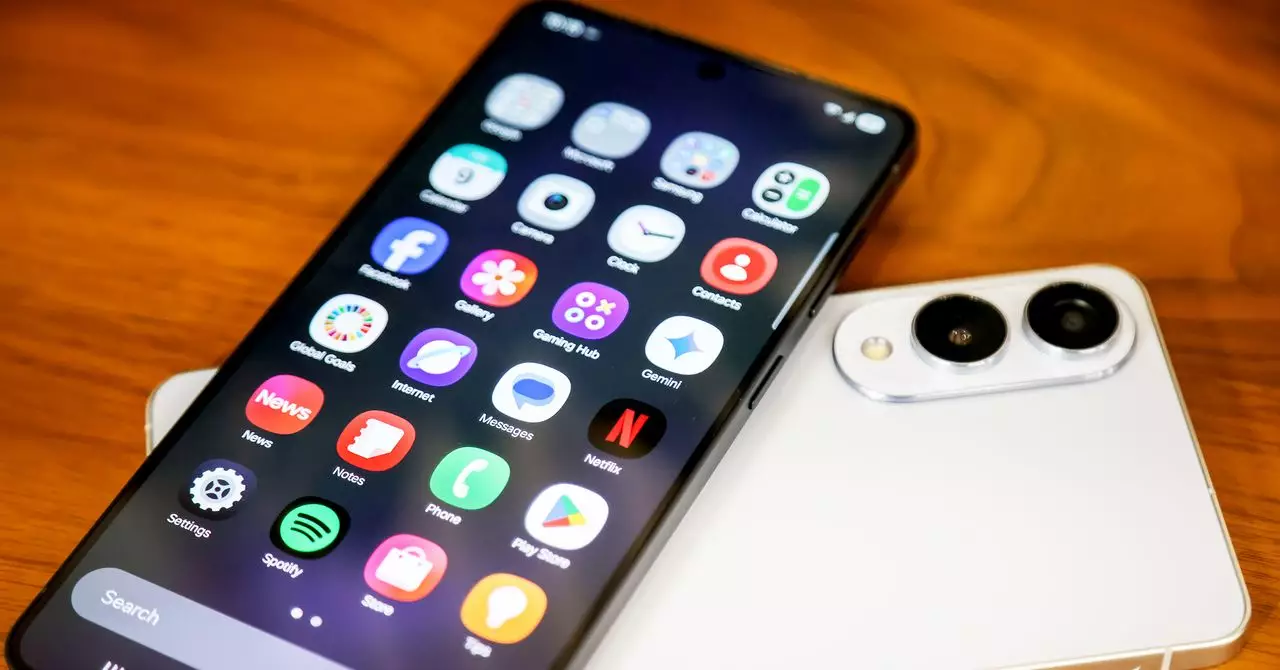
Samsung’s integration of artificial intelligence within its Galaxy lineup promises a seamlessly enhanced user experience, from effortless photo editing to personalized health insights. The company assures users that their Galaxy AI data is securely encrypted, emphasizing a commitment to privacy. Yet, this reassurance must be approached with a healthy dose of skepticism. Absolute security remains an elusive goal; no system can guarantee complete protection against breaches or unauthorized access. Despite encryption and privacy policies, users should be vigilant about the potential vulnerabilities inherent in storing and processing personal data. The complexity of AI systems, especially when they involve cloud interactions, exposes users to sophisticated security risks, including data leaks and targeted breaches. Thus, claiming that all data remains safe adorns a reassuring surface but doesn’t fully capture the intricacies and persistent threats of digital security.
Empowerment or Overreach? Navigating AI Control Options
Samsung’s user controls appear transparent and flexible, allowing users to disable AI features selectively or altogether. This is a vital feature, dually empowering users and highlighting Samsung’s recognition of user autonomy. However, the presence of these toggles also raises questions about how much users truly understand their data usage. The detailed options—ranging from transcription to generative editing—highlight the breadth of AI capabilities embedded within the device. But the complexity can be intimidating; the average user may not fully grasp which features collect data or how that data is processed. Furthermore, the nuance of on-device versus cloud processing adds another layer of confusion. While on-device AI processing signifies a commitment to privacy, Samsung admits some features still require internet access, a design choice that subtly increases data transmission risks. Users must navigate a labyrinth of options, and without sufficient understanding, they may inadvertently leave sensitive data exposed or enable features they do not fully comprehend.
The Future of Privacy and Control in a Furiously Competitive Market
Samsung’s stance—a claim of security, combined with a user-controlled environment—reflects broader industry tensions. Companies strive to deliver increasingly sophisticated AI tools that offer genuine utility but not without raising concerns about privacy erosion and data commodification. Samsung’s selective transparency about which features operate on-device indicates a gap—lack of detailed disclosures about data flow and security architecture feeds suspicion. As AI becomes more integrated into everyday devices, users must be critical consumers of these technologies. Trust in corporate promises is fragile, especially when technical details remain opaque. Furthermore, the hardware powering these AI features, like Snapdragon 8 Elite chips, symbolizes the hardware-software nexus—powerful enough for on-device computation but still reliant on cloud support for more advanced functionalities. This ambivalence underscores a critical reality: the future of AI in consumer tech hinges not only on technological advancements but also on the moral and ethical oversight that governs data use and privacy.
In an era where digital assistance is becoming ubiquitous, skepticism and vigilance are imperative. Consumers should question the extent of data sharing and remain proactive in managing their privacy settings. Samsung may offer tools to control these features, but understanding their implications requires a deep engagement with complex privacy landscapes, which many users are ill-equipped to navigate confidently. As AI continues to evolve, the challenge remains: can user empowerment keep pace with the relentless drive for more intelligent, interconnected devices? Only time—and a continued critical eye—will tell.
Leave a Reply