
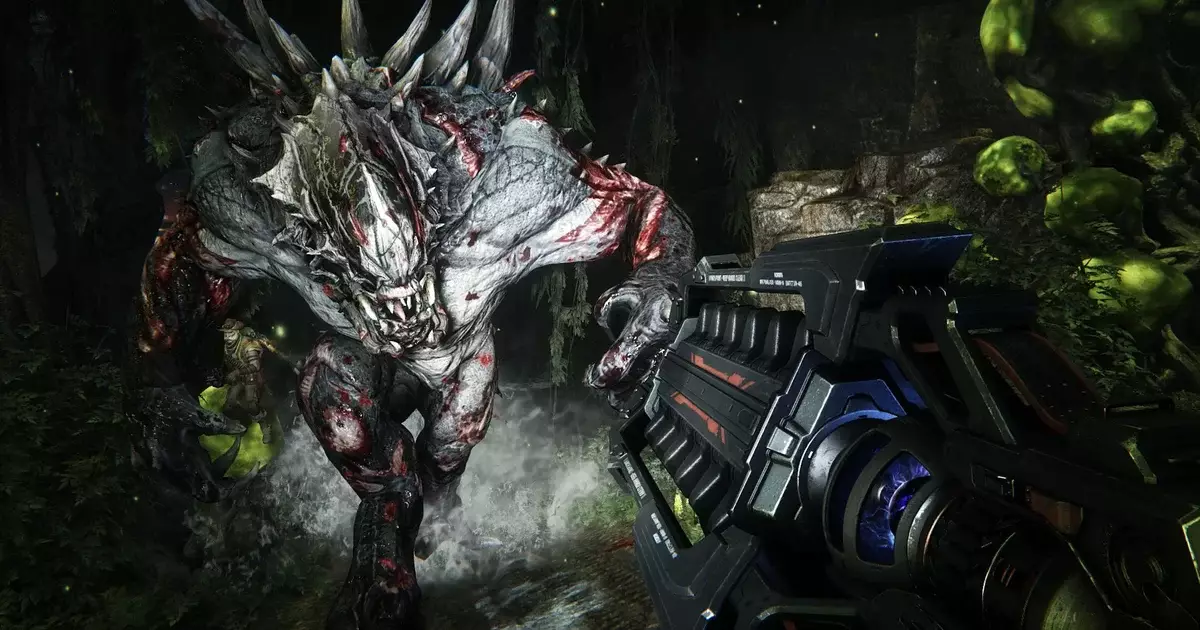
Evolve was conceived as a bold experiment in asymmetrical multiplayer gaming that promised thrill, strategy, and innovation. At its core, it offered a dynamic tug-of-war—a single, powerful monster against four skilled hunters—each equipped with unique tools and abilities. The excitement lay in the unpredictability of encounters and the adrenaline rush of evolving the monster to dominate or evade, creating a tense, guerrilla-style gameplay experience. In many ways, Evolve represented the kind of fresh gameplay paradigm that could have reshaped multiplayer shooters.
Yet beneath this promising facade lay systemic flaws that ultimately undermined its potential. The game was shackled by a grind-heavy progression system that frustrated players attempting to unlock content. Instead of focusing on creative gameplay and player engagement, the developers seemed to prioritize monetization strategies such as microtransactions and paid DLC, fostering a toxic environment of nickel-and-diming. This approach alienated many of its core audience and cast a long shadow over what could have been a genre-defining title. Evolve’s downfall was not inevitable, but its failure to balance monetization with meaningful player experience was a costly mistake.
The Dream of a Sequel That Almost Was
Despite the commercial and critical missteps, the creative team behind Evolve had ambitions for its revival. A glimpse into what might have been emerges from concept art—an artifact of a canceled sequel, Evolve 2—that hints at an expanded, more narrative-driven approach. Contrary to the original’s emphasis on sandbox and emergent gameplay, these early ideas suggest a shift toward structured missions and a more linear experience.
Images of sprawling asteroid mining stations and ominous installations evoke a darker, more atmospheric vision reminiscent of sci-fi horror classics like Dead Space. That sense of forbidding architecture and grotesque alien ecosystems hints at a richer lore and gameplay depth—an opportunity to elevate the universe beyond the asymmetrical combat formula. Had these ideas come to fruition, the sequel could have balanced innovative mechanics with engaging storylines, moving away from the grind and towards vivid, cohesive environments.
However, development ceased within months, and in its wake, the project was shelved. It’s a tragic “what if,” a testament to the studio’s lost opportunity to craft a more compelling, mature experience that could have earned a dedicated fanbase beyond the initial players.
Why a True Revival Might Still Be Possible
The cancellation of Evolve 2 isn’t necessarily the end of the story. The game industry is perpetually cyclical, often revisiting abandoned ideas to breathe new life into old franchises. Given the cultural cachet of Evolve’s core concept—a tense predator vs. prey mechanic—it’s conceivable that future developers or publishers might be inspired to revisit this universe, especially as multiplayer dynamics evolve.
Moreover, the game’s design philosophy has echoes in other successful titles—like Dead by Daylight or Predator: Hunting Grounds—proof that the asymmetric concept retains relevance. The fact that communities have kept Evolve alive through unofficial servers and patches speaks volumes about its enduring appeal. This grassroots passion indicates that with the right approach, a resurrection rooted in player-friendly design and innovative mechanics is not outside the realm of possibility.
The recent acquisition of Turtle Rock Studios by Tencent adds an intriguing layer. While their next project remains shrouded in mystery, financial backing and strategic support could enable them to revisit past ideas or develop new experiences inspired by Evolve’s strengths. Sometimes, industry giants see the value in nurturing cult classics instead of abandoning them completely.
The Broader Lesson: Balancing Innovation with Player-Centric Design
Evolve’s story underscores a vital lesson for game developers: innovation alone doesn’t guarantee success. Instead, long-term sustainability hinges on understanding how game design impacts communities. Pumping content through microtransactions and DLC may boost short-term revenue, but at what cost? A fractured community, negative reputation, and ultimately, a dead game are often the consequences of neglecting core player engagement.
Nevertheless, missed opportunities can breed future success—if lessons are learned. Turtle Rock’s journey from Evolve’s cumbersome monetization model to their subsequent projects suggests an evolution in thinking. They experimented with different models to avoid the pitfalls of their first major release, which could serve as a blueprint for future reimaginings of Evolve or similar concepts.
Ultimately, Evolve’s universe remains a tantalizing playground—a canvas of creative potential waiting for a developer willing to prioritize genuine gameplay experience over monetization. Whether through a faithful remake, a spiritual successor, or an entirely new IP inspired by its core mechanics, the future of asymmetrical multiplayer could still be bright. The question is: Are developers willing to learn from the past and truly listen to the passionate communities that still dream of what could have been?
Leave a Reply