
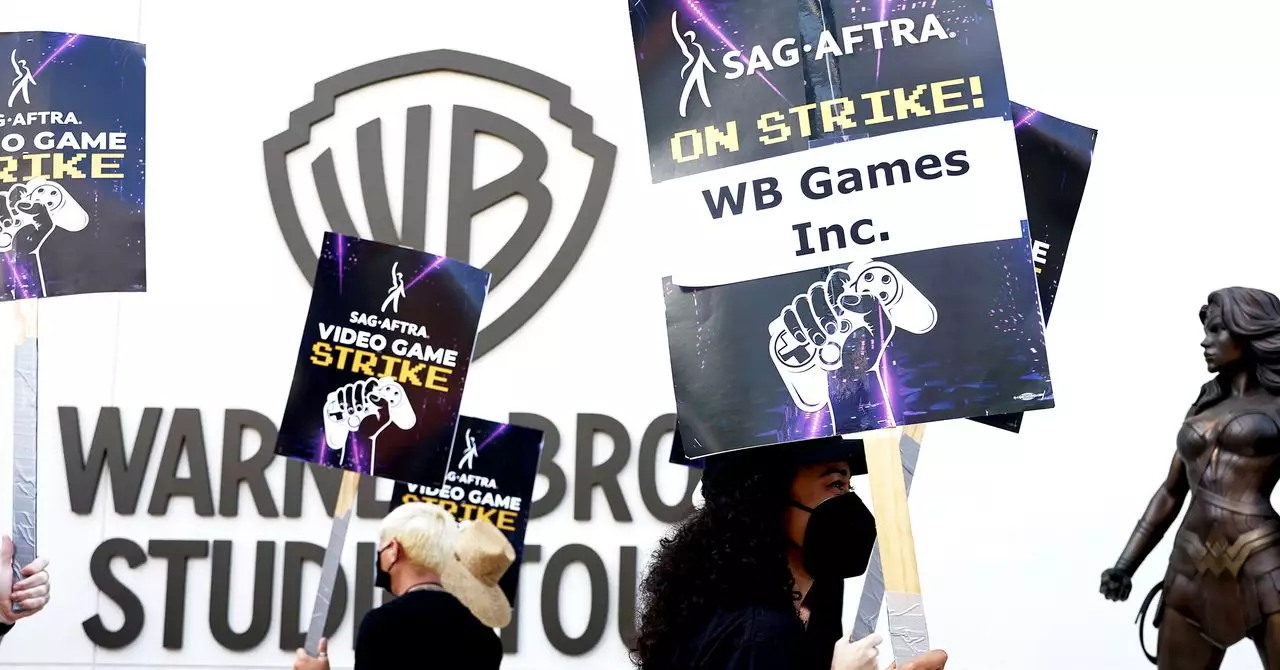
The recent ratification of a groundbreaking contract by SAG-AFTRA signifies much more than just a seasonal labor victory; it marks an assertive step forward in establishing ethical boundaries within the rapidly evolving world of digital entertainment. After nearly a year of tense negotiations, the union’s decisive 95 percent approval underscores a collective commitment to safeguarding performers’ rights in an era increasingly dominated by artificial intelligence. This union triumph is a testament to the power of strategic resistance and underscores the importance of proactively shaping the industry’s future rather than passively adapting to disruptive technological shifts.
This contract isn’t merely about pay hikes or working conditions; it is an assertion of agency in a medium where control often shifts dangerously toward corporations wielding AI as a cost-cutting tool. The inclusion of provisions that require performance consent and disclosure before AI replication ensures performers maintain a necessary shield against unwarranted exploitation. These measures stand as a blueprint for how industries historically driven by creative labor can uphold human dignity and artistic integrity amidst the relentless tide of automation. The union’s victory demonstrates that when industry constituents unite and assert their power, they can forge policies that balance innovation with ethics, setting a precedent that transcends the gaming industry.
Artificial Intelligence: Threat or Catalyst for Creative Empowerment?
The specter of AI’s encroachment has cast a long shadow over creative fields—including animation, voice acting, and digital performance—bringing to light profound questions about ownership, authenticity, and the future of human artistry. Critics might argue that the contract’s safeguards are merely delaying inevitable automation, but in truth, they represent a strategic defensive posture that prioritizes human agency. By stipulating explicit consent and transparency, performers retain control not only over their current work but also over potential uses of their likeness and voice in the digital realm.
Furthermore, the contract’s provisions acquiring the right for performers to suspend AI use during disputes exemplify a forward-thinking approach to ongoing power imbalances. This proactive stance indicates a belief that AI, while a powerful tool, must operate within boundaries that respect artistic integrity and individual rights. As AI-generated characters like Darth Vader demonstrated, digital replicas can sometimes cause unintended harm or damage the brand if not properly managed. The musicianship, emotional depth, and nuanced performances of human actors are irreplaceable assets that AI, at its current stage, cannot authentically replicate. This contract signifies an understanding that human creativity remains the soul of gaming; AI should augment, not eliminate, that core.
Charting a Humane Path in a Digital Era
The union’s negotiations reveal a vital underlying principle: technology must serve humanity, not override it. Allowing performers to control the use of their likenesses and voices—especially posthumously—demonstrates a respect for legacy and artistic agency. When SAG-AFTRA protected the rights of deceased artists like James Earl Jones, it signaled a recognition that digital resurrection and AI recreation should be held to ethical standards reminiscent of consent in the physical realm.
This approach fosters an environment where innovation aligns with moral responsibility, reinforcing that advancements like AI are tools to elevate human artistry rather than diminish it. The willingness to confront emerging challenges head-on, rather than dismiss them as unstoppable forces, exemplifies a proactive leadership style that should serve as a benchmark across creative industries. These strides encourage a future where creators are empowered to harness AI ethically, transforming it from a threat into an empowering technological ally—if and only if safeguards are precisely and diligently enforced.
In essence, this contract embodies a resilient assertion of performer rights amid technological upheaval. It underscores the necessity—and possibility—of establishing boundaries that nurture creativity without sacrificing the human touch. As the digital landscape continues to evolve, such pioneering efforts will be instrumental in shaping a future where innovation is balanced with respect, fairness, and artistic integrity.
Leave a Reply