
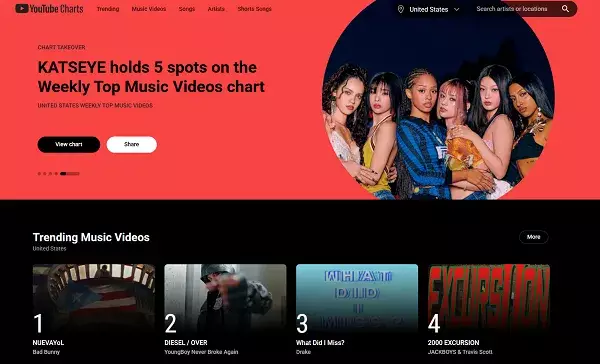
YouTube’s latest strategic overhaul underscores a profound evolution in digital content discovery. Historically, the platform leaned heavily on its “Trending” sections to spotlight viral videos and shape audience attention. However, as user behaviors grow increasingly sophisticated and fragmented, YouTube recognizes that broad, monolithic trend lists no longer serve the diverse, niche-driven communities that thrive on its platform. By phasing out the traditional “Trending” features and replacing them with category-specific charts, YouTube signals a clear intent: to deepen engagement within specialized content spheres and embrace a more granular approach to what constitutes popular content.
This move isn’t merely cosmetic; it reflects a fundamental understanding of modern digital consumption. Before, a single trending list might have encompassed a broad spectrum of viral videos, but today, the cultural tapestry is woven from countless micro-trends and fandoms. As a result, a one-size-fits-all “Trending” page feels increasingly outdated. The revamped model aligns with how audiences discover content—through recommendation algorithms tailored to individual interests, search suggestions, Shorts, and community interactions—rather than via a central trending hub. This shift indicates YouTube’s acknowledgment that personalized, niche-focused discovery delivers a richer, more relevant experience for users.
Implications for creators and viewers
For content creators, this change presents both challenges and opportunities. On one hand, the removal of broad trending lists might seem to diminish the visibility of viral moments in the traditional sense. Yet, by spotlighting categories like Trending Music Videos, Top Podcasts, and Movie Trailers, YouTube directs users toward verticals where creators can cultivate dedicated followings. Niche communities—gaming, beauty, education—stand to benefit from more focused exposure within their specific domains rather than competing for fleeting viral status in a general trending feed.
Viewers, on the other hand, are encouraged to actively seek out content within their preferred categories. The new system appears designed to foster a deeper, more engaged community experience. Instead of fleeting exposure through trending lists, users will discover content aligned with their interests, which could translate to higher satisfaction and longer watch times. However, this raises questions about whether spontaneous, viral discoveries—those “surprise hits” that often transcend niche boundaries—might become less prominent and more difficult to stumble upon.
Balancing personalization with discovery
One of the most intriguing facets of YouTube’s change is its reliance on personalized recommendations to sustain content discovery. Despite removing the traditional trending modules, the platform insists it will continue delivering a broad array of popular content through its algorithmic suggestions. This is noteworthy because it hints at an underlying conviction: that individualized recommendation systems are more effective at engaging users than static trend lists.
Yet, this approach’s success hinges on YouTube’s algorithm maintaining its delicate balance—promoting familiar, relevant content without creating echo chambers. The platform’s decision to retain explore sections and feeds on creator channels signals an understanding that discovery needn’t be sacrificed for innovation. Instead, it’s about integrating both personalized algorithms and curated category charts to craft a multifaceted ecosystem that stimulates long-term engagement.
While some might perceive this as a dilution of the traditional “viral” culture, it might actually foster a healthier, more sustainable content environment. A shift toward niche, category-driven discovery could reduce the transient spike-and-crash nature of virality and promote more meaningful engagement. The focus on verticals also encourages creators to hone in on their specialized audiences, fostering community loyalty rather than fleeting hits.
Potential impacts on the platform’s ecosystem
This strategic pivot has broad implications for the platform’s ecosystem. With trending content no longer front and center, the way that success and visibility are measured could shift significantly. Creators may need to adapt their content strategies, emphasizing category-specific relevance and engagement rather than chasing viral trends.
Additionally, this change could influence user behavior on a macro level. If viewers are nudged toward niche categories and personalized recommendations, the platform might experience a more balanced distribution of attention across diverse content types. This could, in turn, encourage the growth of smaller channels and specialized communities, enriching the overall YouTube ecosystem.
Conversely, some stakeholders may worry about reduced exposure opportunities for content that relies heavily on viral trend status. It remains to be seen whether the new charts will compensate for this shift and whether they can maintain the same level of excitement and surprise that spontaneous trending lists once provided.
In essence, YouTube’s bold reconfiguration underscores a strategic bet: that the future of content discovery lies in relevance, personalization, and depth rather than broad strokes. Whether this will solidify YouTube’s dominance as a platform for diverse, community-driven content or inadvertently stifle the spontaneous discovery that has historically driven virality remains an open question. Yet, what is clear is that this change reflects a deeper understanding of today’s digital culture—a move towards a more inclusive, focused, and sustainable content landscape.
Leave a Reply