
In the competitive world of technology, innovation often determines market dominance, yet the lines between collaboration, competition, and misconduct are increasingly blurred. Major corporations like Apple are now wielding lawsuits as strategic tools to protect their intellectual property (IP), signaling a new era where legal battles address the very core of industry advancement. This ongoing saga reveals more than individual misconduct; it exposes the fragility of corporate trust and the desperate measures companies undertake to defend their innovations. Such legal confrontations underscore the reality that in modern tech, the battle for groundbreaking ideas is fought not only in labs but also in courtrooms.
The Anatomy of a Corporate Espionage Allegation
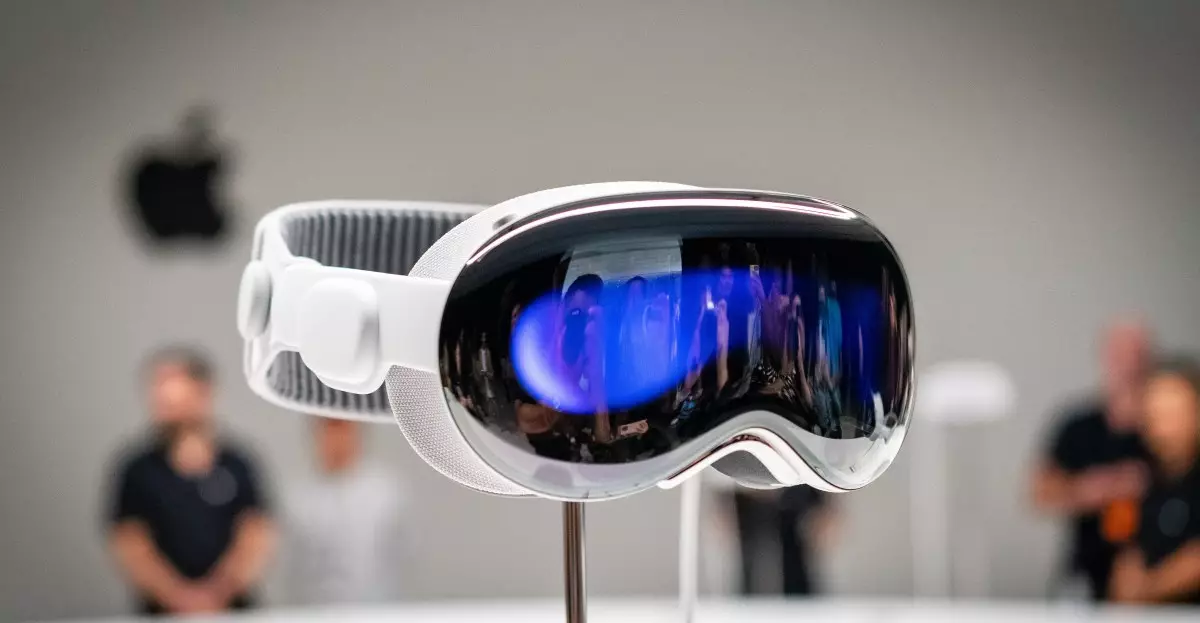
In this particular case, Apple accuses former employee Di Liu of secretly downloading thousands of confidential documents related to the Vision Pro headset before leaving for a rival tech giant, Snap. This scenario spotlights the ethical and legal gray areas in employee mobility within high-stakes industries. The core issue revolves around the alleged theft of proprietary data, which includes crucial design information, research files, and strategic development insights, all stored on personal cloud accounts—a clear breach of confidentiality.
What makes this situation alarming is the calculated manner in which Liu is accused of concealing his activities. Apple reports that Liu selectively copied and sometimes renamed files post-transfer, attempting to obfuscate his intentions and prevent detection. Such deliberate concealment demonstrates an understanding of both the value of the stolen information and the probable consequences should he be caught. This raises vital questions about employee transparency, monitoring practices, and the safeguards companies have in place to prevent IP theft.
Power Dynamics and Corporate Espionage: The Unseen Cost
This legal case reveals the darker side of corporate innovation—one where talented engineers, once viewed as assets, can become liabilities if misused. Apple’s decision to pursue legal action highlights its commitment to safeguarding its competitive edge but also draws attention to the vulnerability companies face when employees leave. The incident suggests that the freelance boundary in tech employment is thinner than ever, with companies constantly vigilant against leaks that could jeopardize years of research.
Furthermore, Apple’s inability to precisely quantify what was downloaded underscores the difficulty in detecting and preventing sophisticated IP theft. Still, the company implies that Liu’s actions hint at an intent to transfer strategic details that could potentially benefit Snap’s development efforts—particularly surrounding their Spectacles AR devices. The situation demonstrates that IP theft can cause ripples far beyond a single company, influencing competitive positioning and industry innovation trajectories.
Implications for the Future of Employee Mobility and Corporate Integrity
As the legal proceedings unfold, this case prompts broader reflections on how corporations manage employee transitions. While talent mobility is a cornerstone of innovation, the potential for misuse necessitates stricter internal controls and policies. Employers may need to implement more comprehensive monitoring systems, enforce robust confidentiality agreements, and foster a corporate culture that emphasizes ethical conduct rather than solely relying on legal deterrents.
For employees, this case is a stark reminder that their professional integrity is under scrutiny, especially when handling sensitive information. The temptation to leverage proprietary insights for personal or competitive gain carries hefty legal risks and reputational damage. The situation underscores the importance of transparent communication, proper onboarding, and clear boundaries regarding confidential data.
The Broader Industry Context: Innovation vs. Trust
This incident is not isolated but part of a larger pattern where the race for technological supremacy often leads to contentious legal disputes. As companies pour billions into R&D, the safeguarding of their IP becomes critically intertwined with business survival. Litigation is increasingly viewed not just as a defensive measure but as a strategic move to set precedents and deter future infringements.
However, the recurring pattern of litigation also reflects a tension within the industry: how to balance aggressive protection of IP with fostering an open, innovative environment. Stricter regulations and more transparent collaboration models might be the future, but for now, tech giants like Apple remain on high alert, ready to deploy legal strategies to defend their most valuable assets.
—
Ultimately, the clash over proprietary information exemplifies the high-stakes nature of innovation in the digital age. Companies must navigate the delicate line between collaboration and protection, while employees are under increasing pressure to uphold ethical standards. As these battles intensify, the industry must recognize that trust, transparency, and strategic safeguards are paramount—not only to prevent costly lawsuits but to sustain genuine progress.
Leave a Reply