
In a landscape dominated by rapidly obsolete devices and planned obsolescence, the Fairphone 6 emerges as a compelling alternative that champions longevity and sustainability. Unlike traditional flagship models that prioritize cutting-edge specs over repairability, Fairphone has consistently demonstrated that a device can be both environmentally responsible and user-friendly. This latest iteration continues that tradition, offering an unprecedented level of repairability—yet it also prompts a reevaluation of what we should genuinely value in modern smartphones.
What truly sets the Fairphone 6 apart is its resilience in independent testing. Earning a perfect score from iFixit for fifth consecutive time, this device signals a paradigm shift: repairability as a core feature rather than an afterthought. By design, it minimizes waste, reduces electronic debt, and empowers users to extend the lifespan of their devices meaningfully. This is not just an abstract ideal but a frontline strategy against the mounting e-waste crisis. The Fairphone 6’s design emphasizes that sustainability can intersect seamlessly with user convenience, challenging the industry to rethink its priorities.
Engineering Excellence and Practical Repairability
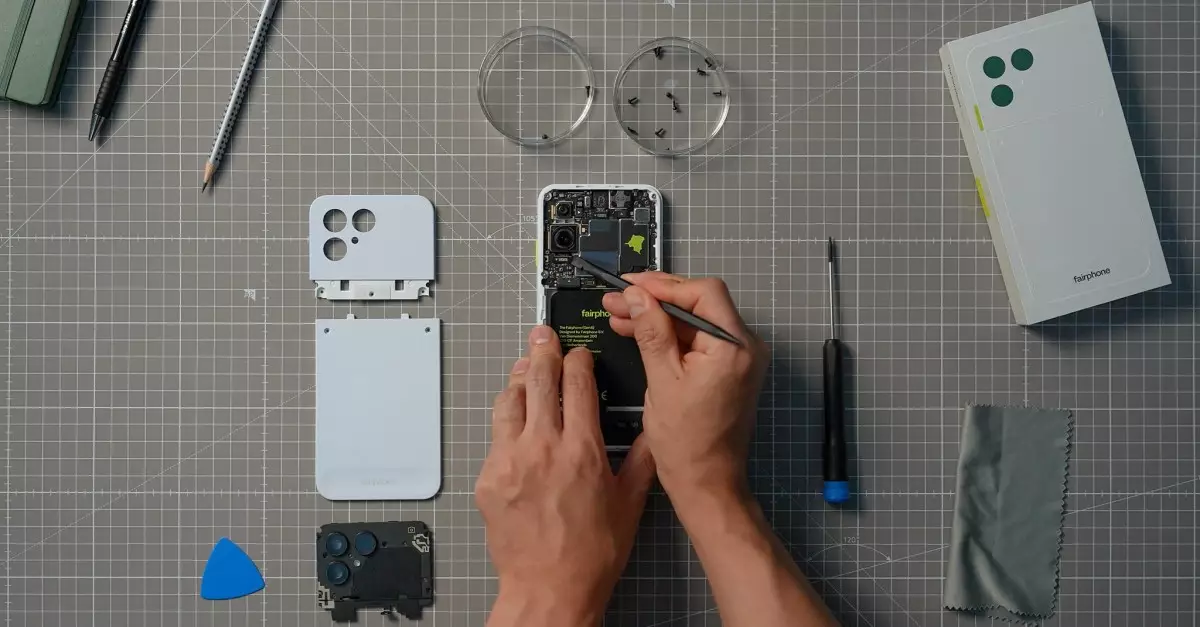
Despite recent changes that move away from tool-free battery replacements, the Fairphone 6 retains impressive repair credentials. Navigating internal components requires only a simple T5 Torx screwdriver—an affordable and widely available tool—highlighting the design’s user-centric approach. With just seven screws to access and replace the battery, getting from shutdown to a fully functional device takes mere minutes, a feat that underscores the practicality of the design. This focus on simplicity is not coincidental but a calculated effort to facilitate repairs both by users and third-party technicians.
Remarkably, the phone’s internal construction involves only minimal adhesive—limited to the mainboard—making most repairs accessible without cumbersome procedures. The company’s claim that almost everything from the USB-C port to individual camera sensors can be swapped out reinforces the message that repairability should be the norm, not the exception. The inclusion of modular backplates and swappable accessories deepens user customization, a feature reminiscent of earlier mobile innovations but often lost in the pursuit of sleeker, less serviceable devices.
Balancing Sustainability with Performance
While the environmental advantages of a modular, repairable device are irrefutable, the Fairphone 6 makes clear trade-offs in hardware specifications. Its dual rear cameras are modest when compared to flagship models from Apple or Samsung, and the Qualcomm Snapdragon 7S Gen 3 chipset doesn’t boast high-performance credentials. Even the USB port remains tethered to USB 2.0, reflecting a compromise in connectivity speed for the sake of simplicity and longevity.
Yet, the display tells a different story. The 6.3-inch LTPO OLED screen, capable of dynamic refresh rates between 10Hz and 120Hz, delivers a more lively and responsive experience than many of its peers. This blend of respectable performance with a focus on durability underscores a philosophical stance: prioritize sustainable design and user empowerment over fleeting hardware specs. In a way, the Fairphone 6 symbolizes a shift in smartphone aspirations—from chasing raw power to fostering a device ecosystem built on longevity, repairability, and long-term support.
Long-Term Support and Ethical Commitments
Fairphone’s pledge to provide seven years of Android OS updates and eight years of security patches is a pioneering move that should become standard across the industry. Coupled with a five-year warranty and a loyalty program that incentivizes repairs rather than replacements, the company fundamentally redefines the lifecycle of a smartphone. This approach doesn’t just extend the life of individual devices but also challenges consumer culture’s obsession with constant upgrades.
The device’s availability highlights an evolving market where ethical considerations influence purchasing decisions. Price differences—£599 in Europe versus $899 in the US, coupled with alternative operating systems—reflect regional preferences and priorities. The US variant, shipped with Murena’s privacy-focused OS, emphasizes a critical aspect often overlooked: privacy and user control. Fairphone’s commitment extends beyond hardware, advocating for a more conscientious, less wasteful tech industry.
Is Repairability Enough to Change Minds?
Despite its laudable attributes, the Fairphone 6’s hardware limitations are unlikely to captivate users seeking flagship performance or the latest features. However, that is precisely the point: it reframes the conversation, emphasizing repairability, sustainability, and ethical production over superficial specs. It challenges the notion that premium phones must inevitably be disposable or environmentally destructive. While some might see the modest camera setup or lower-end chipset as compromises, these are strategic choices aligned with its core mission.
Exclusively available in select regions and with a niche appeal, the Fairphone 6 might not topple giants like Apple and Samsung soon, but it ignites crucial conversations about the future of mobile technology. It stands as a testament that a smartphone can be green, repairable, and still serve functional needs. Whether this vision becomes mainstream remains uncertain, yet the Fairphone 6 unquestionably pushes the boundaries of what “premium” truly means, urging the entire industry to rethink priorities and responsibilities in an increasingly wasteful world.
Leave a Reply