
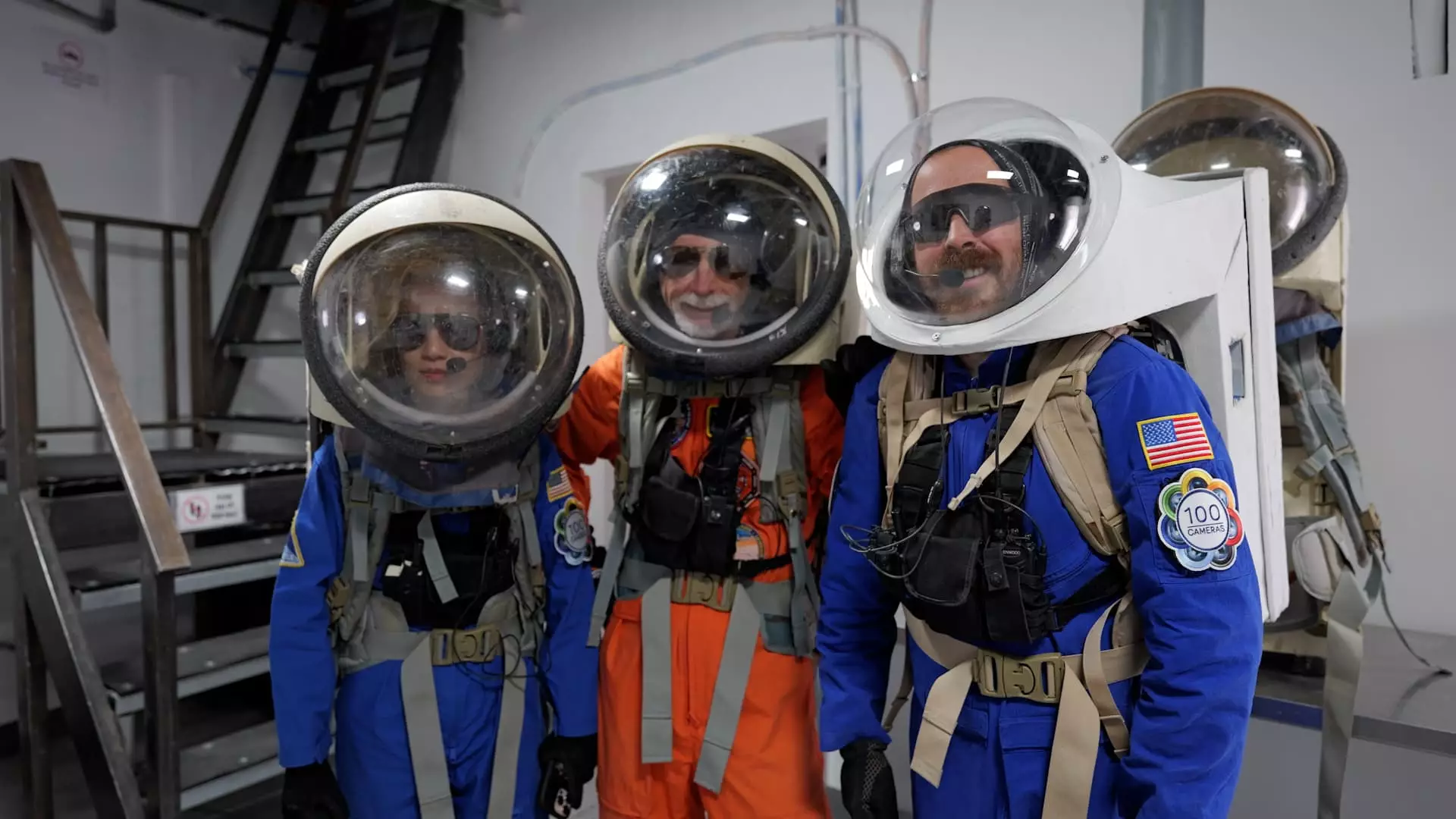
As humanity gazes upward, dreaming of establishing a foothold on Mars, the importance of preparatory steps becomes undeniable. These so-called analog missions, like those conducted at the Mars Desert Research Station (MDRS) in Utah, serve as the testing ground for innovations that will one day make interplanetary colonization possible. While it might seem primitive compared to the grandeur of space travel, these terrestrial simulations are crucial laboratories for honing human resilience, engineering solutions, and operational protocols in environments that mimic Martian terrain.
The environment at MDRS offers a remarkably authentic setting: rugged, remote, and isolated, echoing the isolating vastness of the Red Planet’s surface. Here, crews live out the routines and challenges astronauts will encounter during actual Mars missions, including extravehicular activities, resource management, and psychological endurance. The discipline, teamwork, and problem-solving skills developed in these simulations are invaluable, bearing directly on the success of future space endeavors. Without this groundwork, space agencies and private companies leap into the unknown with far less confidence and preparedness.
The Human Element: Testing Limitations and Building Resilience
One overlooked yet vital aspect of analog missions is their capacity to develop human resilience. Transporting humans to Mars involves not just technological marvels but also the ability to sustain mental health under extreme conditions—loneliness, confinement, and unpredictable hazards. Small crews, often with limited external contact, face intense psychological challenges, which these simulations are designed to mimic. Such tests expose vulnerabilities, revealing what holds up under prolonged stress and what needs improvement.
Steve Smith, a researcher involved in these missions, emphasizes that the daily rhythm, or “getting into a rhythm,” is an underestimated challenge. When the routines become habitual, mental fatigue can set in, and maintaining sharpness becomes critical. The engineers, scientists, and commanders operating in these environments develop adaptive behaviors, creating procedures that prioritize not just scientific output but the overall well-being of every crew member. The knowledge gained helps in designing habitats, communication systems, and emergency protocols that will be crucial on a distant planet.
The Future of Space Exploration: From Simulations to Reality
The enthusiasm around private ventures like SpaceX bolsters the significance of these terrestrial training grounds. Elon Musk’s ambitious timeline of reaching Mars by 2029 underscores a sense of urgency in perfecting every step of the journey. While technological advancements garner much attention, the human factor remains the linchpin of success. Analog missions like MDRS bridge the gap between theory and practice, ensuring that future astronauts are not only technically prepared but also emotionally resilient.
We should recognize that these simulations are not just training exercises—they are the testing ground for humanity’s audacious goal of becoming an interplanetary species. The experience gained here informs everything from rover operations to life support systems, and perhaps most importantly, it cultivates a mindset primed for exploration and adaptation. As the line between Earth-bound simulations and actual space missions blurs, one fact is clear: humanity’s journey to Mars will hinge on the lessons learned in these secluded deserts, far from the eyes of the public but vital to our collective future.
Leave a Reply