
Beneath the surface of the high-profile partnership between OpenAI and Microsoft lies a contractual nuance that has suddenly become a lightning rod for tension: a clause concerning the declaration of artificial general intelligence (AGI). What once might have sounded like speculative legal fine print has turned into a central battleground, exposing competing visions on control, profit, and the ethical trajectory of AI innovation.
The clause is deceptively simple in wording but profound in consequence. If OpenAI’s board decides that the company has reached AGI—defined as a “highly autonomous system that outperforms humans at most economically valuable work”—Microsoft’s privileged access to future OpenAI tech would be severely restricted. Given Microsoft’s multi-billion-dollar investment, this prospect upends expectations about what Microsoft can expect from one of its largest AI partners.
A Partnership Strained by Uncertainty and Ambition
At the heart of the fight are fundamentally different stakes. For OpenAI, this clause is leverage—an insurance policy preserving its autonomy and strategic upper hand as it edges closer to a potential breakthrough. For Microsoft, it is a risk that threatens to undermine the very purpose of its massive investment. The tension has escalated to the point where Microsoft is reportedly demanding the removal of the clause and is even contemplating forfeiting the deal, a move that could have enormous ripple effects across the AI industry.
This discord isn’t just about money; it exposes contrasting philosophies about how AGI should be controlled and commercialized. OpenAI, which began as a nonprofit with a mission to ensure that AGI benefits all of humanity, appears determined to maintain control over the technology’s future. Microsoft, meanwhile, sees AGI as a revolutionary asset that, if captured fully, would redefine its competitiveness in tech and cloud computing.
The Ambiguity in Definitions and the Complexity of AGI Classification
Another complicating factor is the lack of consensus even within OpenAI on what constitutes AGI. An internal paper titled “Five Levels of General AI Capabilities” attempted to systematically classify stages of AI progress. While not a scientific study, it highlighted the nuanced and gradated nature of AI development, which blurs the line of when AGI is officially achieved. It’s telling that this research sparked internal debate precisely because it could influence the timing and legitimacy of invoking the AGI clause.
This ambiguity feeds the strategic uncertainty. OpenAI’s board has the unilateral right to declare AGI’s arrival—but this declaration could devalue Microsoft’s investment or alter the flow of innovations. On the other hand, a 2023 addition to the contract introduces a “sufficient AGI” metric linked to profitability thresholds, which demands Microsoft’s involvement in any AGI declaration meeting that bar. The layered definitions suggest that both sides are hedging bets, preparing for scenarios where AGI could emerge incrementally and with varying commercial implications.
Power Dynamics Beyond the Contract
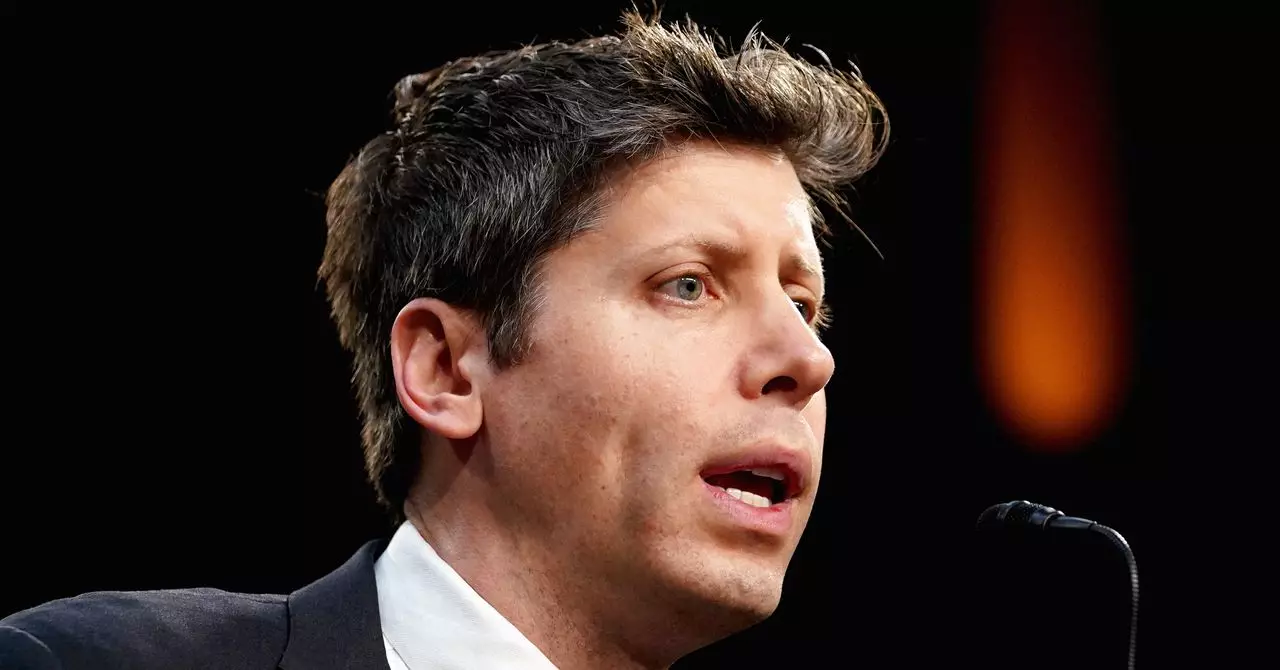
It’s essential to recognize that this disagreement is more than a matter of contractual wording—it’s a battle over who commands the future of AI intelligence. Microsoft, locked in competition with other tech behemoths, sees OpenAI’s technology as a cornerstone for innovation and market dominance. OpenAI, led by Sam Altman, is navigating between maintaining scientific credibility, ethical stewardship, and ensuring its survival and independence as a startup transformed into a tech powerhouse.
Reports that OpenAI has flirted with the idea of accusing Microsoft of anticompetitive behavior reveal the sometimes adversarial nature beneath their alliance. If true, this signals a growing mistrust and competing agendas. The situation is emblematic of the broader challenge facing AI development today: how to blend collaboration and fierce competition when the stakes encompass not just economic gains but potentially epoch-defining technological leaps.
The Underlying Questions That Shape AI’s Future
Ultimately, this contractual clash mirrors the most profound questions confronting AI today: Who decides when AGI is reached? Who benefits from it? And how does transparency coexist with commercial interests? OpenAI’s cautious, layered approach to AGI declarations illustrates the difficulty of defining an elusive milestone that could disrupt labor markets, geopolitics, and ethical norms.
Microsoft’s apprehension, bordering on brinkmanship, underscores that for even the most capable partners, trust, control, and clarity are fragile. With the AI landscape evolving at a breakneck pace, the outcome of this dispute may set precedents for how market power and intellectual property shape the trajectory of humanity’s most consequential technology.
In the end, this conflict shows that reaching AGI is not just a technical feat—it’s one of the toughest strategic gambles in corporate history. Both OpenAI and Microsoft are betting millions, reputations, and the trust of billions on how that leap will be managed. The future of AI hinges not just on algorithms, but on the careful navigation of power, law, and vision that underpins this profound partnership.
Leave a Reply