
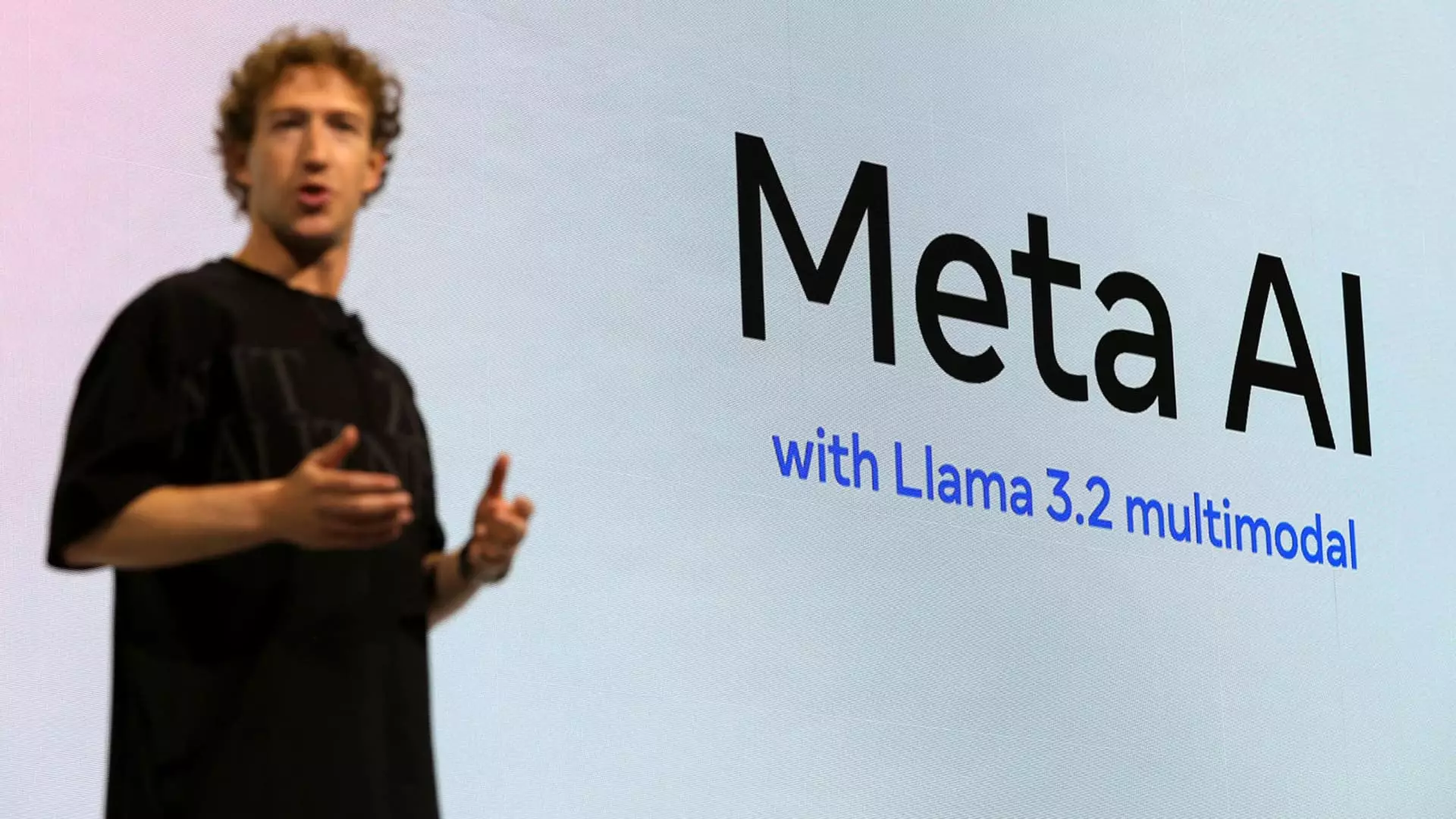
The intricate relationship between artificial intelligence and copyright law is at the forefront of a pivotal legal battle, as highlighted by the recent ruling involving Meta and a group of authors, including prominent figures like Sarah Silverman and Ta-Nehisi Coates. This case paints a vivid picture of the ongoing struggle to balance intellectual property rights with the burgeoning field of AI development. At the heart of the matter lies the contention surrounding the fair use doctrine, a legal provision designed to foster innovation while maintaining respect for original creations. Judge Vince Chhabria’s decision underscores the complexity of this issue, drawing attention to the transformative potential of AI and the nuanced interpretations of copyright laws that govern it.
Meta’s Victory and Its Implications
In a significant legal win for Meta, the U.S. District Judge ruled that the company’s methodology of using existing literature to train its large language model (LLM), Llama, falls under the fair use doctrine. This ruling carries substantial implications, particularly for technology companies leveraging vast repositories of textual data to refine their AI systems. Judge Chhabria emphasized that while it’s generally deemed illegal to copy copyrighted works, the plaintiffs failed to convincingly demonstrate that Meta’s practices substantially harmed the market for their books. This aspect of the ruling raises critical questions about the threshold for market harm in the context of transformative technologies.
The judge noted that the plaintiffs’ arguments, while valid on the surface, ultimately lacked the evidentiary weight necessary to convince the court of significant market detriment. Chhabria remarked that Meta effectively countered claims of market harm by asserting that the impact of their AI model could lead to broader societal benefits—essentially a net gain from enhancing productivity and fostering creativity through open-source technologies.
Challenges for Copyright Holders
The ruling also serves as a wake-up call for authors and creators. Although the judgment was favorable to Meta, it leaves the door ajar for future litigants. Chhabria’s assertion that this ruling only pertains to a specific case suggests that other authors may find new grounds to challenge Big Tech on similar fronts. As it stands, the complexities of copyright law intertwined with AI evolution pose significant challenges for creators who must now grapple with a landscape where their works are leveraged without their consent under the guise of fair use.
The hesitancy demonstrated by Judge Chhabria toward clamping down on AI practices underscores a deeper tension: how do we preserve the rights of creators in the name of innovation? There remains a palpable fear that if large tech companies continue to operate under looser interpretations of copyright laws, the economic prospects for authors could be jeopardized. The response from the group of authors—largely quiet after the ruling—highlights an unsettling sense of defeat but also an ongoing determination to find recourse.
The Broader Implications for AI Development
Amidst the legal intricacies, the ruling evokes discussions about the ethical dimensions of AI development. Meta’s defense emphasized that stifling access to copyrighted materials would hinder progress and innovation in the AI sector—an argument that seemed to resonate with the judge. Yet, the notion that technological advancement comes at the expense of creator rights is a contentious one. While advancements in AI promise to revolutionize industries and expand creative horizons, who ultimately pays the price for these innovations?
The ruling reinforces a narrative that the transformative nature of AI may frequently outpace traditional frameworks of understanding, urging a reevaluation of how legal systems can adapt to contemporary challenges. Precedents set by this case and others, such as the similar ruling concerning Anthropic’s AI model Claude, suggest a growing trend toward interpreting AI applications as transformative. However, the implications for copyright infringement looms large—especially if companies continue to sidestep financial responsibility for utilizing creators’ works.
Open Questions in the AI and Copyright Debate
As this legal narrative continues to unfold, it surfaces critical questions regarding the future intersection of creativity and technology. How can we develop AI responsibly while ensuring that creators are justly compensated for their work? Is there room for a new legal framework that reconciles the rates of innovation with the rights of authors? The complexity of these issues will no doubt inspire further discourse, litigation, and perhaps even legislative reforms as the boundaries between copyright and fair use continue to be tested.
Moving forward, the challenges lie not only in litigation but in the continued evolution of both AI technologies and the cultural perceptions of copyright. Both creators and corporations must navigate these waters thoughtfully, cognizant of the broader implications their actions will have on the landscape of creativity and innovation.
Leave a Reply