
In an age where online security breaches are rampant, Facebook’s recent introduction of passkeys is not just a step forward; it is a necessary evolution in the way we secure our accounts. As we navigate the digital landscape, the traditional reliance on passwords has often proven to be a double-edged sword. While they provide a basic layer of security, they also present vulnerabilities that can be easily exploited by cybercriminals. Enter passkeys—a more robust alternative that is both user-friendly and significantly more secure.
How Passkeys Work: Simplicity Meets Security
The core functionality of passkeys is rooted in simplicity. Users no longer need to struggle with the burden of remembering complex passwords. Instead, authentication is streamlined by utilizing biometric data such as fingerprints or facial recognition, or even a standard PIN. This direct integration with device security not only expedites the login process but also minimizes the risk of phishing attacks that plague everything from social media to banking apps. The FIDO Alliance’s pioneering work in developing these passkeys aligns with a growing consensus among cybersecurity experts: passwords are fading into obsolescence.
What makes this development even more compelling is that each passkey is unique to the user’s account, which acts as a powerful deterrent against password-related hacking tactics. Rather than using a single, static password that can be stolen or brute-forced, passkeys redefine the security landscape by adopting a more sophisticated and tailored approach.
Mobile-Centric Focus: Adoption and Limitations
Currently, passkey functionality on Facebook is limited to mobile devices, which presents a mixed bag of benefits and challenges. While the transition towards mobile-first solutions is commendable—reflecting how users increasingly engage with platforms through smartphones—it leaves desktop users at a disadvantage. They’ll still need to revert to traditional methods of authentication, indicating that this revolutionary technology has not yet reached full maturation.
Moreover, users adjusting to this new feature might face hurdles if they have to switch devices often or if they prefer accessing their accounts from desktops. While Facebook has assured users that they can continue using traditional passwords alongside passkeys, the hesitance to fully embrace this more secure method can stall its widespread adoption.
Future Innovations: Expanding the Ecosystem
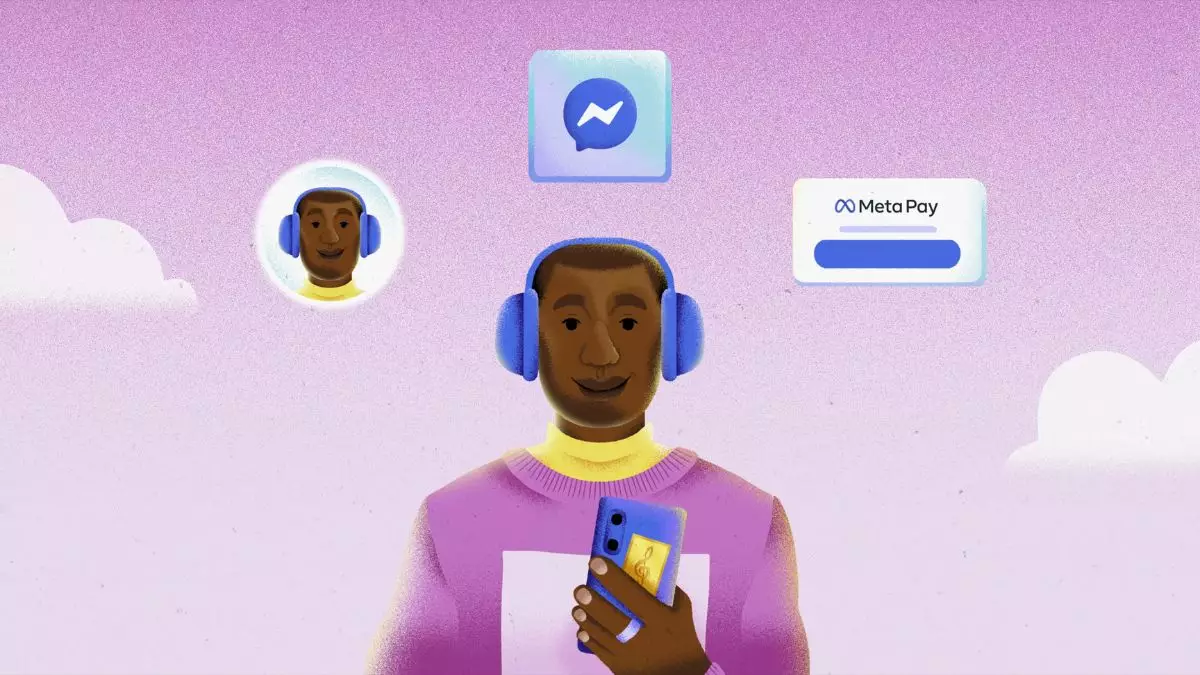
Looking ahead, Facebook’s plans to roll out passkeys on its Messenger platform are particularly noteworthy. This development will not only enhance the security of encrypted messages but also enable safer transactions through Meta Pay. With the ability to securely store payment information, Facebook is positioning itself to offer a more comprehensive and secure user experience.
The integration of passkeys into various facets of Facebook’s services indicates a clear trajectory towards a future where security is seamlessly embedded into the user experience. However, the limiting factors surrounding device compatibility and the hesitance to move away from passwords may slow the momentum of this positive change.
As we adapt to this evolution in authentication, one must wonder: will users fully embrace the benefits of passkeys, or will they cling to the familiar—however flawed—nature of traditional passwords as we move deeper into a digital-first future?
Leave a Reply