
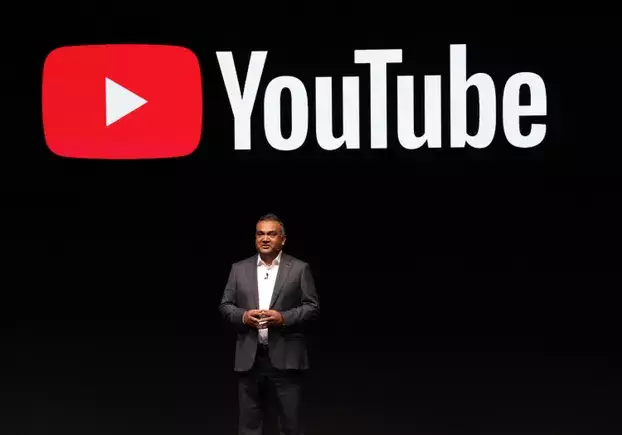
YouTube has emerged as a powerful platform over the last two decades, fundamentally transforming content creation and consumption worldwide. With its latest announcement at the Cannes Lions Festival, the site is set to push creative boundaries further than ever through the introduction of Google’s VEO generative AI tools. As the platform’s CEO, Neal Mohan, shared, this initiative aims to democratize access to creative resources by allowing creators of all levels to generate YouTube Shorts with the help of sophisticated artificial intelligence. However, this development raises an array of questions regarding the implications of mass-produced AI content on originality and creativity.
YouTube—a titan in the digital media landscape—celebrated its 20th anniversary while unveiling a series of promising insights. Among them, the growing average of 200 billion daily views for YouTube Shorts stands out as a testament to the format’s explosive popularity. With metrics like these, it seems the platform is embracing short-form content more than ever, leveraging AI tools to keep creators engaged and motivated. As we welcome this new technological era, the balancing act between encouraging creativity and managing the influx of AI-generated content becomes an essential discourse.
Introducing VEO: A Double-Edged Sword for Creators
The update regarding VEO 3’s capabilities indicates a significant leap forward in how creators can manipulate digital landscapes. From stylized backgrounds to compelling narratives, the ability to turn text-based inputs into visually engaging videos can open exciting avenues for content generation. While the potential for innovation is palpable, the reliance on such AI tools presents a critical dilemma: will creators lean too heavily on generative capabilities, leading to a wave of homogenized content? The reality is that, despite impressive technological advancements, the crux of any great video remains the underlying story. Merely having access to sophisticated tools does not automatically guarantee creativity or quality.
In February, when YouTube first introduced VEO 2 to a select group of creators, the responses varied widely. Some managed to craft incredible narratives, breathing life into digital canvases, while many others recycled uninspiring ideas, resulting in mediocrity. As Mohan himself implied, the expanded access to VEO 3 is likely to result in an increased volume of content—both remarkable and regrettable. Therefore, while the tools may empower a new wave of creators, they will also necessitate a discerning viewership, one astutely aware of the difference between authentic creativity and AI-generated noise.
The Changing Landscape of Video Consumption
Mohan’s presentation also underscored intriguing shifts in how audiences interact with YouTube content. The surge in views from Connected TV (CTV), along with the rising popularity of podcasts, indicates a fundamental change in consumer habits that content creators must acknowledge. Watching over a billion hours of YouTube daily on televisions signifies that audiences are veering toward a preference for longer, more substantive videos—an interesting juxtaposition to the Shorts format. This shift suggests that audience tastes are evolving, and creators need to adapt to capture an increasingly diverse demographic.
In this dynamic environment, understanding audience behavior is paramount for creators aiming to craft content that resonates. The culture and trends report released by YouTube illustrates that viewers are not confined to one style or length of content; rather, they appear to embrace an array of formats, from snippets to long-form pieces. This evolution creates a fertile ground for experimentation, allowing creators to explore varied storytelling forms—be it a gripping documentary, an engaging podcast, or a fun, quick-hit short.
Embracing Opportunities in a Competitive Ecosystem
Ultimately, YouTube appears poised to facilitate an ever-growing pool of creative opportunities for aspiring artists, influencers, and brands. In light of the rising trends highlighted at the Cannes festival, marketers and creators must seize the moment to reshape their content strategies for a more nuanced and saturated digital landscape. While it is inevitable that we will see an initial influx of unoriginal and lackluster AI-generated content, this period of adjustment will also usher in new talents who harness the tools at their disposal to push the envelope of creativity.
The pressing challenge remains striking a balance between leveraging AI tools for expedience and maintaining a commitment to authentic storytelling. As creators explore the potential of YouTube’s AI capabilities, the requirement for originality, storytelling ability, and creative insight remains non-negotiable. Those who can blend innovative technology with genuine artistic flair will undoubtedly make their mark in this reshaped realm of digital content creation.
Leave a Reply