
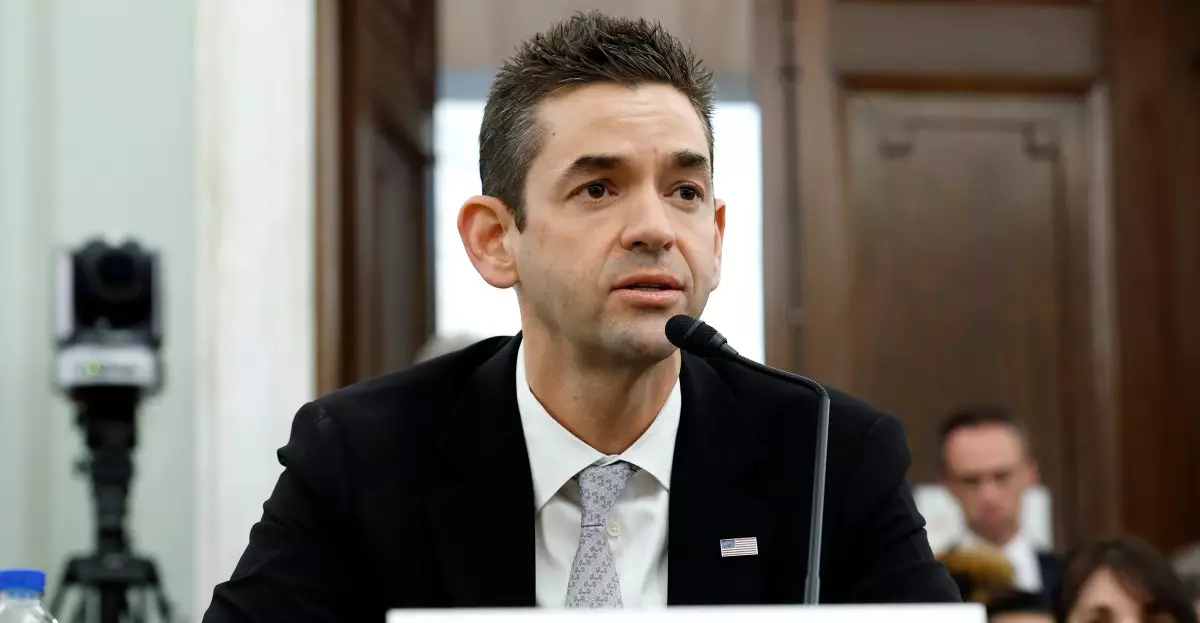
The recent uproar surrounding Jared Isaacman’s nomination as NASA Administrator is a vivid illustration of how political affiliations can shape significant leadership appointments. Isaacman, a billionaire and renowned figure in the space exploration community, found his prospective role snatched away from him primarily due to his previous donations to Democratic candidates. This development begs the question: Are we selecting leaders based on their qualifications or their political loyalties? The underlying political currents evident in this situation reflect a concerning trend within the structures of American governance, particularly in leadership roles that should ideally prioritize expertise over party allegiance.
Elon Musk and the SpaceX Connection
Isaacman’s association with SpaceX and its charismatic leader, Elon Musk, added another layer of complexity to the nomination. Their collaboration, highlighted by notable ventures such as the Inspiration4 mission, positioned Isaacman as a significant player in the private space industry. However, with Musk’s recent withdrawal from the White House advisory role, the political strings began to unravel. President Trump’s reported disapproval of Isaacman’s support for Democratic candidates showcases the precarious nature of appointments within the current political framework—a reality that undermines the spirit of bipartisan cooperation that is essential for navigating the vast and challenging realm of space exploration.
NASA’s Budget Crisis and Its Implications
While Isaacman’s nomination dominated the headlines, a more critical issue lurked beneath: NASA’s budget proposal, which suggested drastic cuts to funding and programs vital for its scientific endeavors. The proposal to reduce the budget by nearly 25% is alarming, particularly given that it slashes scientific funding by nearly half. Critics, including organizations like The Planetary Society, have denounced this move as catastrophic for NASA’s future, potentially stalling advancements and innovations that have previously garnered immense public support and investment.
The stark arrows pointing towards potential dysfunction within NASA’s leadership echo a broader narrative—a space agency that is currently staring down a budget that reflects an “extinction-level event” for scientific progress. Such drastic reductions not only jeopardize ongoing missions but threaten the very essence of exploration that NASA has championed over the decades. The optics of appointing a politically aligned leader in this fraught environment only serve to deepen the already significant challenges facing the agency.
Looking Ahead: Who Will Lead NASA?
As the Trump Administration prepares to announce a successor to Isaacman, there is a pressing need to question what qualities should define NASA’s leadership. Should the focus remain on political allegiance, or should we pivot back to a model that favors expertise driven by passion for exploration? The future of NASA hangs in the balance, as the American public craves bold and innovative leadership capable of navigating uncharted territories both in space and within our political landscape.
In a time of rapid technological advancement and urgent ecological challenges, the agency requires someone whose vision transcends partisan lines, prioritizing humanity’s advancement into the cosmos over fleeting political games. The choice of Isaacman’s successor will not only impact NASA’s direction but could either bridge the divides in our political discourse or deepen them. The stakes have never been higher, and the quest for a leader aligned with a more inclusive vision of space exploration is imperative now more than ever.
Leave a Reply