
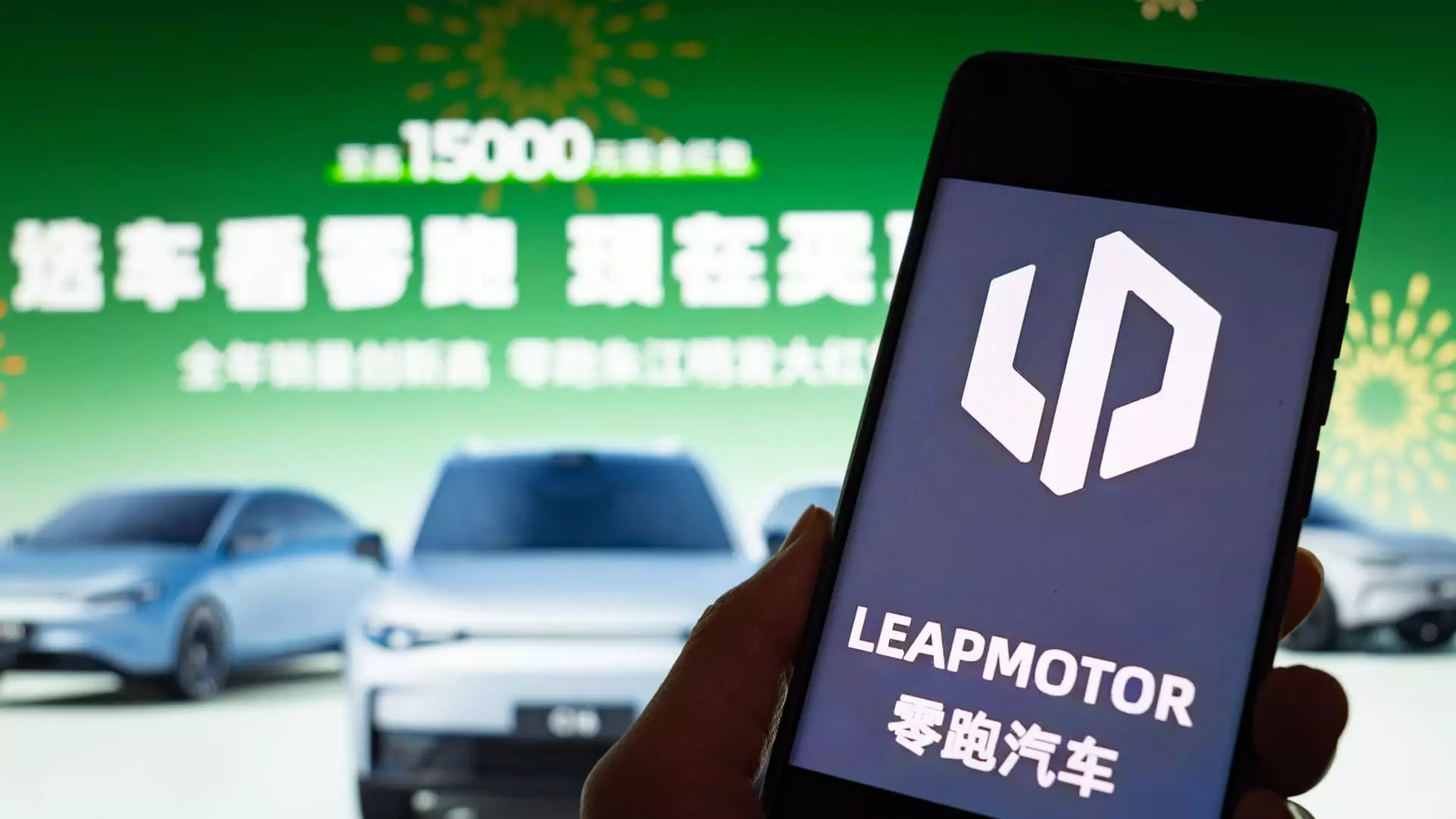
In May, China’s electric vehicle (EV) landscape witnessed a dramatic shift, with Leapmotor and Aito achieving unprecedented delivery milestones that underscore a burgeoning automotive revolution. Leapmotor, backed by Stellantis, soared to a remarkable 45,067 vehicle deliveries, marking an astounding 148% increase compared to the previous year. The launch of the revamped C10 model, a mid-sized SUV priced at 122,800 yuan (approximately $17,045), significantly contributed to this surge, showcasing consumer appetite for affordable yet advanced EV options.
Simultaneously, Aito celebrated its own triumph, reporting the delivery of 44,454 vehicles in May. Leveraging Huawei’s technological innovations, Aito’s lineup is evolving to include the recently unveiled Maextro S800, an ultra-luxury sedan that commands a hefty price tag of 708,000 yuan. This dual triumph of Leapmotor and Aito not only highlights their competitive flair but signifies a potential pivot within the EV market as players innovate to capture consumer interest.
Price Wars: A Double-Edged Sword
However, amidst this electrical success story, the shadow of an intensifying price war looms larger than ever. Industry titan BYD, a leader in Chinese EV manufacturing, reported sales of 376,930 cars in May. In an aggressive response to growing competition, BYD slashed prices on 22 of its models, the most striking cut being a 20% reduction on its Seagull hatchback, bringing prices down to 55,800 yuan. While this move is strategic for maintaining market dominance, it sparked a notable decline in stock values across various automakers, indicating investor apprehensions about the sustainability of such practices.
The gravity of these price wars raises echoes of the “Evergrande crisis,” warning of a potential market collapse reminiscent of last year’s turmoil. While BYD vehemently denied accusations related to pressuring dealers over cash flow, the implications of such fierce competition on pricing strategies could lead to significant shifts in company stability and consumer trust.
Struggling Contenders and Emerging Stars
Meanwhile, other auto manufacturers face challenges in keeping up with this breakneck pace. Xpeng, for instance, saw its May deliveries dip to 33,525 vehicles from the previous month’s 35,045, although it celebrated an impressive year-on-year growth of 230%. The launch of the Mona M03 Max and Plus models significantly contributed to the ongoing innovation narrative, offering new options for tech-savvy consumers.
In stark contrast, fellow EV manufacturers like Li Auto, Geely-owned Zeekr, and Nio report more modest growth figures. Li Auto’s delivery of 40,856 vehicles reflects a 16.7% year-on-year increase, while Zeekr’s 18,908 deliveries translate to a paltry 1.6% increase. Notably, Nio’s performance eroded by yielding 23,231 vehicles, a concerning decline coupled with a year-on-year growth of merely 13.1%.
As the market diversifies, the road ahead is fraught with both opportunities and risks. Companies are eyeing emerging markets in Africa and potentially expanding their footprints as tariffs imposed by the European Union and the U.S. pose barriers for a Western expansion. This strategic pivot could be vital for sustainability amid intensifying competition and market pressures.
The Future of the EV Revolution
The dynamic Chinese EV landscape illustrates a critical transitional phase, as established players and new entrants jostle for prominence in this rapidly evolving market. As consumer preferences shift towards high-performance, affordable electric vehicles, the pressure to innovate and reduce prices fuels a cycle of unprecedented growth and intense competition.
What remains clear is that for all burgeoning automakers, adaptability is essential. As Leapmotor and Aito forge ahead, continuously redefining consumer value, the question remains: can traditional giants like BYD maintain their lead, or will they become casualties in a rapidly changing pricing war? The next several months promise to be crucial in determining which companies will thrive, and which may falter, amidst the electrifying chaos of China’s EV revolution.
Leave a Reply