
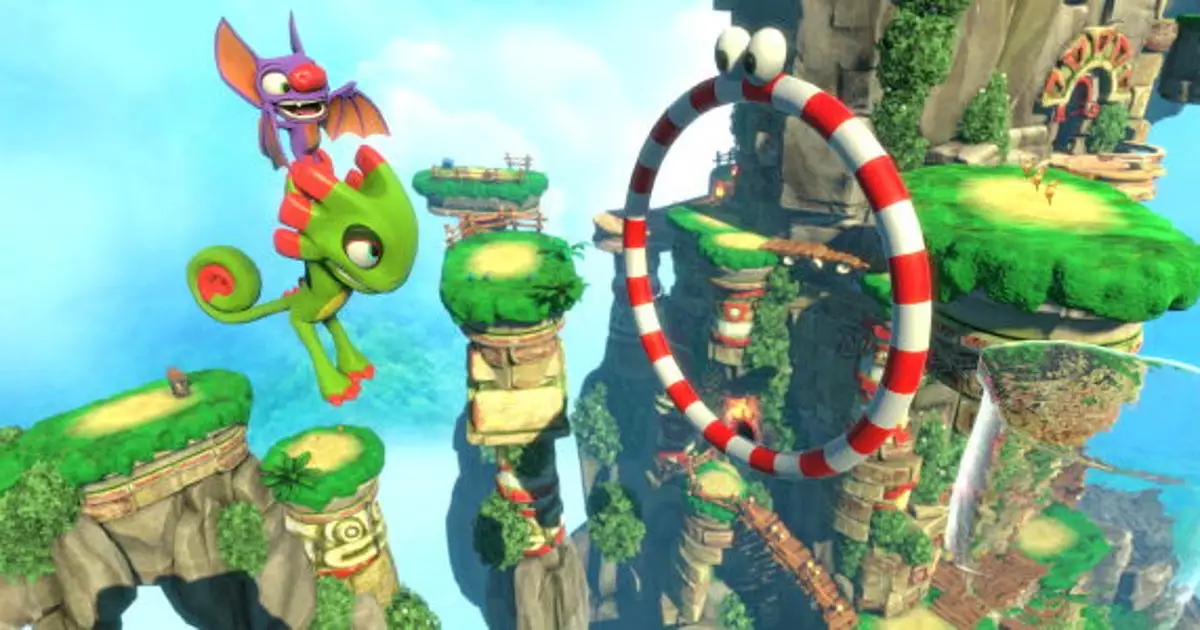
The recent news of layoffs at Playtonic Games, the developers behind the charming Yooka-Laylee franchise, sheds light on a broader crisis within the video game industry. As developers, designers, and creative minds find themselves abruptly out of work, their stories remind us that talent and dedication alone are not enough to shield one from the financial instability plaguing this sector. The assertion from Playtonic that we are witnessing “a period of profound change” reflects the uncertainty looming over studios as they strive to navigate the evolving business landscape. But what exactly are these changes, and how do they impact the very essence of game development?
The Puzzle of ‘Profound Changes’
The term “profound changes” is a vague yet pivotal phrase that encapsulates a multitude of challenges. It suggests that traditional paradigms of game creation and financing are being disrupted in ways that developers are still struggling to fully comprehend. Rising budgets could be one factor—game development has become an increasingly expensive business, with triple-A titles devouring resources at an alarming rate. Furthermore, the rise of “live-service” games, designed to provide ongoing revenue, has overshadowed those single-player experiences that studios like Playtonic champion. As audiences gravitate towards these persistent titles, how can a small studio compete in this deteriorating ecosystem?
The shifting tastes of gamers are another significant piece of this complex puzzle. The resurgence of platformers has seen a decline as new genres gain traction. Many players now gravitate toward multiplayer experiences or games rich in microtransactions over classic mascot-driven adventures. This pivot creates a daunting landscape for developers whose identities are intertwined with beloved franchise styles; established brands face the inertia of nostalgia against the tidal wave of new gaming trends. Playtonic’s struggle here is emblematic of a larger dilemma many studios confront in a market that is reluctant to embrace diversity.
Compassion Amidst the Crisis
Playtonic’s handling of the layoffs—while firm, compassionate, and mindful of the personal toll—is commendable in an industry often characterized by a cold detachment toward individual lives affected by corporate decisions. Statements emphasizing the talents of the departed staff and their invaluable contributions highlight an understanding that, despite their dismissal, the exiting members are not to be seen as failures. The transition from incremental changes to more drastic realignments forces companies to reconsider their structures, sometimes benefiting the few at the cost of the many.
Moreover, the outreach efforts by team members, like Playtonic’s brand manager Anni Valkama, to help former colleagues find new opportunities, serves as a poignant reminder of the community spirit that flourishes even in times of tribulation. Their initiative to highlight the skills of those affected speaks volumes about the bonds forged through collaborative creativity. Such displays are both a comfort and a stark reminder of what’s at stake in this volatile industry climate.
The Weight of Popularity and Investment
Playtonic’s trajectory has paralleled the wider gaming industry, yet the studio’s attempts to innovate alongside traditional models haven’t shielded them from turmoil. The explosive growth within the gaming sector during the pandemic saw many studios scaling up operations in hopes of meeting increased demand, only to face a market correction as players reintegrated into their pre-pandemic routines. This disconnect reflects a dangerous pattern—companies aggressively expanding during boom times only to downsize as enthusiasm wanes. In this cycle, the well-intentioned productions of smaller studios can become collateral damage to the industry’s excesses.
Investment dynamics, particularly Playtonic’s partnership with Tencent, add another layer to this narrative. While external capital can be advantageous, it also raises questions about creative control and the pressures of profitability that might come with such partnerships. More often than not, the pursuit of immediate financial returns overshadows the long-term vision of cultivating unique gaming experiences.
The events unfolding at Playtonic could serve as a critical juncture for many developers—whether they alter their practices, innovate within their creative domains, or forge new partnerships. As uncertain as the road ahead appears, one thing is clear: the heart and soul of gaming depend on embracing creativity in the face of adversity while balancing the delicate ecosystems of consumer demand and corporate innovation. The conversations that emerge from these layoffs could very well redefine the trajectory for smaller studios seeking to reclaim their place in this ever-evolving industry.
Leave a Reply