
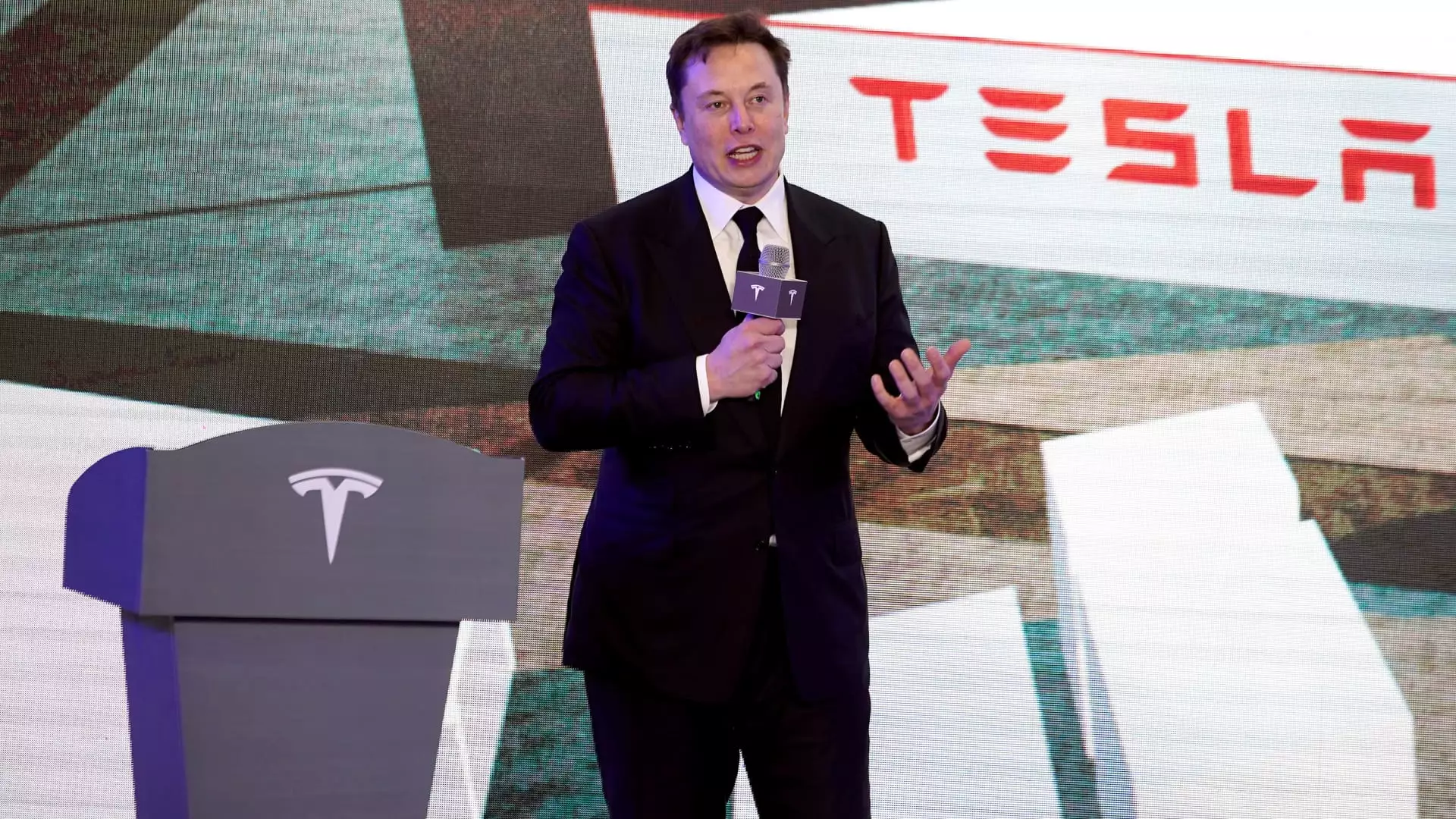
In a recently issued regulatory filing, Tesla, the innovative automaker under the helm of Elon Musk, announced a pivotal adjustment to its corporate bylaws that raises eyebrows across the investment community. Effective May 15, this new regulation restricts shareholders from launching legal actions against the company for alleged breaches of fiduciary duty from board members or executives unless they possess a minimum stake of 3% of Tesla’s issued shares. Given Tesla’s soaring market capitalization—now exceeding $1 trillion—this rule effectively places derivative litigation out of reach for most average investors.
By instituting this ownership threshold, Tesla has undeniably constructed a barrier that restricts shareholders’ ability to challenge corporate governance effectively. While one might argue that such changes protect company executives from frivolous lawsuits, it raises serious concerns about accountability. It begs the question: how far is too far when it comes to shielding corporate leaders from the shareholders whom they serve?
Legal Foundations: Texas Law Advantages Corporations
Tesla’s relocation of its corporate registration to Texas was not merely a matter of geographical preference; it was a strategic maneuver to leverage state laws favoring corporations. Ann Lipton, a seasoned attorney and law professor, elaborates that under Texas law, corporations can limit shareholder lawsuits, creating an environment that favors corporate interests. By setting a 3% ownership requirement, Tesla has effectively transformed a corporate governance issue into a financial barrier that could deter all but the wealthiest investors from challenging corporate actions.
To illustrate this, consider Tesla’s historical context. Previously registered in Delaware, a location viewed as more conducive to shareholder rights, Tesla was confronted with a lawsuit resulting in a chilling blow to Musk’s lavish compensation package. The ruling highlighted the board’s inadequacies in negotiating and managing executive compensation. Since the court found that Musk wielded control, the consequences of weak oversight became glaringly evident. The strategic shift signifies a departure from this era of exposure and public accountability.
Implications for Governance: Shutting Out Dissent
Many in the investor community are rightly concerned that such measures will cultivate complacency among the board and executive team. Reducing the litigation threat could lead to reckless management decisions or inadequate oversight, as the high threshold might embolden executives to act in their interests rather than those of shareholders. By creating such formidable barriers, Tesla appears to prioritize corporate discretion over shareholder vigilance.
Additionally, the implications of this change reach beyond just Tesla itself. It sets a precedent for other corporations considering circuitous routes to mitigate shareholder influence. We must ask, does this trend lead to a healthier corporate ecosystem or risk fostering an environment ripe for abuse? While some might hail it as a corporate victory for efficiency, the potential erosion of fiduciary accountability can have catastrophic repercussions, thwarting a fundamental pillar of corporate governance.
The Bigger Picture: A System in Flux
Tesla’s shift reflects broader tensions between corporate governance and shareholder rights, a discussion intensified by the rise of shareholder activism in recent years. The irony of a company lauded for its disruptive innovation adopting regressive governance practices raises questions about its alignment with the principles of transparency and ethical responsibility. As the corporate landscape evolves, we will likely witness additional shifts as companies assess their legal strategies against activist investors.
As shareholders become aware of the risks associated with their diminished legal recourse, the very motivations behind investing in transformative companies like Tesla may also shift. Investors who previously embraced the idea of holding corporate leadership accountable may hesitate to support practices perceived as authoritarian. If meaningful oversight trails off, how will the investment community respond? Trust in leadership must ultimately hinge upon perceptible accountability, and Tesla’s recent actions threaten that balance.
Through these developments, the delicate dance between innovation and governance will likely become even more pronounced. For Tesla, the challenge will be to navigate its mission toward sustainable practices while aligning its corporate ethos with the expectations of a concerned public. In doing so, it remains to be seen how the balance of power will ultimately evolve in the face of such legal protections now afforded to corporate executives.
Leave a Reply